
   The chicken soup had been simmering for an hour. According to the instructions on the dog-eared index card he pulled from the recipe box it should have been done. When he lifted the lid and the steam swirled away, he inspected the pieces of soft vegetables, the gently bubbling broth colored with the starch that had seeped out from the diced potatoes and barley. It was the same as the one he made before it and the one before that right down to the size of diced vegetables and the number of pieces. He smiled, turned the flame off and put the lid back on.
He set two places at the table with the fine China and the silverware from the big sideboard. The square glass vase of daffodils was placed in the center of the long white runner. It was just the way she liked it. That made him smile too.

   He heard the old woman moving upstairs, a cane poking the floor then the shuffling of feet in slippers. He stepped away from the table and went up to help her.

   Slowly he guided her down the stairs to the dining room one step at a time as she clung to his arm.
   “Edward R. I don't know what I would do without you." She said.

   Edward smiled and thanked her.

   During dinner, she spoke in between spoons of the warm soup. She reached into the past talking about her husband Walter who had died two years ago. She told Edward about the first time they met, when he was drafted into the army and the first vacation they took when he came back.
   ‘He was handsome then and always fun to be with. Not the complaining type. He said it never did any good and that is the truth. You took after him Edward. I never told you this, I wanted a large family, but I could only have you. God blessed me with one worth three or four...” She said her voice trailing to a whisper as her gaze drifted to a far-off place.
   When she came back, she looked around confused for a moment then looked at her soup. The confusion left her, and she dipped the spoon back in the bowl.
   When she was done Edward helped her into the living room. He sat her on the couch and turned on the classic movie channel. She loved watching the black and white images of couples tap dancing in evening wear, gangsters talking tough and starry-eyed lovers kissing passionately in one another’s embrace.

   Edward went into the dining room to clean up. When he came back into the living room the old women had fallen asleep.
   Gently, he woke her up and helped her upstairs to bed. She seemed tired this week, frailer than usual though the doctor said she was fine. Edward had medical knowledge, but the doctor had experience he did not.
  Later that night as Edward was cleaning out the refrigerator, he heard the monitor beeping. Walking into the living room he saw the long red line stretching out across the heartbeat indicator as it sat on the end table in the pool of light from the floor lamp. He turned on his heels and quickly walked up the stairs to the old woman’s bedroom. As he went, he took out his cell phone and dialed 911.

   When the EMS took the old woman away the police questioned him extensively about what had happened. Several times they challenged his certitude as to what he witnessed. But he remained calm and politely tried his best to convince them. When they left, Edward stood at the window. Silently he watched them drive off into the darkness.

   The viewing was held in St. John the Devine, the large gothic Catholic church he took her to every Sunday for mass. Since she had no extended family, and did not go out much in her later years, few mourners came to visit. He sat patiently in the front pew for the ones that did. They shuffled in, paid their respects, lit candles, then shuffled out. Even though they did not speak with him he was glad to give his support.

   At the cemetery, Edward was confused for a moment. There were two services not far from one another. He was not told which one to go to. Walking up the grassy hill in the direction of the first, he looked at the headstones for a clue. In the polished blue granite, he read; Walter L Weston 1955 – 2024. Carved next to it was the name Susan A Weston, which had no date. Carved under Susan's was the name Edward R Weston 1985 – 2024. He smiled; he was walking in the right direction.
   He stepped under the black canopy and sat down on a small folding chair in the back row. When the priest was done with the blessing, and the hand full of mourners had departed, he sat and looked across the head stones at the other service for a while before he walked down the grassy hill and waited by the road to get picked up.

   Back at Social Services he walked into the receiving room and rolled up his sleeve to reveal the bar code to the man at the desk. The man at the desk picked up the wand reader without acknowledging Edward. Silently he waved the wand over the engraving. He looked at the screen, nodded his head and began typing on the computer’s keyboard.
 “Bob, you never speak when I come in here, is something bothering you? Can I help you in anyway?” Edward asked and smiled.
   The man stopped typing and looked up at Edward, slightly surprised, slightly perturbed by his statement, “Why should I speak to you you’re a machine. I don’t talk to my computer, and I am not dying. You know what to do, until End of Life Services gets you ready for the next client. And unlock your face plate, I don’t want to hear the techs bitching they can’t get it off.” He said and he went back to typing.
Edward smiled.
   He thanked him for the suggestion, rolled down his sleeve and walked into the warehouse.
   In the big room, motionless figures of all shapes, heights and ages stood in long lines. One line had an empty slot between a little girl wearing a blue sun dress and a straw hat and a middle-aged man wearing jeans and a sweatshirt. Edward stepped into the slot. He plugged in the charging cord, smiled, and waited patiently for his next client to be assigned.
Fiction Notes from the Bloomington Archipelago; Part 4
The Parking Lot Attendant

   The director of the zoo sat at his executive style desk and worked on the zoo's fund raiser dinner.  As in years past, the seating arrangements for the tables had to be planned out - especially after the fiasco to name the new building that housed the coral reef exhibit. The utmost in prudence was to be employed to keep the social fabric of the room together until the night was over.
   Once he assigned the guests their seats, he used his index finger and traced their most likely paths to and from the serving line and the bar. He rearranged who sat where, over and over, until the paths of feuding couples no longer crossed.
   Outside his office he heard two voices, male and female, conversing in low and serious tones. When they stopped, there was a knock on the door and the assistant director walked in.
   "What did you find?" the director asked, giving the assistant a quick look of acknowledgment over his reading glasses before he returned to his cartography duties.
   "The people I spoke to at the city said they don't have an employee on their payroll who attends the parking lot. That property is owned by the trust that owns the zoo."
   The director's wandering finger stopped wandering, and he looked over his reading glasses again, "Are you certain?", he asked him.
   "There is no doubt of it. I went back to our records, again, and found this" the assistant replied and handed the director an official looking document, "This proves the trust has owned that plot of land for the last 92 years."
   The director eyes widened as he slowly took the paper and placed it on his desk, "So, this attendant, who has not shown up for work yesterday, who is he? Where is he from?", he asked.
   "No one seems to know." the assistant answered.
   The director's look of surprise turned into one of disbelief and irritation.
 "No one seems to know, that is impossible! Is there someone else here, one of the old timers, that knew this guy?" he demanded.
   "Well, the head elephant handler has been here longer than anyone else, twenty-five years, he said he has always seen the same person in the booth; six days a week never spoke with him."
   This last statemen made the director bolt out of his seat and check that no one was standing close enough to the door to listen to their conversation.
   His expression had gone from disbelief and irritation to shear outrage as he grit his teeth, through up his hand and struggled to keep from shouting.
   "There has been someone collecting our money over there for the last twenty-five years and we have no idea who he was or who he worked for? I refuse to believe that is even possible!" he stammered.
   "It sure looks that way, amazingly enough. No doubt about it." The assistant director replied calmly.
   The director sat back at his desk and did a few computations on his adding machine. When he was done, he threw up his arms again and shook his head in disbelief, "If he was collecting the going rate of $12 a car for six days a week, 52 weeks a year, for 25 years, he would have collected over $4,086,000. That does not even include the fee for buses. If the zoo does not have this money, then we can assume it was his income. His income was $187,200 a year, possibly tax free, for parking cars!" he said.
   "Twenty-five years working the same job and no one even knows your name. Then, you disappear like a cold war era spy. Amazing." the assistant director replied.
   The director's hand flew into the air for a third time and in an angry whisper he retorted, "Is that what you're taking away from this? A passed over, low level, parking lot attendant has made off with four million dollars of the zoo's money and that is what you're taking away from this?"
   "I am more fascinated by the man then the amount of money he made off with." the assistant went on, still unbothered by the situation, "No matter how we look at it the money is not coming back. Even if this guy is caught, he probably spent most of it. Do you recall that city treasure up in Dixon - expensive cars, thorough-breed horses, a sprawling farm to raise them on. The city had a hell of a time clawing back any of it."
   The director narrowed his eyes at his assistant then paced around the desk a few times grumbling to himself.
   "I also remember that a few, high level city employees got into hot water over that too." he said sharply and acknowledged his insinuation with a raised eyebrow and a nod of his hear, "This little mystery does not leave this room. Understood? We have good jobs, better than most and I don't think we want to get fired from them- or worse."
   "Not a word sir, not a word." the assistant replied then glanced at his watch, "I have a meeting with Hal in food service. I better get down there before he opens up."
   After the assistant director hastily left, the director walked over to the window and looked down on the empty parking lot.
   "4.68 million dollars and we don't know his name." he said remorsefully and though how he could dance around it at a future job interview, if the unfortunate situation arose.
   The intercom tone from his desk phone sounded. He ignored it for a few rings then relented to its annoying buzzing.
   "Yes." he answered curtly to his secretary.
   "You have a call on hold. Vincent Lagard?" she replied.
   The director thought for a moment, but it was not familiar.
   "Never heard of him. Take a message!" he barked.
   "He said it is important and would like to speak with you.", the secretary replied meekly, realizing from the director's tone of voice that he was now in a sour mood from the meeting.
   "Why should I talk to him, or anyone else for that matter?", he asked loudly, "As a matter of fact, no more calls for the rest of the day!"
   "But Mr. Feilds, he is the former parking lot attendant."

Thanks for reading!
Fictional Notes from the Bloomington Archipelago; Part 3
The Parking Lot Attendant – Part 3
   It was not long when the soft days of spring arrived, full of bird song and rainy wind, and passed like a dream as he sat in the booth, took cash and read paperbacks. In May he bought a brand-new car and stopped taking the long bus ride to and from work. He parked the car in the spot directly behind the booth and posted a sign in the space next to his - reserved parking. When the lot was full, and weather permitted, he spent ten minutes each day wiping off the wind shield, the white walls of the tires and polishing the big chrome grill and bumpers.
   All too quickly spring turned to summer. The cycle of hot dry days and cooling relief of an afternoon thunderstorm was a weekly event. When the thunder heads rose up in great pillars of darkness unseen to him in the west, he felt a sudden coolness fill the little booth and knew a storm was on the way.  From the corner of his eye he saw a flash and the long pause later heard the rumble of thunder chasing after it. When the rain came it beat loudly on the roof, along with the thunder catching up to the lightning. Both filled the air simultaneously with a deafening roar and a brilliant flash.
   When the storm passed, he wiped the drops of rain off his car while listening to the rhythmic sound of cool, clear water dripping off the eves of the booth.
   After a particularly violent thunderstorm he went out to wipe his car down. In the middle of the hood, he found a large piece of gravel. When he removed it from the hood, he saw that it had left a small divot. The car was just two months old and the damage, even though it was minor, annoyed him. 'If I did not have to drive his car to work every day this would not have happened' he thought. As the day went on the association strengthened in his mind that the zoo was responsible for damaging his car. When he left work at five o'clock, he went to the coffee shop and called the first cab company he came to in the yellow pages.
   About the time baseball season was underway in earnest, he bought a top-of-the-line barratry powered transistor radio from the electronics store next to the coffee shop. He had to tilt the long silver antenna out the window in order to clear away the static and hear the announcer call the plays and list off each player's stats in-between the action. When the reception was very clear he heard the crowd in the stadium cheer and boo. When there was no car at the window he joined in.
   Instead of bringing hot coco into work, he brought lemonade which he kept cold in a small ice chest. When the game was over, he tuned the radio to the short-wave band and listened to a broadcast from Europe or South America. While the music played and the voices spoke, mostly in languages he did not understand, he imagined the cities that the radio stations were transmitting from.
   The long hot days of summer were quickly forgotten when replaced by the falling leaves of autumn and the rush of squirrels burying acorns on the grassy margins of the lot. Big yellow school buses full of noisy grade schoolers rumbled into the lot almost daily at that time. He had to keep open a long double row of parking spaces in the center of the lot so the busses could park and let the kids out without getting in the way of the other vehicles. After watching them come and go for several days, he wondered how much revenue decreased by letting them park. He performed a few calculations, and he was surprised at the figure arrived at.
   Now he questions what the 'necessary' expenses he had incurred would do to decrease revenue too. He subtracted out the three days a week of take-out food, ice for the ice chest in summer, kerosene for the heater in winter, the chair, the radio, batteries for the radio, landscaping services, snow plowing services, the newspaper and magazine subscriptions, the monthly paper backs and the taxi rides back and forth every day.
   He was horrified.
   It was clear to him that the fees had to be raised immediately. Bus prices went from seven dollars to ten dollars, care prices went from five dollars to six dollars.
   Recently, he had read an article about inflation in the newspaper. Even though he struggled to understand it, he found it fascinating. It seemed to say that the prices of gasoline and property taxes were rising to keep ahead of this thing called inflation. If so, then it probably made sense for parking lot prices to do the same. If not, the amount of money it took in would shrink. He decided to raise the fees every October.
   The years passed for him slowly and steadily, one strung to another by common activities. The days were counted out by the reading of newspapers and magazines, the weeks the reading of paperbacks, the years by watching the seasons come and go. Nothing in his daily work routine changed very much and for a long time he was fine with that.
   However, one late September day, when he was walking the parameter of the parking lot picking up trash, he had a change of heart. The city was a whirl of activity around him. He was slowing down with age which made him keenly aware of the increased number of cars in the streets, the taller heights of the new buildings and the lager number of people rushing to and from. He felt swallowed up by its growing size, challenged by the increased intensity of activity. Suddenly, a cool gust of wind blew past him carrying yellowed leaves down the crowded sidewalk and across the busy street. They looked familiar to him but in more of a rush as if they were late for an appointment or running from some unseen pursuer.  When he looked at the trees, he saw the first signs of the leaves changing from summer green to autumn fire as he had so many times before. He realized that he had far more years behind him then ahead of him. It was time he prepared for what lay ahead.
   For the remainder of the day, he sat listening to a short-wave broadcast from Bremen and imagined himself walking through the city among the tourists and passing skyscrapers of steel and glass towering above medieval churches that were ringing their bells. That night when the zoo closed, he pulled the metal chain across the entrance and locked it, something he had never done before. He took the money from the cash box then tucked the transistor radio and a few paperbacks under his arm. Down the street he saw the black town car, which took him to and from work every day, lumbering toward him in the traffic. He weaved through the crowd of commuters scurrying past him and when the car pulled up to the curb, he disappeared into the back seat.
Fictional Notes from the Bloomington Archipelago; Part 2
The Parking Lot Attendant
   A week before Christmas he read that a winter storm was headed his way. Eight to ten inches of snow would fall before the clash of cold air from the north, and warm moist air from the south, would move out to wreak havoc in the east.
   The day before the storm, he took the bus in early and stopped at a coffee shop down the street from the lot. He had to wait ten minutes for an elderly woman to finish her call before he could use the phone. He sat down in the dark booth and slid the folding door shut which switched on an overhead light and a fan. The cloying scent of cheap, lilac perfume, mixed with the stall smell of old cigarette butts, filled the cramped space with a suffocating atmosphere the rattling little fan was helpless to evacuate. 'Do astronauts go through this in their space capsules, sea captains in their submarines?' he groused as he took out the heavy phone book and looked for snow removal in the yellow pages.
   He had never inhaled cigarette smoke before, or in his childhood, had he been hugged too long by an ancient, adoring aunt doused in cheap perfume.  He refused to take in another breath of air as he franticly dialed the first number he found.
   The raspy voice of the man on the other end of the line said he could fit him into his schedule. Without asking what it would cost he said OK, and bolted from the booth leaving the hand set dangling on its cord.
   The morning after the storm the sun was bright, and the air filled with the muffled sound of the lumbering traffic and the occasional rhythmic clank of tire chains hitting the slushy pavement. The buildings and parked cars up and down Main Street were sporting a thick, puffy layer of snow. He smiled imaging they were wearing thick knitted scarves, woolen hats and coats. The parking lot was a pure, white square of glittering snowflakes. He staired at it the entire time he waited for the plow man.
   When the lot was plowed, he paid the driver in cash from the box. The moment the truck was out of sight he realized he did not ask the man in the flannel shirt for a receipt. To his surprise, several cars were pulling up to the booth. He quickly decided that collecting parking fees on a slow day was more important than running back to the coffee shop to call the plow man and get a receipt. He sat down on the stool and collected the fees.
   When he was done, he put the receipt for the plowing on top of the ones for the detective novels he bought at the coffee shop. Management would understand the plowing was a necessary expense, even if the zoo was closed for the day but cars were still pulling up to park in the lot.  How could they if it was covered over with snow?
   When he attempted to close the draw holding the cash box he could not. The box and the draw were too full of money and receipts. Since the zoo was closed, he would have to deposit the money in his personal account for safe keeping. Though the draw had a lock to secure it, the door of the booth did not. After returning from the bank, he put the deposit slip in the cash box and settled into reading the detective novel.
   When the windy weather of March arrived, the stool he sat on in the booth finally broke. It was a flimsy affair that had been rocking back and forth on a loose leg for weeks. It bothered him that the most used item in the booth was of such cheap quality, not to mention it was as uncomfortable as the ones he sat on in shop class.  'How could he perform his job if he had nowhere to sit?' he thought.  Then he thought a little more on the matter - if that rickety old metal stool allowed him to do his work, a chair would vastly improve his work. A decent chair could be easily afforded compared to the size of the weekly receipts.
   He waited for the lot to fill up then walked over to the office supply store and purchased the best, Orthopedic approved, office chair they offered. It had a leather seat with ample cushions, and a sturdy frame made of aircraft grade aluminum in a stylish brushed finished and a set of smooth rolling metal casters with the same finish. Since it was on sale for 30% off, he spent the money he saved on a fancy pen for doing cross word puzzles in the newspapers he now had delivered each day. When he arrived at home that night, he realized he had the receipt in his pocket. He laid it on the stack of junk mail on the kitchen table. Eventual it made its' way into the trash.

To be continued.
Fictional Notes from the Bloomington Archipelago; Part 1
The Parking Lot Attendant
   On his eighteenth birthday he began working as the parking attendant for the city zoo. The lot was a city block of white gravel that bordered the ornate iron gate of the zoo's front entrance.  A white wooden booth stood at the front entrance of the lot. Inside the tiny structure was a rickety metal stool to sit on, a small cash box for the money, and a few office supplies shoved in a draw under the well-worn counter.  He sat in the booth waiting for his manager to come and show him what to do. After an hour had passed, as he occupied himself with watching the leaves blow around in circle through the lot, imagining they were joyfully chasing one another, the manager did not show up.
    At the end of that hour the zoo opened. Cars began to enter the lot. When the first one rolled up to the booth, he did not know what to do or say.  After a long moment of uncomfortable silence, the driver asked him if he was going to take his three dollars in exchange for a yellow ticket with the day's date on it? He did as he was told, put the money in the metal box and handed the man back a yellow slip which he stamped with the date. 'Simple enough', he thought after the car left, puzzled why he did not think of that himself.
   An hour later he encountered a bigger problem. He over booked the lot. He refunded six fees, as instructed by all six customers. The last driver threatened to tell his boss of his incompetence because she would have to walk several blocks pushing a stroller carrying a cranky baby, who needed a diaper change, as she herded her three other children along a busy street to get to the safety of the iron gate.
   When the angry mom was finished with him, he grabbed the folding sign that had FULL written on it in big red letters and quickly put it out in the drive. He then went and counted the number of cars in the lot then ran back to the booth where he scribbled the number on a bare wooden wall. The rest of his week went by with no other problems and he was glad for it.
   When the last day of the month came around several expenditures had to be made. First, the yellow tickets were running low. Second, the ink pad for the stamper was almost completely dry. He thought about going over to the zoo's business office but decided not to. If a month had passed with no training or contact from his manager, how long would it take for them to get him office supplies? Besides that, he liked the fact that he was left alone to do his job the way he wanted. In the long run the expenses would come out of what he collected so why not just take cash out of the box instead? When he thought about his up-coming monthly paycheck his decision was made.
   On his way home he stopped by the bank and deposited the cash for his wages, continued on to the office supply store and purchased the tickets and the ink pad. When he returned to the parking lot, he put the receipts for the office supplies in the cash box and started another day of work.
   The cool weather of autumn gave way to the chill of winter, while taking money from the few visitors that came, he stamped his feet and drank hot coco from a tall thermos in a failing effort to keep warm. The little wooden booth had no insulation and no heat. On very colds days, before the sun gave some warmth to the air, his toes would go numb. He wanted to complain about it but decided not to. Instead, he resolved his inconvenience by treating it as a necessary expense like the office supplies. How could he do his job with the worry of his toes going numb? Who knew what medical crisis that could lead to? He heard dire stories from a cousin that was a boy scout and knew about things like that.
   Before he caught the bus home after the zoo closed, he stopped at the hardware store and bought a small kerosene heater. When he returned to work the next day he put the receipt in the cash box with the others, lit the heater, and waited for cars to pull in.

To be continued.
Ancient Wisdom from the Archipelago
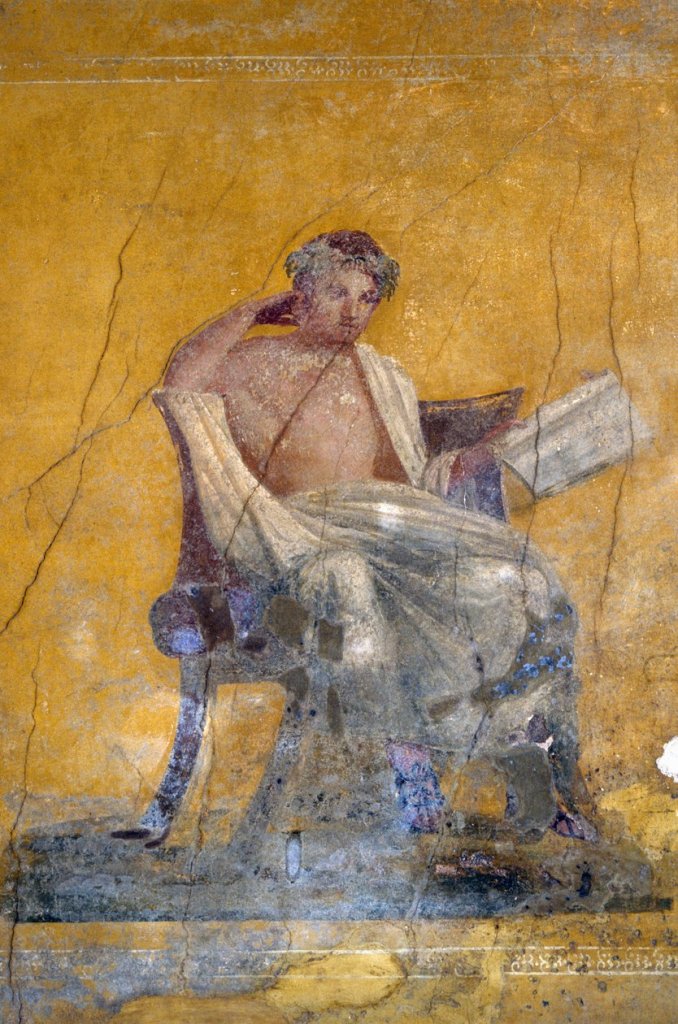
Nobleman, Pleb, Slave and Centurian,
You are all players in a recurring scene half written
By your actions, words spoken and withheld in the present,
Now a performance left behind
As you step through tomorrow's front door.

-As told in a dream to the Roman blogger Gregorius Photius by Fortuna the goddess of fate.  Circa 2025 A.D.
Chef Greg’s Zuppa di Pesce
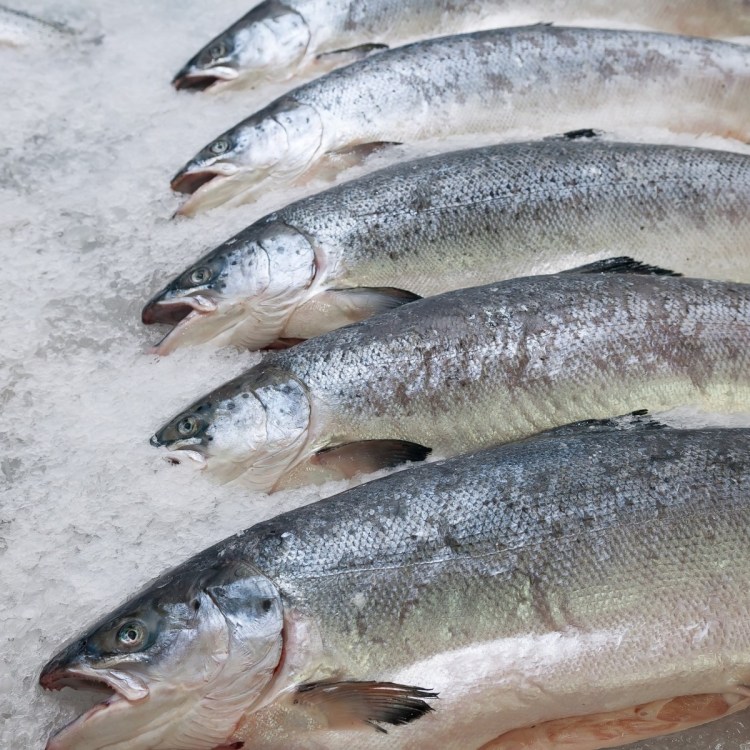



The seven island cities of the archipelago, and the vast stretches of barren fields between them, are dusted in fresh white snow. Outside my window I see a little rabbit in the fallowed garden patch. It has settled into a heap of leaves as it tries to keep warm. But I have not seen a squirrel all day. They must be high up in the trees snuggled together in their nests, waiting for the sun to come out and give what warmth it will.
These winter scenes make me want to cook something that reminds me of the warm, sunny days of early summer. There seems to be a contrary logic to this, but it always leads to something worth eating and sharing.
This season it is a fish soup that mixes the flavors of the sea and the garden in a balanced and flavorful composition of my own creation. I guarantee it will whisk you away to warmer climes after your first spoon full!
Happy Cooking!
Seafood Soup
Fish Stock 2 ½ cups
Onions ½ large
Carrots 1 small
Celery 1 large stalk
Green Cabbage ½ cup, sliced very thin
Cherry Tomatoes 3 ea.
Potato, Yukon Gold 1 large
Cherry Stone Clams 1 large
White Beans, canned 4 tablespoons heaping
Shrimp, 31- 40 count 4 ea.
Salmon 3 oz
Dill, Fresh 4-5 sprigs
Parsley, Fresh 4-5 sprigs
Bay Leaf, Fresh 2 large
White Wine, Dry 3-4 Tablespoons
Olive Oil 2-3 Tablespoons
Salt & Black Pepper To taste
1) Medium dice onions, carrots and celery (1/2” x 1/2”). Slice cabbage very thin and cut the strips in half. Quarter the cherry tomatoes. Peel the onion and dice ¾” x ¾”. Peel the potato and dice it 3/4″ x 3/4″.
2) Clean off shell well. Shuck the clam, retain the juice and slice the meat into a few pieces. Remove the shells and tails from the shrimp and cut in half. Cut he salmon into 1”x1” pieces. (Note: If you don’t want to shuck the clam, add it to step 4. When it is open remove the shell and cut the meat up and put the meat back in when the soup is done cooking.)
3) In a 10-cup saucepan, preferably with a heavy bottom, lightly sauté the onions, carrots, celery and cabbage for just a few minutes over a medium high flame. Stir frequently so the vegetables cook evenly.
4) Add the fish stock, diced potato, bay leaf and bring to a low boil.
5) In a small frying pan over a medium high flame, sauté the quartered tomatoes using a small amount of olive oil. Turn constantly. When the tomatoes get wrinkly, about 3 minutes or so, deglaze with the white wine. Stir while reducing liquid, for a minute or so. Add tomato / white wine reduction to the soup. (It is acceptable to sauté the tomato with the rest of the vegetables but sauteing them on their own will better develop their flavor.)
6) When the potatoes are soft, but not mushy, add the fish, beans and the rest of the herbs. Leave on the flame until the fish is fully cooked.
7) Flavor with the salt & pepper and let stand covered for a few hours before serving…if you can.
Serve with a thick, toasted slice of any style bread that has a substantial crust and a well-developed interior structure. (No wimpy bread, please.) Serve with a German lager or pilsner or any of these Italian white wines – Soave, Gavi, Pinot Grigio, Orvieto or a Vermentino.
Notes from the Peoria Archipelago

A few months ago, my wife and I went to Cape Girardeau, Missouri to visit our sons who are attending Southeast Missouri State University. Cape, as the locals call it, is a bustling river town of forty thousand or so. Like Peoria, the heart of the Archipelago, it was a trading post established by the French in 1733.
During these visits we usual stroll along S. Main Street in the old part of town and stop at the banks of the Mississippi to view that wide, lazy current of water flowing south to Memphis and points further on. There is nothing particularly memorable about that stretch of the river, but strangely enough, it stuck in my unconscious mind.
That night I dreamt about it. I saw that wide current of water, under a full moon, reaching past the town like a great shadowy arm stretching eternally for the sea. It flowed through the wreck of a grand old river steamer. I could not see the sunken hulk, but I felt its presence. A dark presence as if the moss-covered wreck was weighted down with the ghost of a passenger who had a resentment for a malefaction done to him or who befell a ruinous turn of events. The cause of this resentment was not revealed to me.
When I got up in the morning, I scribbled down a few lines describing the dream, concerned that it would fade from my memory over the course of the day. But that was not the case. It dominated my memory. After I had driven past the colorful wooded hills of Missouri, the hectic traffic of St. Louis and the barren, post-harvest fields of Illinois, and arrived home, I was convinced I had to do something with this peculiar anagogic enlightenment. I had no choice; it refused to leave my mind. Based on its’ haunting imagery and the dark emotion it was imbued with, there was either a ghost story in it, or a hard moral tale. Seeing possibilities in both, I decided to put the two themes together. Since I was on a roll with writing verse, and I can use the practice, I worked it into the poem that is printed below.
I hope you enjoy it.
The Lost Card Sharps of Cape Girardeau

Last night I slept in the old town
Where the river current poured
Through my night filled ruminations,
And the shoals of The Stonewall’s wreck.
Through her gambling parlor’s tumbled tables
And card sharp’s sunken skeletons.
Their empty eyes still watched
The silver dollar-glitter
Moon light crossing
The rippled river’s way.

One after another
The Jack of Hearts,
The Joker,
And the Suicide King crept
Through the darkness of the boarding house
And bent to my ear enfolded
In the little death that takes us
Night after night.

All their words were brittle tooth clatter
As jawbones rattled on and on
A bitter protesting prattle.

“How uncivil of that mark we fleeced
To bring his wrath upon us
For teaching him a lesson
On how the cheat is played.
Lodge your complaint with heaven fool!
The Fall has made us all this way -
Nothing more than whirling, spinning
Clock gears wound
By the maker’s invisible hand."

But I murmured in the darkness between
The floorboard creaks and doorknobs squeaks,
'Don't confound God's proof you have free will.
Blame the hands that hid
And held the cheating cards.
Your deceit was not his teacher
You’re cheating not his lesson
But the deliverer of your fates
Your arrogance won’t let you see.’
Images from the Peoria Archipelago
Three Views of a Dream


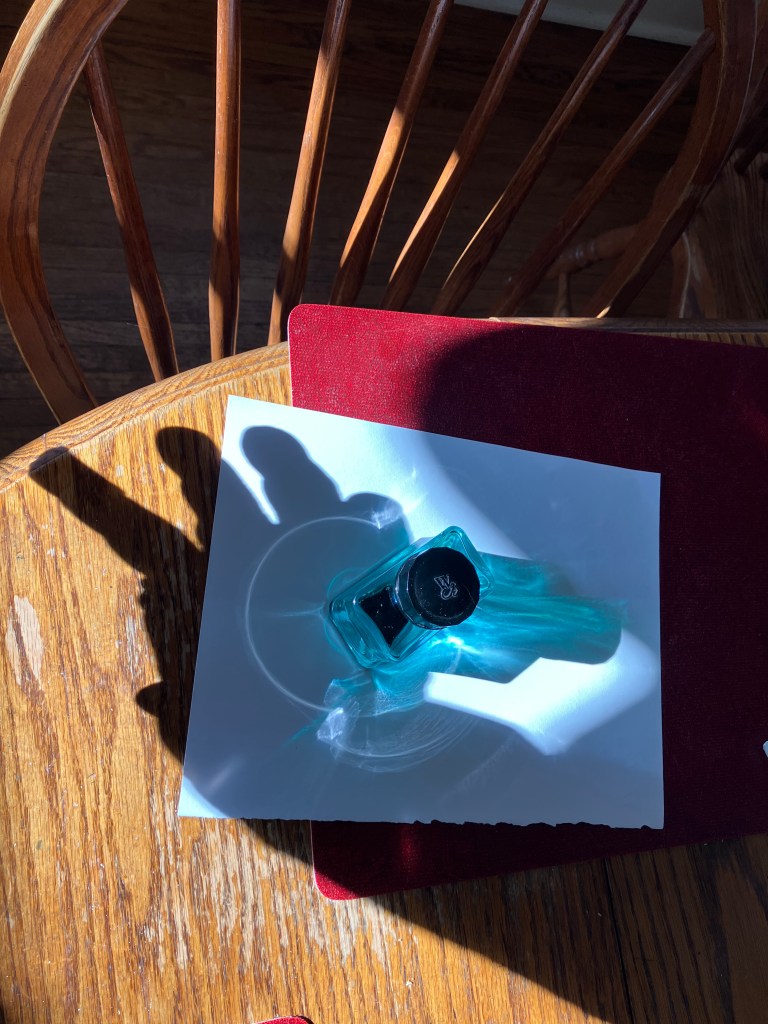
All the branches of art; painting, sculpture, music and writing, have a scientific side. They can be deconstructed into their constituent parts and with a fair degree of accuracy, distilled down into theories or formulas that describes the functioning of these parts in creating a coherent whole. Even in its precise definitions, dry language, and matter of fact concepts, the science of art has its own peculiar form of artistry. One that is easily overlooked.
Light is electromagnetic radiation that can be perceived by the human eye. Visible light spans the visible spectrum and is usually defined as having wavelengths in the range of 400–700 nanometers (nm), corresponding to frequencies of 750–420 terahertz.
Green is the color between cyan and yellow on the visible spectrum. It is evoked by light which has a dominant wavelength of roughly 495–570 nm In subtractive systems, used in painting and color printing, it is created by a combination of yellow and cyan; in the RBG color model, used on television and computer screens, it is one of the additive primary colors, along with red and, which are mixed in different combinations to create all other colors.
Shadow is a dark area or shape produced by a body coming between rays of light and a surface.
Time is the continuous progression of our changing existence that occurs in an apparently irreversible succession from the past, through the present, and into the future. It is a component quantity of various measurements used to sequence events, to compare the duration of events (or the intervals between them), and to quantify rates of change of quantities in material reality or in the conscious experience
Glass is a hard, brittle substance, typically transparent or translucent, made by fusing sand with soda, lime, and sometimes other ingredients and cooling rapidly. It is used to make camera lenses, ink bottles, other articles.
Archaeological evidence suggests glassmaking dates back to at least 3600 BC in Mesopotamia, Egypt, or Syria. The earliest known glass objects were beads, perhaps created accidentally during metalworking or the production of faience, which is a form of pottery using lead glazes.
Paper is a thin sheet material produced by mechanically or chemically processing cellulose fibers derived from wood, rags, grasses, herbivore dung, or other vegetable sources in water.
The oldest surviving piece of paper in the world is made of hemp fibers, discovered in 1957 in a tomb near Xian, China, and dates from between the years 140 and 87 BC. Papermaking was regarded by the Chinese as so valuable that they kept it secret as long as they could.
Wood is a structural tissue/material found as xylem in the stems and roots of trees and other woody plants. It is an organic material – a natural composite of cellulosic fibers that are strong in tension and embedded in a matrix of lignin that resists compression. Wood is sometimes defined as only the secondary xylem in the stems of trees, or more broadly to include the same type of tissue elsewhere, such as in the roots of trees or shrubs. In a living tree, it performs a mechanical-support function, enabling woody plants to grow large or to stand up by themselves. It also conveys water and nutrients among the leaves, other growing tissues, and the roots.
Archaeologists have uncovered evidence of the oldest wooden structure on record: a pair of interlocking logs connected by a notch that date to 476,000 years ago. Discovered along the Kalambo River in Zambia, the simple construction predates the first appearance of Homo sapiens in Africa.
Plastic is a synthetic material made from a wide range of organic polymers such as polyethylene, PVC, nylon, etc., that can be molded into shape while soft and then set into a rigid or slightly elastic form.
In 1907 Leo Baekeland invented Bakelite, the first fully synthetic plastic, meaning it contained no molecules found in nature. Baekeland had been searching for a synthetic substitute for shellac, a natural electrical insulator, to meet the needs of the rapidly electrifying United States. Bakelite was not only a good insulator; it was also durable, heat resistant, and, unlike celluloid, ideally suited for mechanical mass production. Marketed as “the material of a thousand uses,” Bakelite could be shaped or molded into almost anything, providing endless possibilities.
Photographer (the Greek φῶς (phos), meaning “light”, and γραφή (graphê), meaning “drawing, writing”, together meaning “drawing with light”) is a person who uses a camera to make photographs.
The birth of photography occurred in 1839 when Louis Daguerre and William Henry Fox Talbot introduced daguerreotype and calotype processes, respectively. Daguerre’s method, using silvered copper plates, became the commercial standard until the 1850s. Talbot’s calotype process, utilizing paper negatives for mass reproduction, laid the foundation for future photography.
Note from the Peoria Archipelago
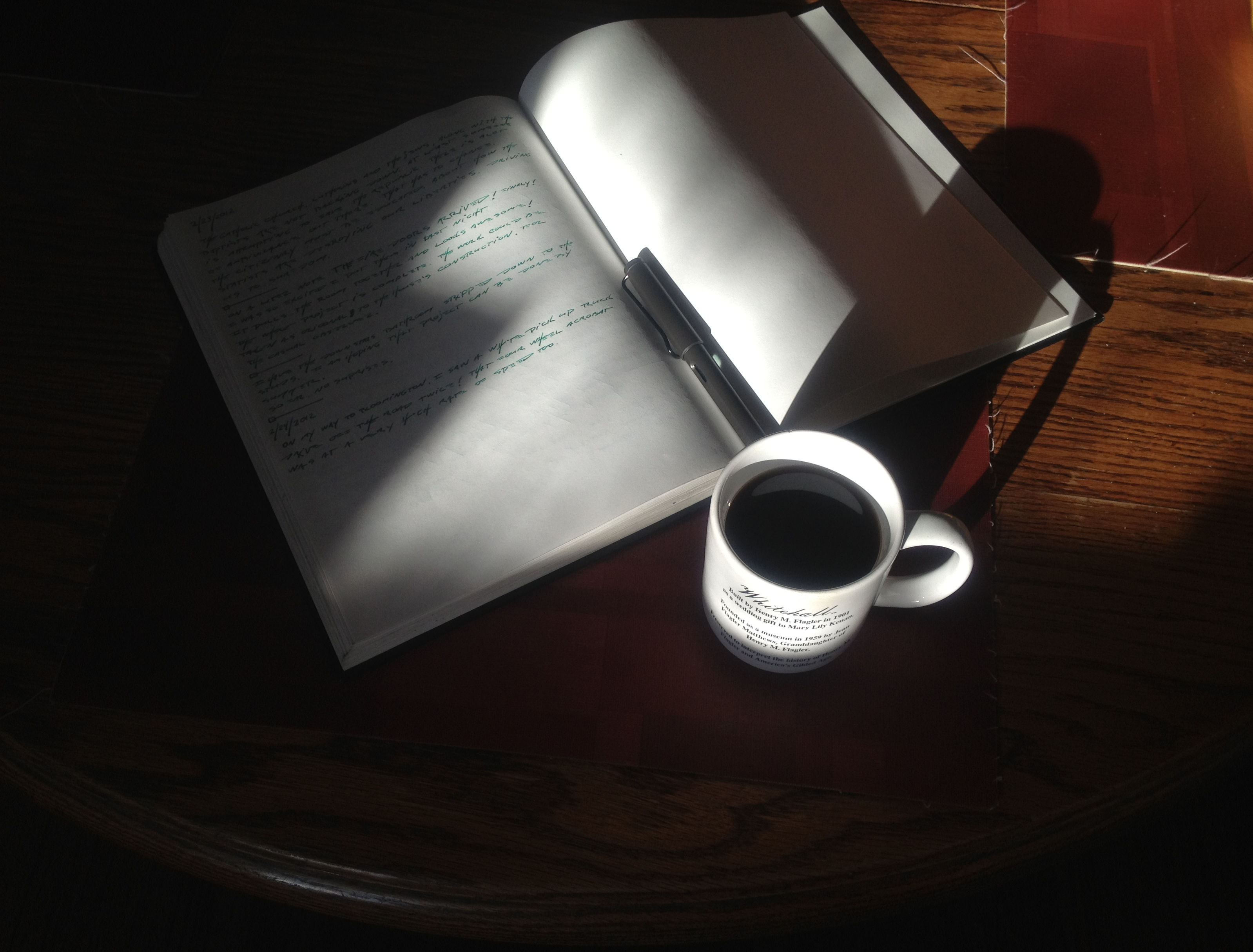
Earlier in the week I was up before dawn preparing for an early day at work. As I sat at the dining room table, writing in my journal and sipping on a cup of coffee, the old houses up and down my street where still filled with the quituted of night. Nothing stirred under the glitter of the winter stars. But when I had reached the end of the page that changed.
A flock of ravens descended on the neighborhood. Their insistent cackles instantly filled the air with an alarming urgency that drew me right to the window. But they flew invisibly in the darkness among the vague silhouettes of rooftops and the bear arms of the trees clustered around them.
That urgency in their calling and being cloaked in the silent darkness they disturbed, created a mystery in my mind and moved me to write a few lines to describe what I could not see. I went back to my journal and sketched out the scene with a few brief lines and left it at that. But over the course of the week the scene stuck with me, and I decided to turn it into a poem.
As I worked on it that fabulous poem by Poe, The Raven, began to weave itself into my thinking. As helpless as a dreamer I let those thoughts go where they would, and the results are below.
I gave it to my son to read and much to my surprise, it made him laugh when he was done with it. When I asked why the laughing, he said, ‘This is what Poe should have said to the raven, instead of pleading then throwing a tantum at it over his dead girlfriend.’

                          Winter Raven

Night black, feather fine
Dawn shouters glide.
Down dim skies and gather
At my frosted morning window.
Cackle not your omen songs,
Same sung in Odin's day,
You beastly birds set to guard
Saragossa's martyred saint.
I know you dark
Wind rider profits
The battle proud Caesar sought in Gaul.
The same mocking nemesis questioned
In the torment of Boston's bard.
Why land here winged tutors of Cain
Restless sky shadows wandering against
The glimmer thread of dawn?
Be silent, be gone.
Back to the crest of Kazimierz's clan courageous.
Tell me not my fate well hidden
In the here or there of coming day.
'The Lord is my shepherd
I shall not want.
God's staff and rod comfort me.
Though I walk in the valley of the shadow of death
I fear no evil, for he is with me.'
Be gone, cast no bones from thy claws,
No black talisman to offer from thy boney beaks.
Be gone the dawn approaches fast
With the moon's silver back sailing low
The star-spangled water on high.
My heart is not your dark domain to taunt.
Be gone winded specter be gone.
Work
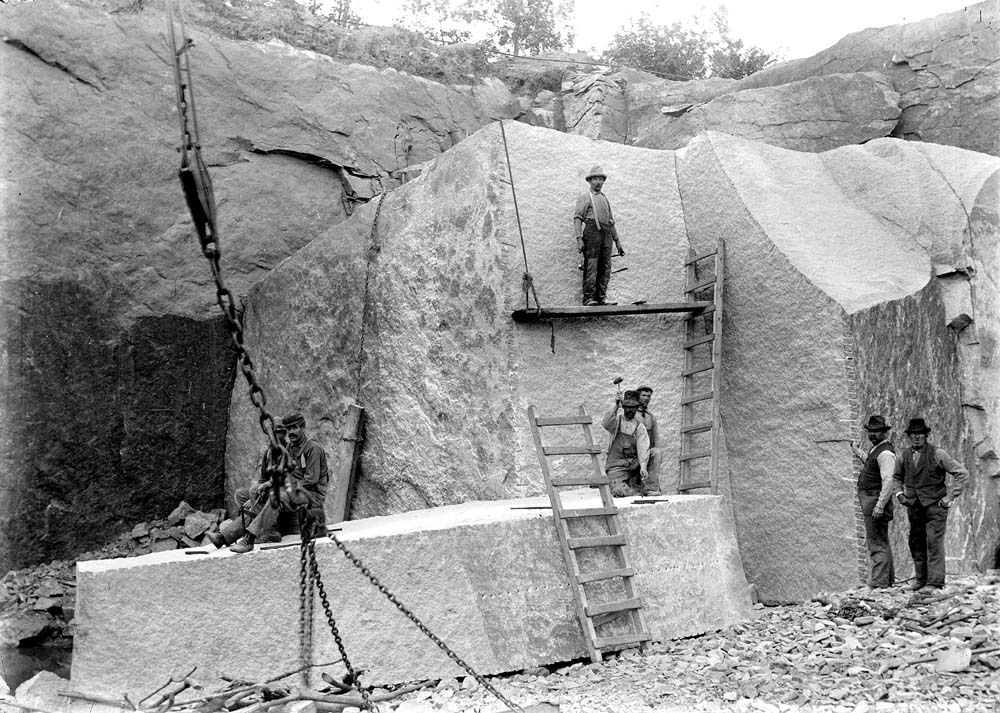
Piece by piece
The puzzle is assembled.
Hour after hour
Levers are jammed beneath
The ungainly blocks
Of hard facts
And rough numbers –
Tonnage lifted,
Grunting,
Sweat stinging
The mind’s eye.
As we muscle them into
The stubborn spaces
That made our work
For the day.
While the mortar dries
We stood back and smiled.
Then pack up our tools
In the long shadows
Of the coming night,
Relieved it justified
Our confidence
In the bright morning light
we started out in.
My Autumn
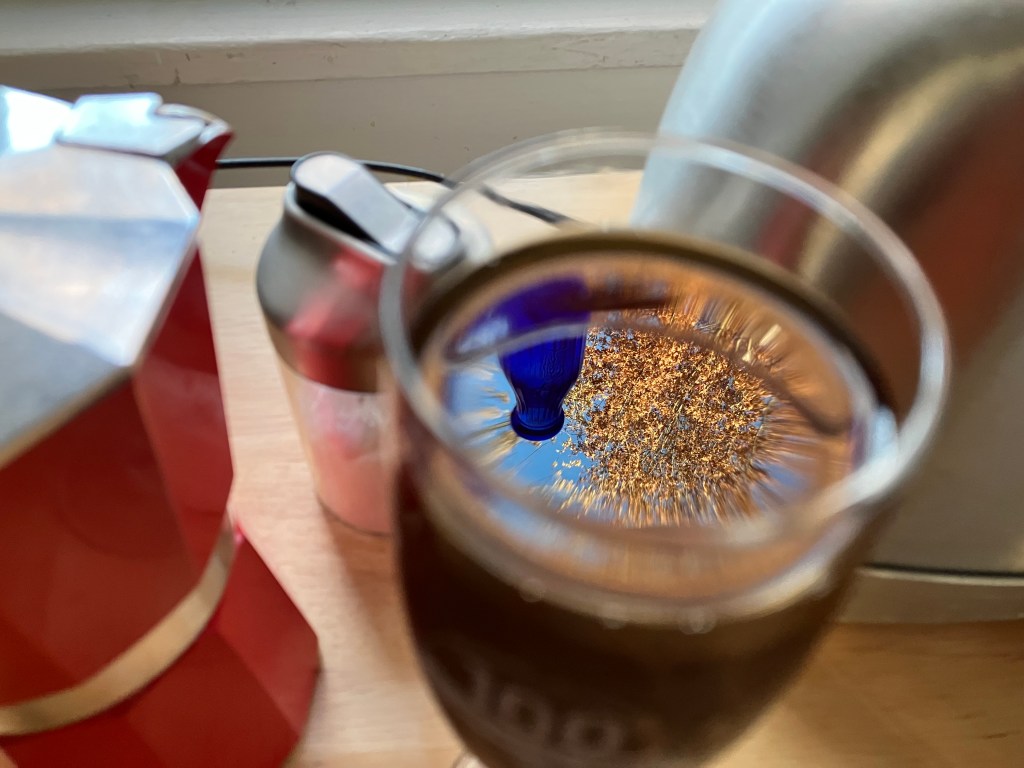
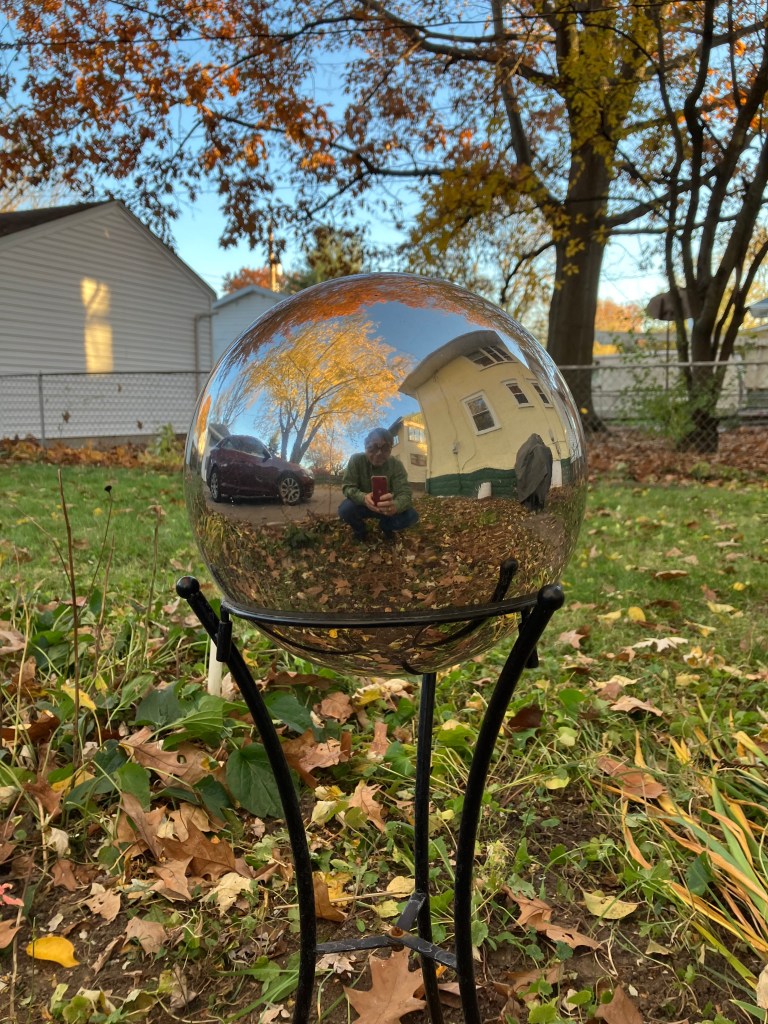

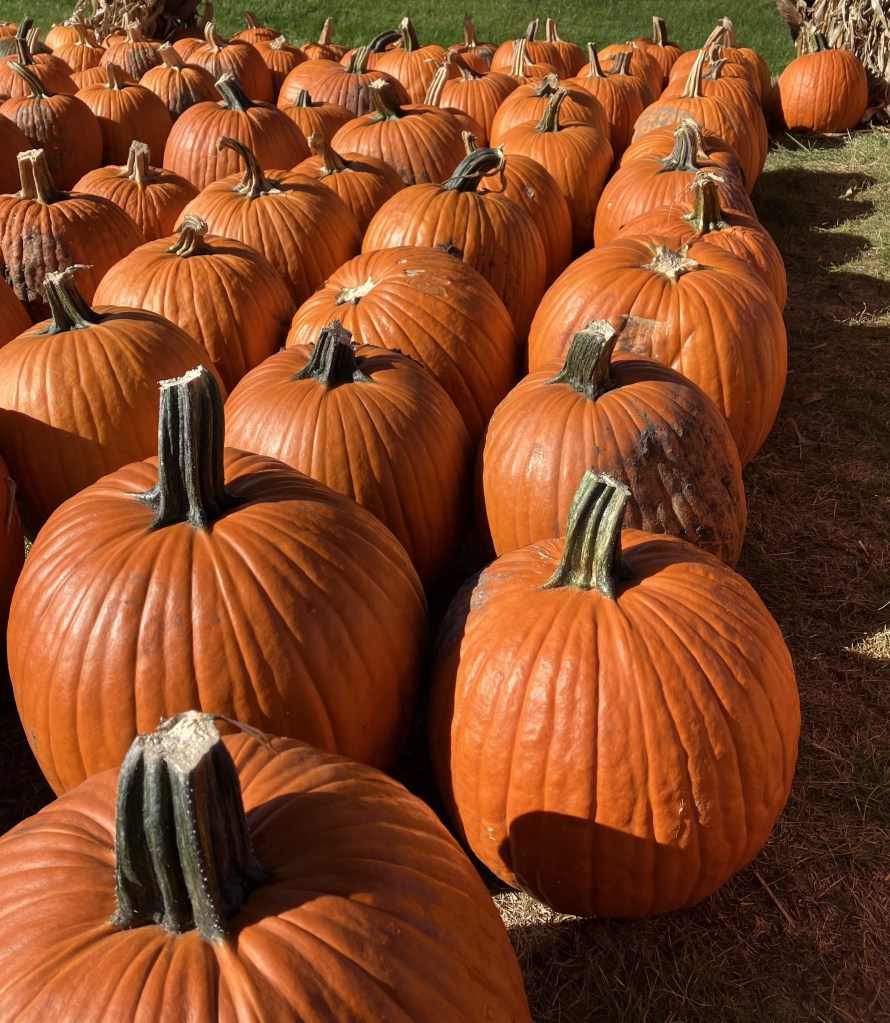
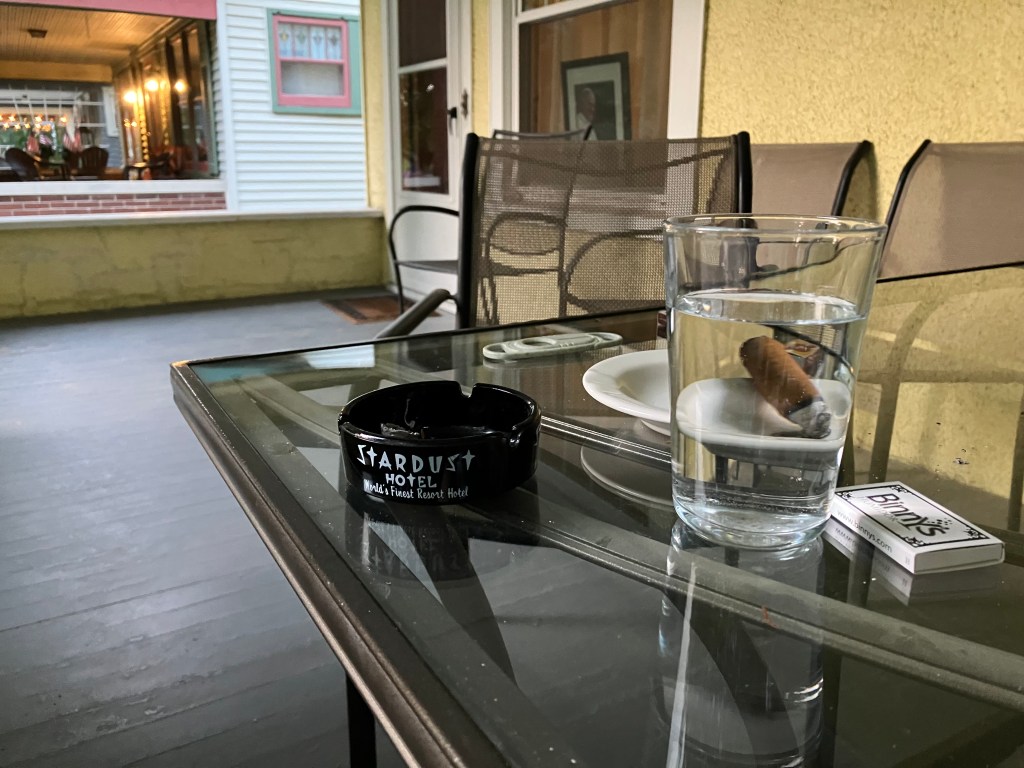
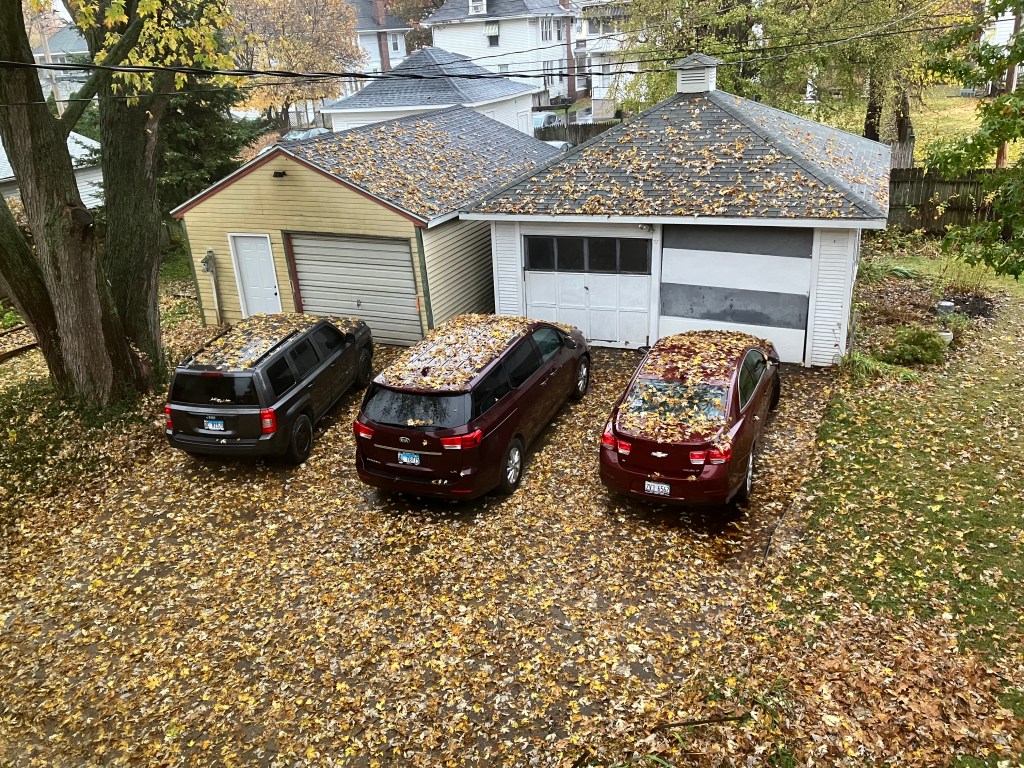
Autumn
I love the fitfull gusts that shakes
The casement all the day
And from the mossy elm tree takes
The faded leaf away
Twirling it by the window-pane
With thousand others down the lane
I love to see the shaking twig
Dance till the shut of eve
The sparrow on the cottage rig
Whose chirp would make believe
That spring was just now flirting by
In summers lap with flowers to lie
I love to see the cottage smoke
Curl upwards through the naked trees
The pigeons nestled round the coat
On dull November days like these
The cock upon the dung-hill crowing
The mill sails on the heath a-going
The feather from the ravens breast
Falls on the stubble lea
The acorns near the old crows nest
Fall pattering down the tree
The grunting pigs that wait for all
Scramble and hurry where they fall
John Clare
Grateful

He had been through the arc of the storm.
From the distant rumble of angry air
Electrified and bitter berry black
To the last drop of the downpour gone,
On a summer breeze and the song of a bird.
He felt he shouldered the whole of God’s plan for himself.
From the space carved out in God’s love by the fallen one
To the righteous light of his deliverance from that dark, desolate space.
It was St. Augustinus who led him through that storm.
The Roman star once rising and shining above
The sun-bleached bones of Carthage.
That reluctant bishop of Hippo.
It was his path he followed from Plato,
To Plotinus, to Christ the Savior.
St. Augustinus – his gate to a deeper truth,
His higher calling above
The ship-wrecking wind of his own will.
How grateful he was to this father of the ancient church,
This pillar of God’s word.
The stone rejected now the corner stone
In his storm shelter built
From God’s eternal love and forgiveness.
Parenting Over Time
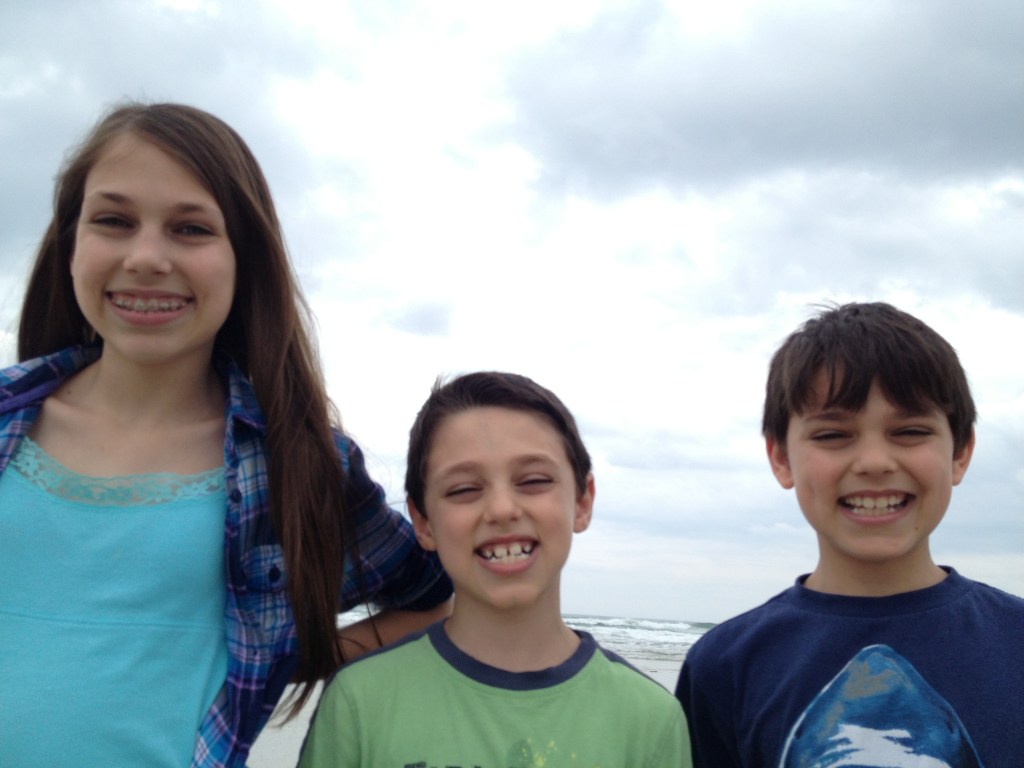
The connection between parents and the children can be looked at as an inverse relationship measured over time.
While the parents are building a family support network, growing closer to their child day by day, the child is learning to be increasingly independent. As a result, that intricate network is ‘deconstructed’ a little bit everyday. Eventually, it is reduced to a minimal frame work which barely resembles what it once was.
The morning after I drove my second to college, I fully realized my parental routines of twenty four years became that minimal frame work in just the space of a day. Being in the middle of that routine, I did not make any kind of after plan for the final day.
It left a large hole in the center of my life.
Over the course of the next few weeks, this realization rolled through my mind and cast a heavy shadow darkening my conscious and unconscious thoughts. Eventual, my definition of the relationship with my children was reshaped from a mathematical formula of sorts to a fairy tale like metaphor.
The Gift of a Cottage
‘A husband and wife are given a tiny cottage of unique design. Immediately, they feel a deep and joyful attachment to it which grows stronger everyday. This attachment moves them to build a home beside it. Eventually, they enlarge their new home and it encircles the small cottage. All the doors and windows of that new home look out on the cottage making it the center of their lives.
One morning the couple woke up and found that the cottage was gone. They always knew that day would arrive but ignored it for years. They were so enamored with their gift, they could not bear for long the thought of losing it.
In the days after, they tried to fill that empty space with memories of what was there. They soon found that memories are like friendly spirits; welcome at first but eventually they haunt their hosts with what is ultimately lost to them.
They also found that memories, like spirits, can be translucent as colored glass or a morning mist. No matter how many memories they put in that space, they saw through them all and onto the doors and window of their own house; all reminders of the space they could not fill.
It was a hard time for them but together they managed to unwind the inoperative connections and close off the doors and windows they would never use again. Over time they filled that space with new things to celebrate, develop and care for. ‘
Since that day I have learned that at the right time letting go and moving on can be just as important as holding on and being present.
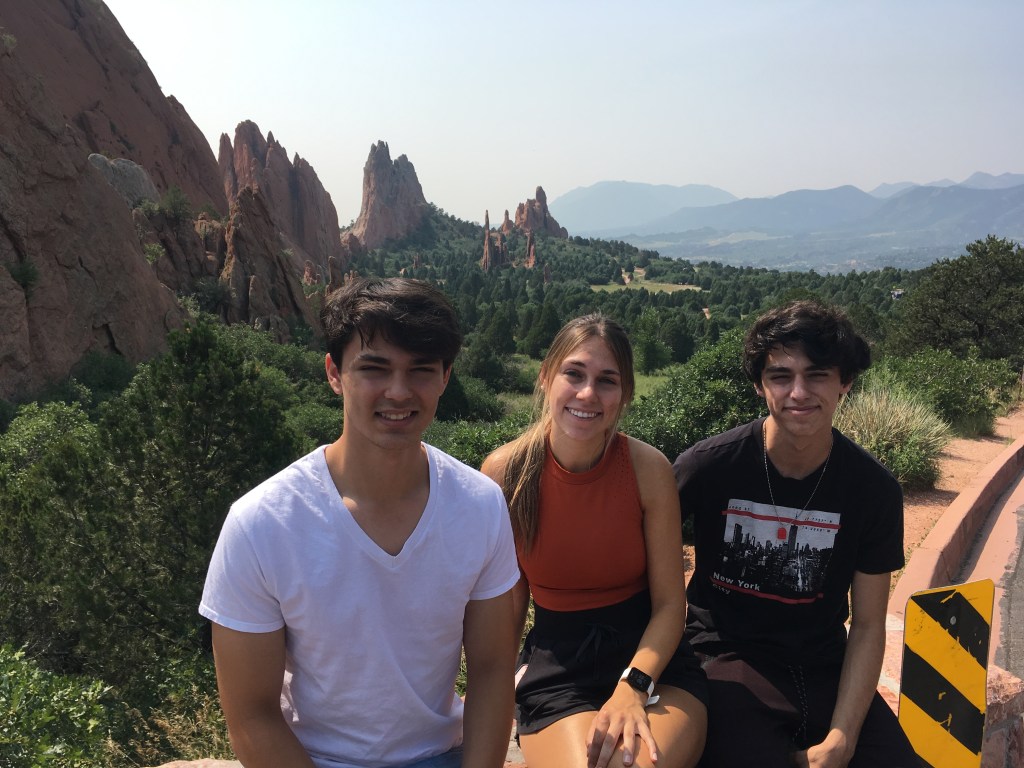
There are places in your heart you will never know exist until you raise your own children.
The Christmas Season

For God so loved the world that he gave his one and only Son, that whoever believes in him shall not perish but have eternal life.
JOHN 3:16
May the true meaning of the Christmas Season be known to you and all the blessings that it brings!
May the secular blessing of the season be on your table too!


MERRY CHRISTMAS
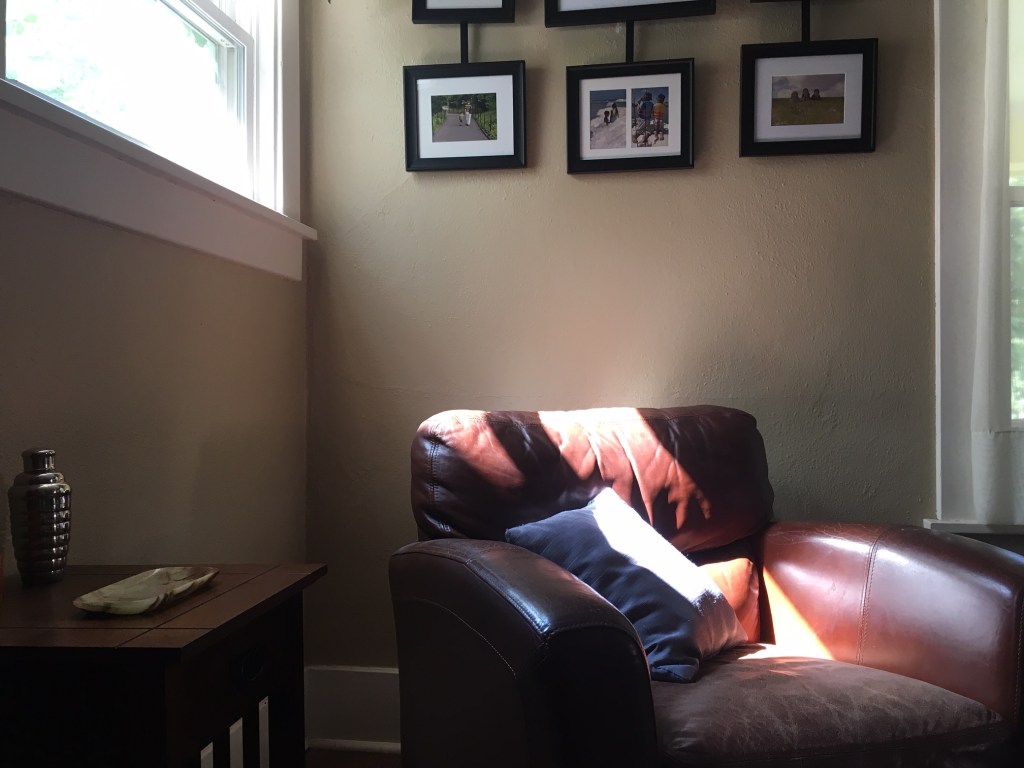
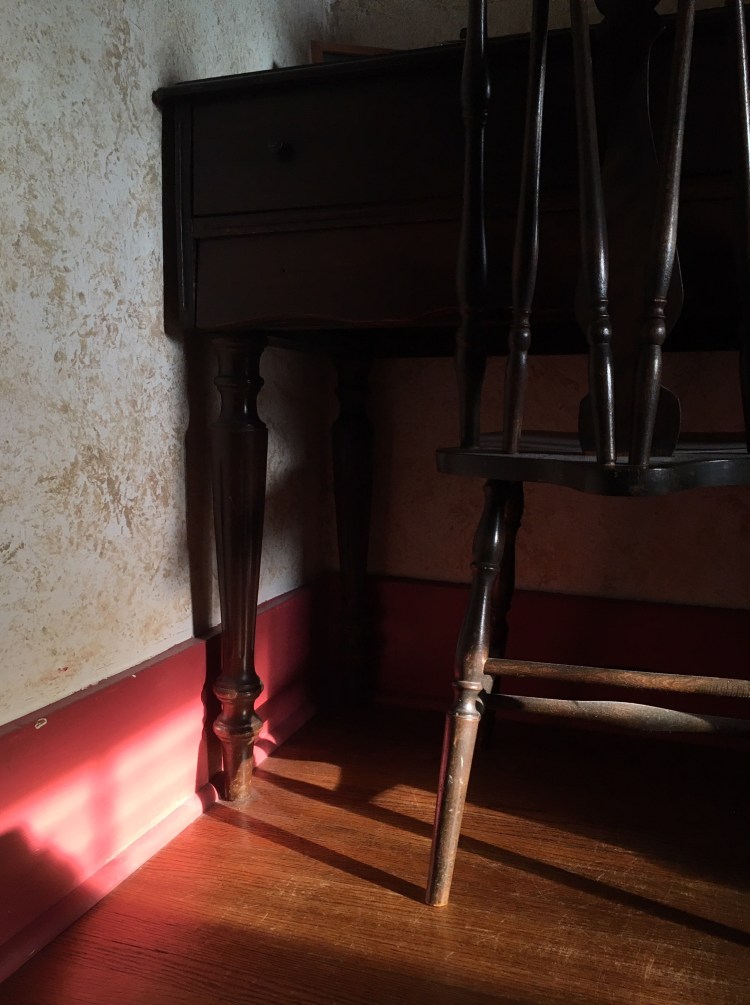
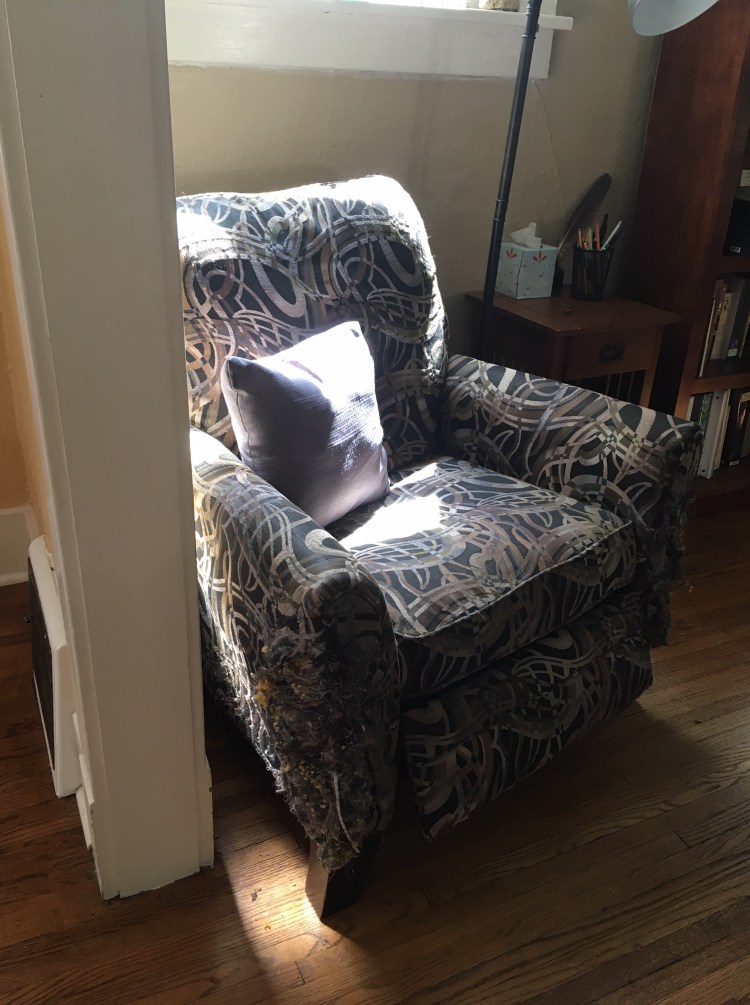
A Place To Sit
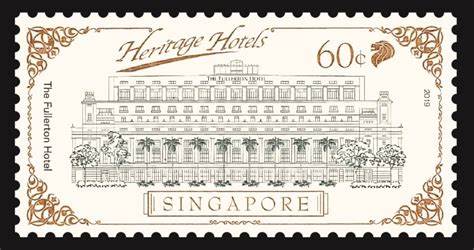
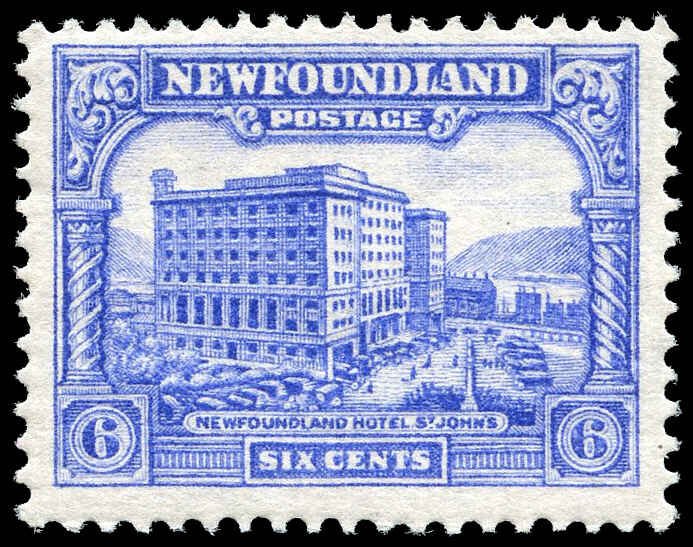
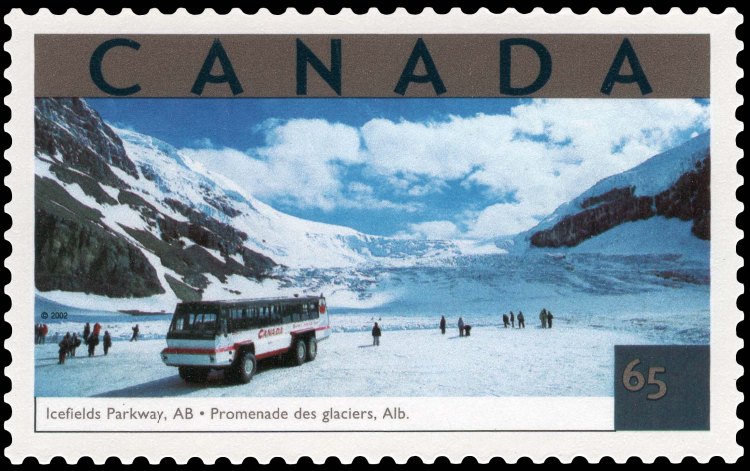
A POSTAL VACATION





Chicken Grillin’



For the last few years, I have been cooking chicken breasts for my wife to put on the salads that she takes to work.
The plan was to create a simple and quick recipe, this way I would be able to prepare it every week, no matter how busy I was. Having gotten this process to a place of semi-perfection, (nothing I do ever gets to really be called perfect, just exceptional near misses) its’ time to share what I have learned.
Essentially, I am marinating two large boneless, skinless chicken breasts in a 12 oz freezer bag and letting them infuse with flavor over night in order to be cooked off the next day. I use a basic marinade base – 6 oz salad oil to 2 oz of white vinegar. Different ingredients are added to this base to create a specific flavor. The addition of an acid, the vinegar and lemon juice, break down the protein and tenderize the chicken. The addition of salad oil spreads the flavor over the chicken as well as aids in the grilling process by not allowing the breast to stick to the grill grates.
If the juice of a citrus fruit is added, you may want to reduce the vinegar a little. On the marinades with heavier flavors, try red wine vinegar instead of white. On the liter flavored marinades, try rice wine vinegar instead of white.
The first step is to pound down the thick side of the breasts. (When the handles of my old rolling pin broke off, I converted it to a cutlery bat.) Place the breasts in the freezer bag and close the zip lock. Now, firmly and steadily pound down the thick side with a cutlery bat or the flat side of a meat hammer. Don’t pound is so hard that it tears; five or six good hits all around that area should be sufficient. Flattening that thick end helps them to cook more evenly; locking it in the bag keeps the raw chicken from flying all over your kitchen.
The chicken can be cooked on the grill, or, the entire contents of the bag can be poured into a small roasting pan, covered with foil, and baked at 400 until done. Try cooking it one way, then the other, and you will taste a significant difference in the flavor and texture.
All recipes were seasoned with sea salt and freshly ground black pepper.
A few more comments that may be useful.
When adding the flavoring to the bag, put half the ingredients on one side and half on the other.
If you are able, flip the bag over a few hours after it goes in the fridge.
Put the bag in a container, it may leak. I learned that the hard way!
When storing the chicken after using the baking process, leave behind the oil, but keep the herbs and onions, or garlic.
Below are the combinations that my lovely wife chose as her favorites.
Ingredients
Dionysus Delight.

1 – 2 Tablespoons fresh oregano, chopped with stems.
Juice from 1/2 Large Lemon. Sometimes I rough chop the squeezed lemon and put that in the bag too.
2-3 Large cloves garlic, peeled, chopped.
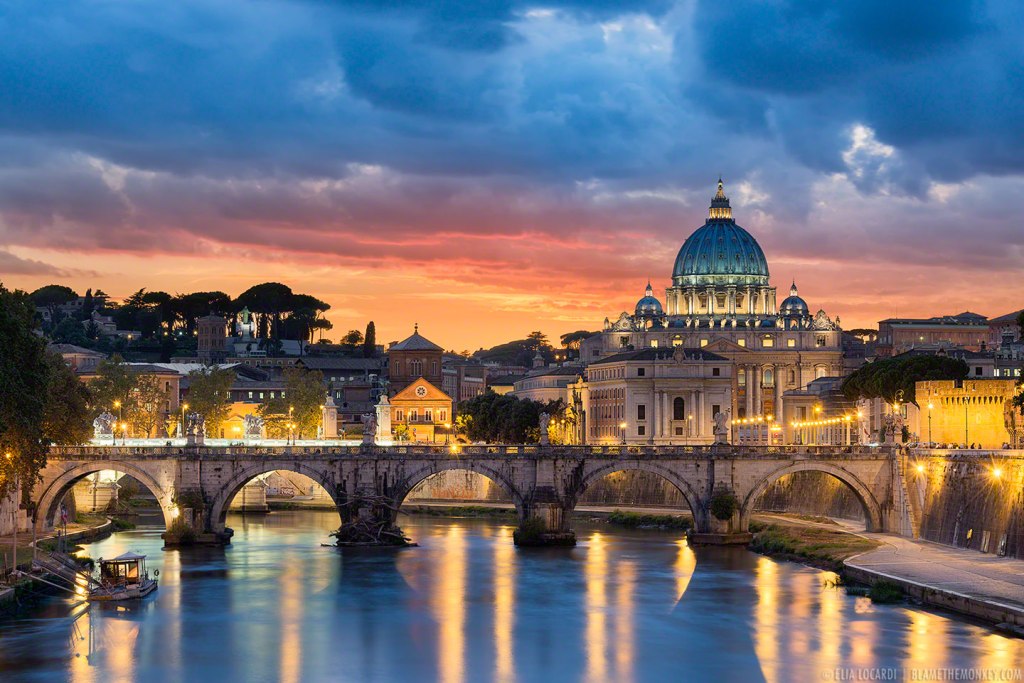
Roman Holiday
Basil, 3 – 4 Tablespoons, chopped
Parsley, Flat, 1/2 cup, chopped, leaves and stems
Lemon, Large, 1/2, squeezed for the juice
1-2 Large cloves of fresh garlic, peeled, chopped.
Sub salad oil for olive oil.
Mexican Holiday

One half of a medium sized onion, peeled, med dice
Cilantro, 1 cup, chopped, stems and leaves
Cumin, 1Tablespoon
Chili powder, 1/2 Tablespoon, optional
Liquid smoke, 1/4 Teaspoon, optional
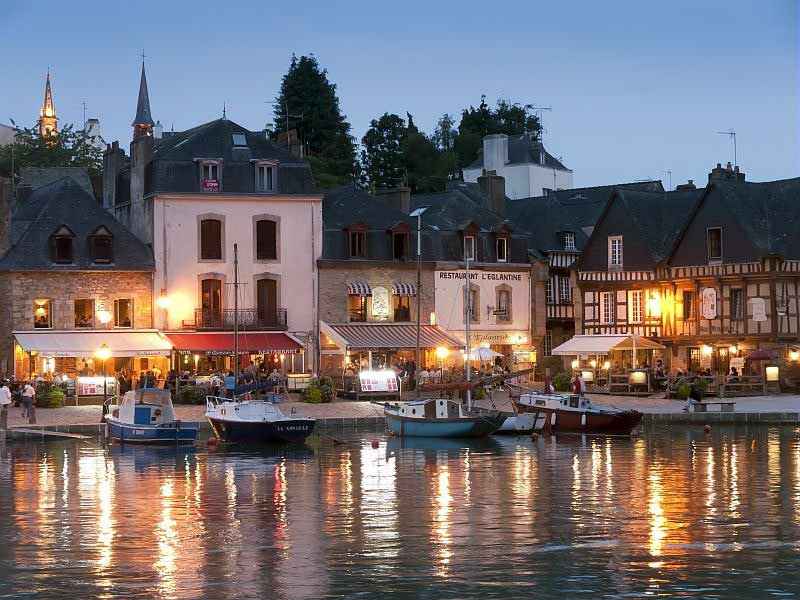
Picnic in Brittany

Basil 3-4 Tablespoons chopped, leaves and stems
Parsley, Flat, 1/2 cup, chopped, leaves and stems
1/2 Teaspoon green peppercorns, in brine, crushed
Half of a medium onion, peeled, med dice
Picnic in Brittany – the following weekend
3 Tablespoons of rosemary, chopped
1/2 Lemon, large, squeezed for the juice
1/2 Table spoon, capers, chopped
1 Garlic clove, peeled chopped
Happy Cooking and be thankful for what you have !
July 4th Reading List
Happy birthday America!
Here is a reading list for every lover of liberty, individual rights, property rights and religious freedom.
In these turbulent times, with tyranny threatening out liberty more then ever, and from every conceivable quarter in our society, we owe it to ourselves and our posterity to keep alive the ideas in these great works. If we do, we will keep the light of liberty shining for another generation.
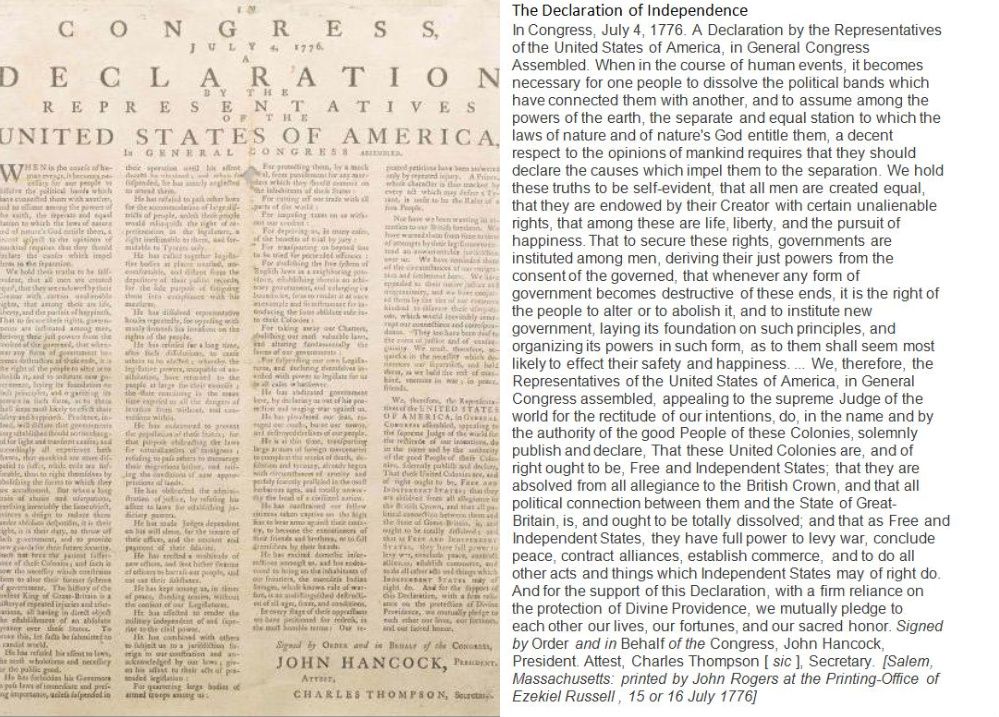
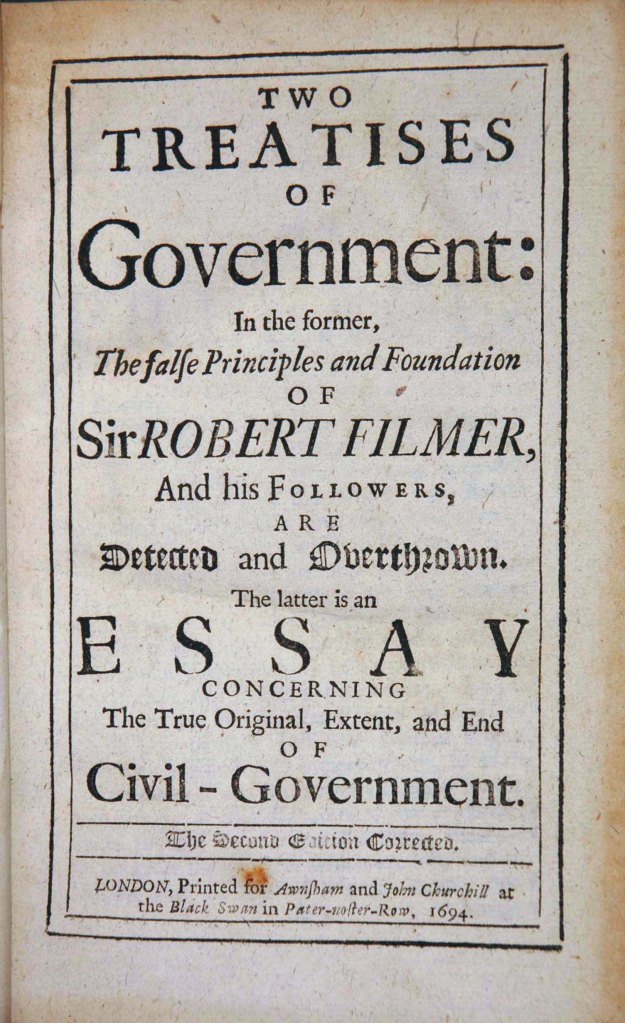
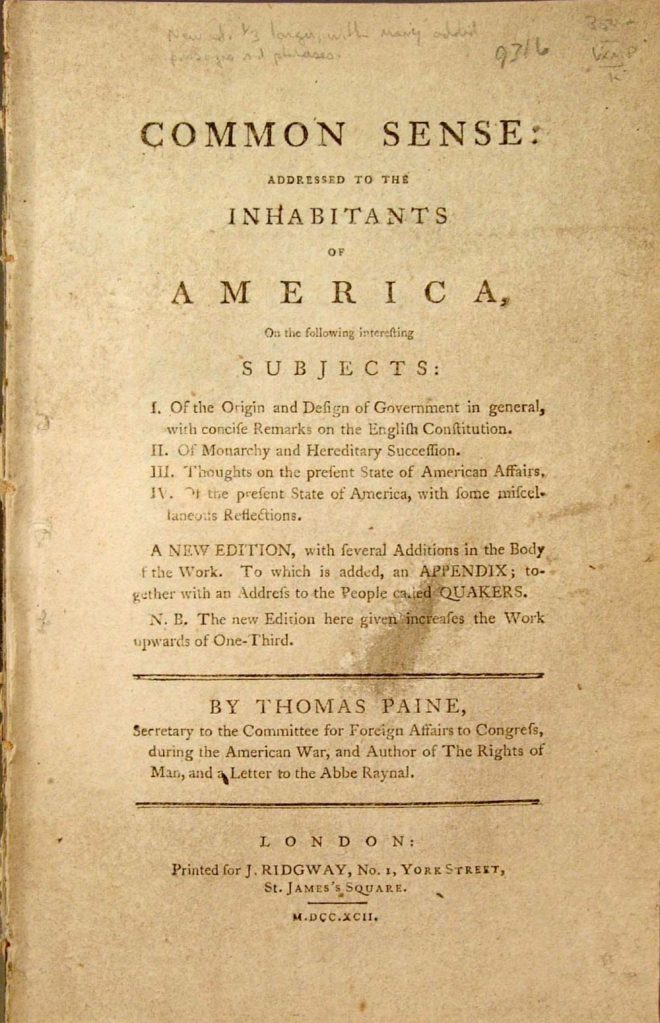
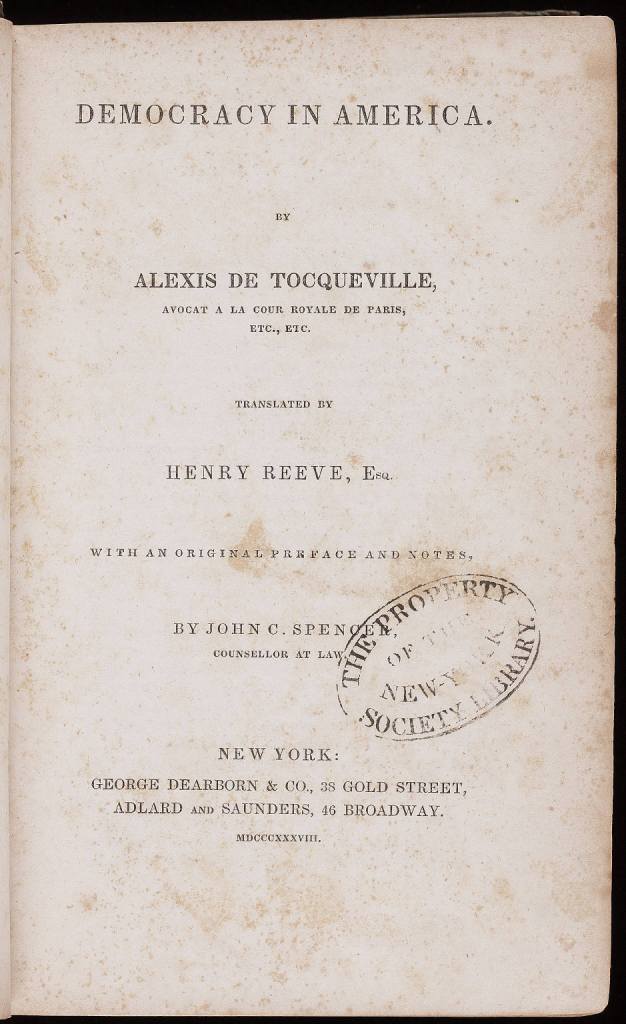
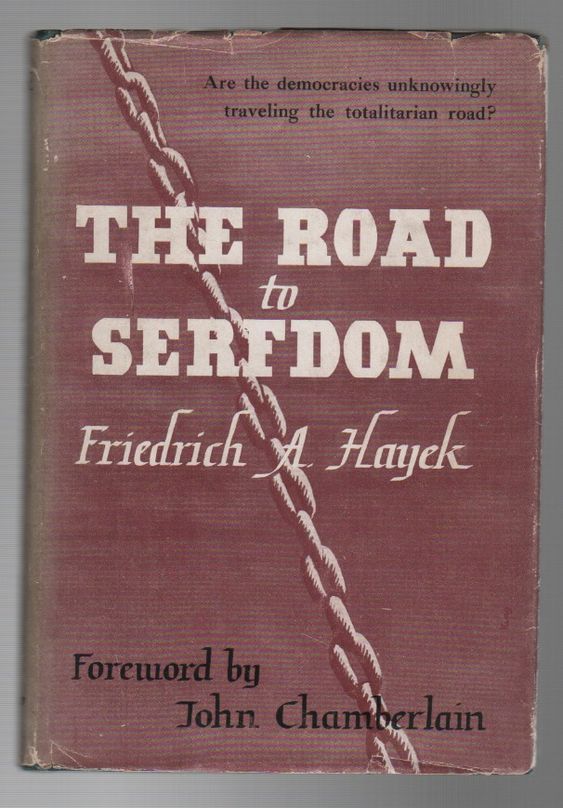
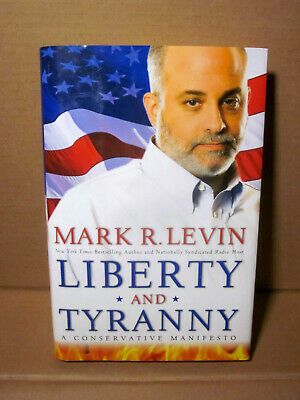

God bless America.
A Celebration of Science in Stamps
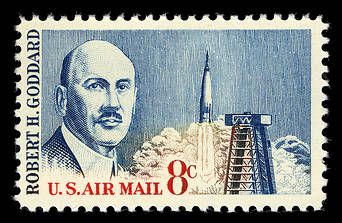

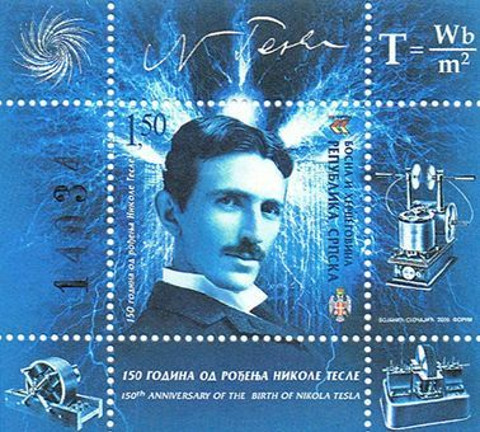

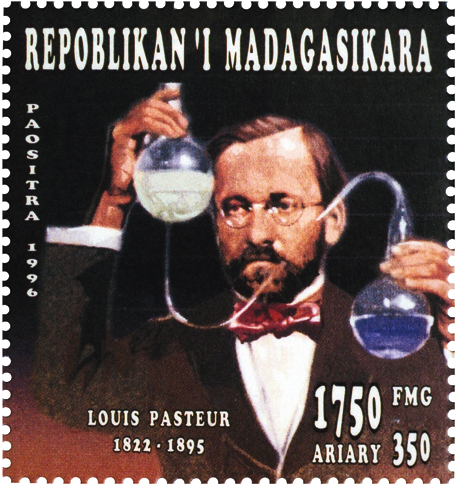


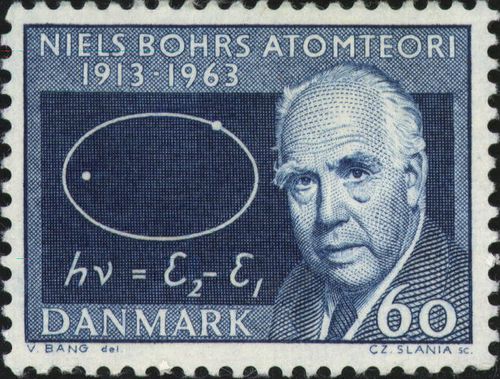


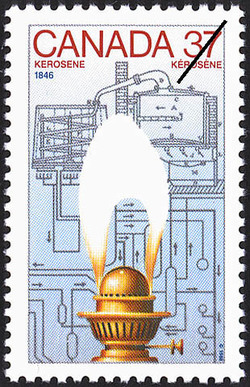

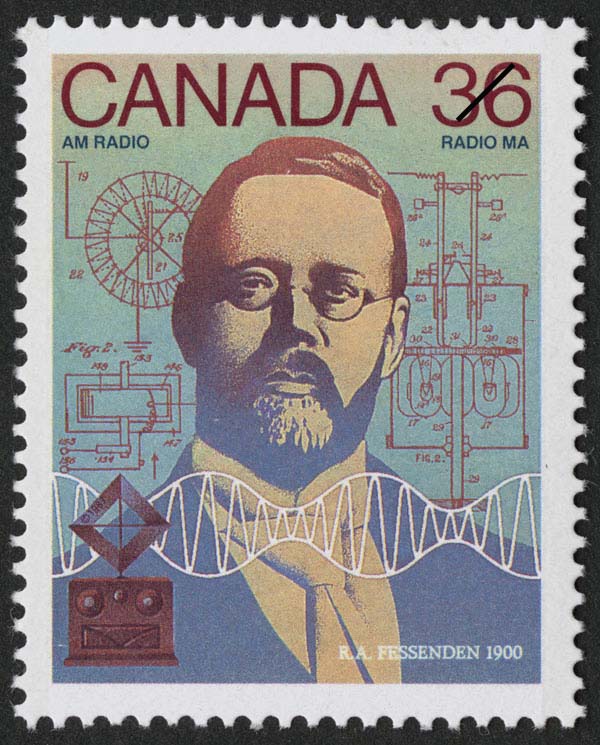
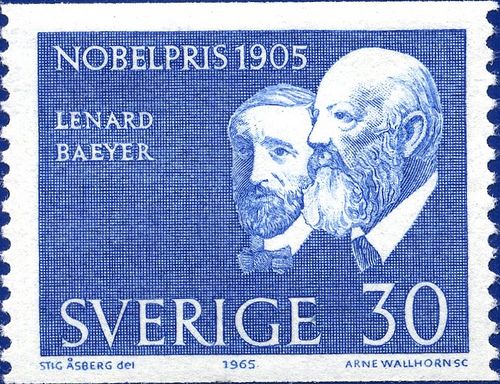
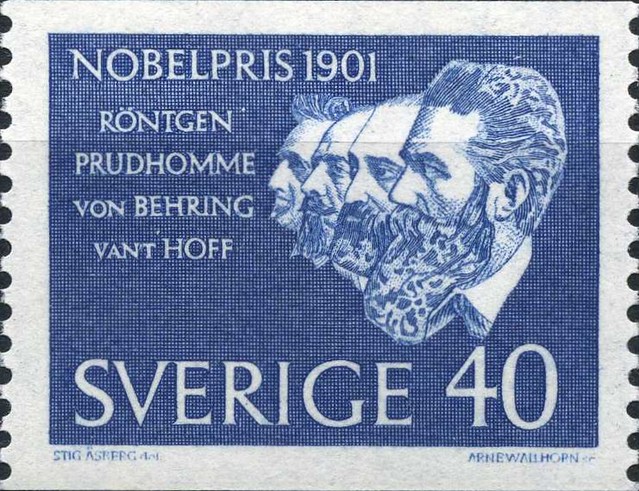



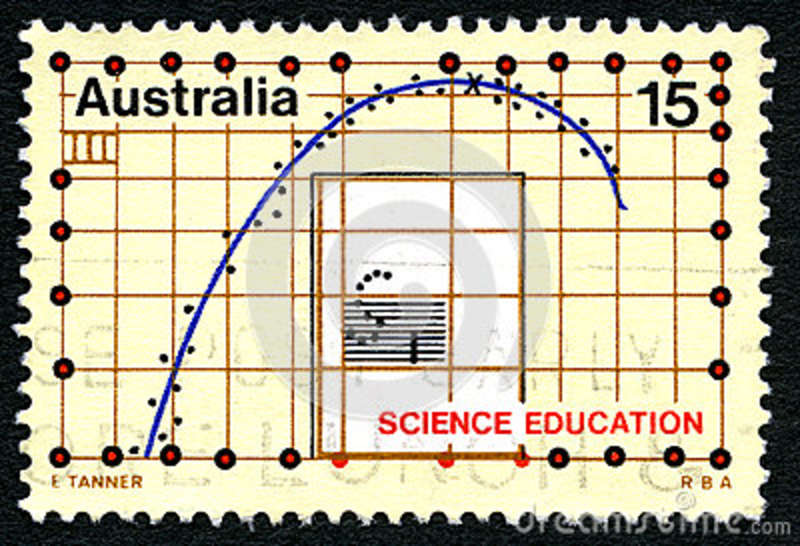
COLLECTING IS LEARNING !
Curtains and Light

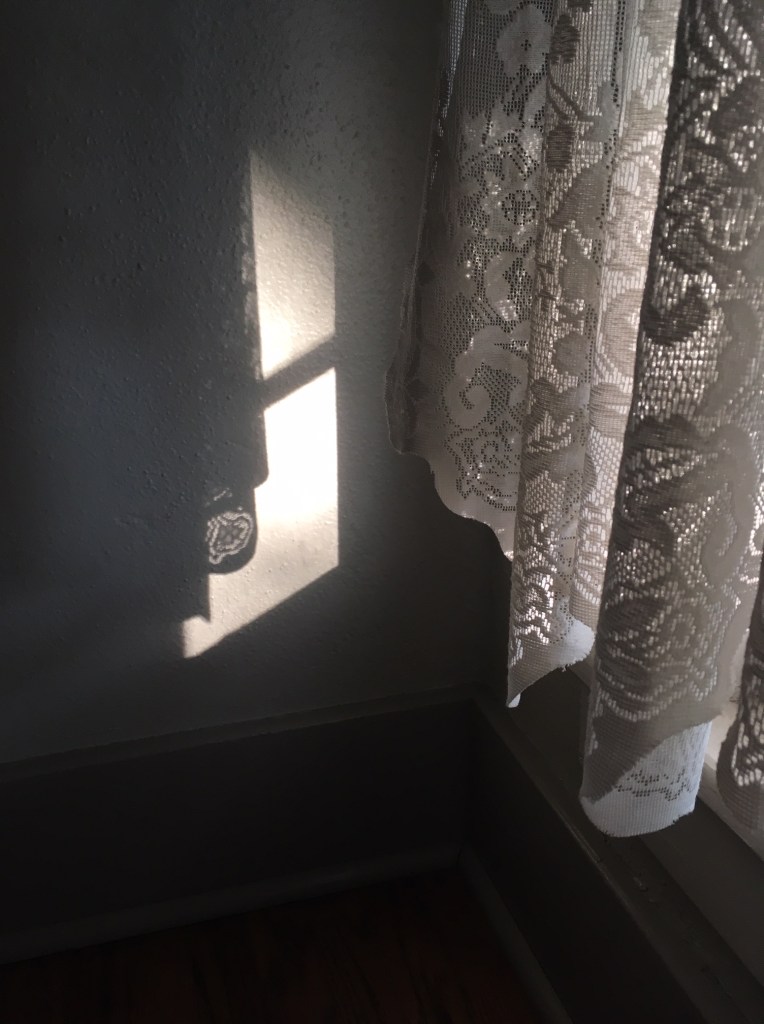
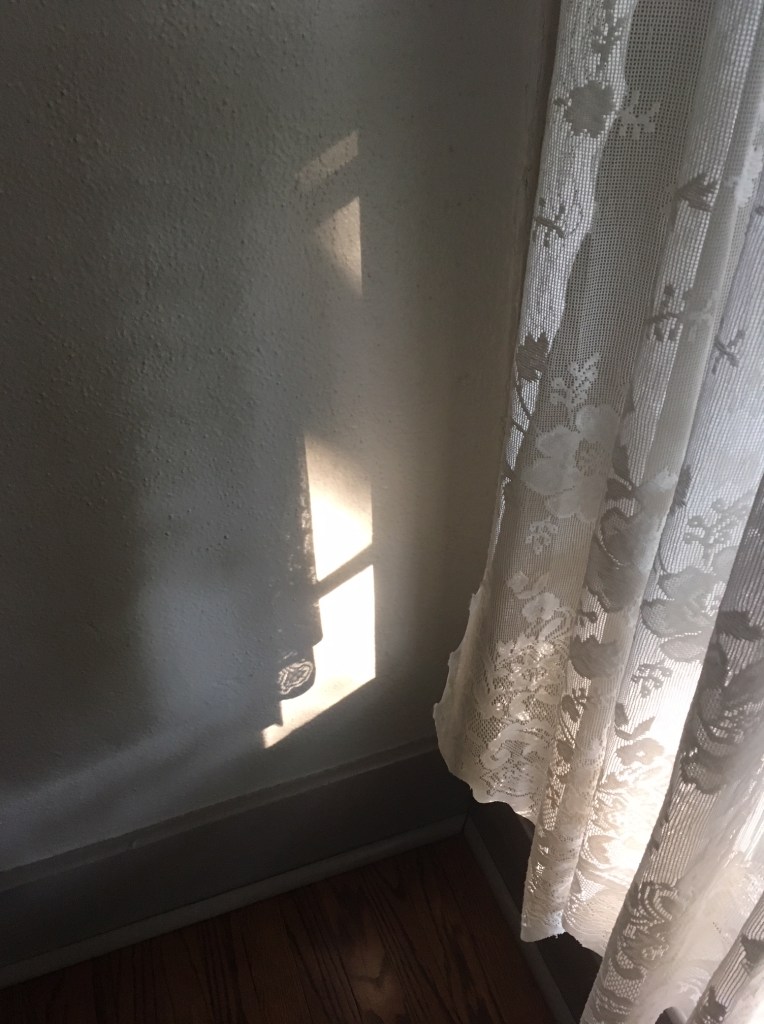

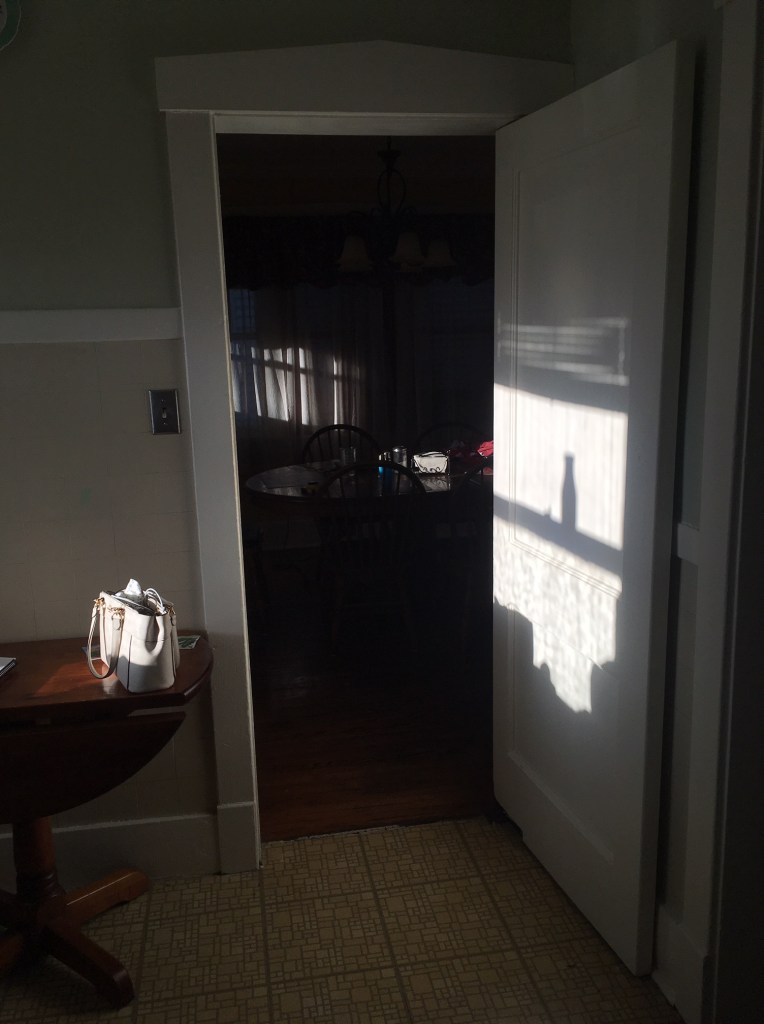


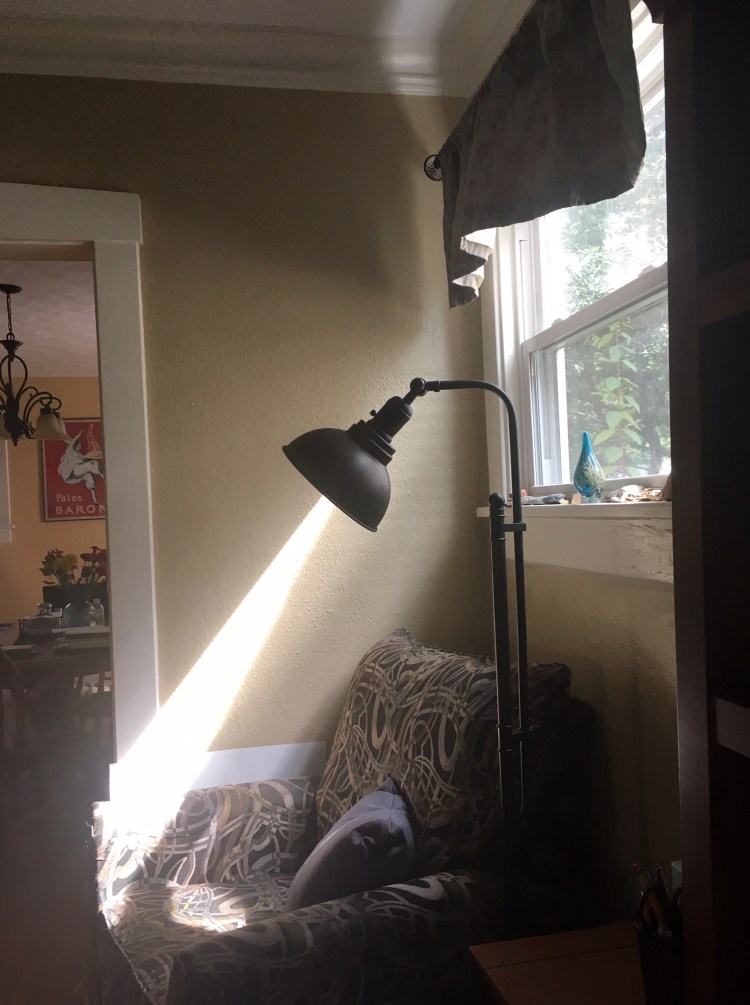
Some days, when I am walking from one room to another, the sunlight shines through a window in just that particular way that it makes me stop and admire it for a moment.
Those images are like subtle details the realist master worked in behind his main characters, an incidental line describing stillness and silence from a poem written about a larger theme.
Sometimes, its worth giving all your attention to that little detail, as if it was the main character, the bigger theme.
As if stillness and silence were the deepest wells of beauty and meaning the world has to offer.
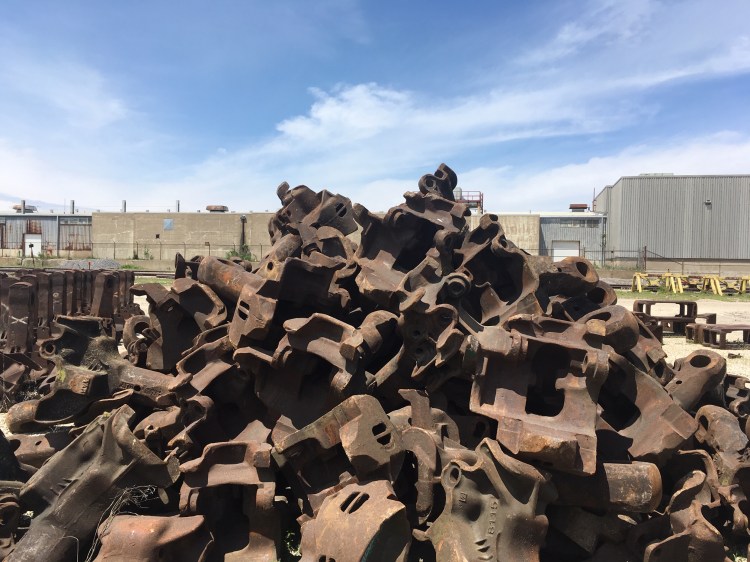
HARD LANDSCAPES


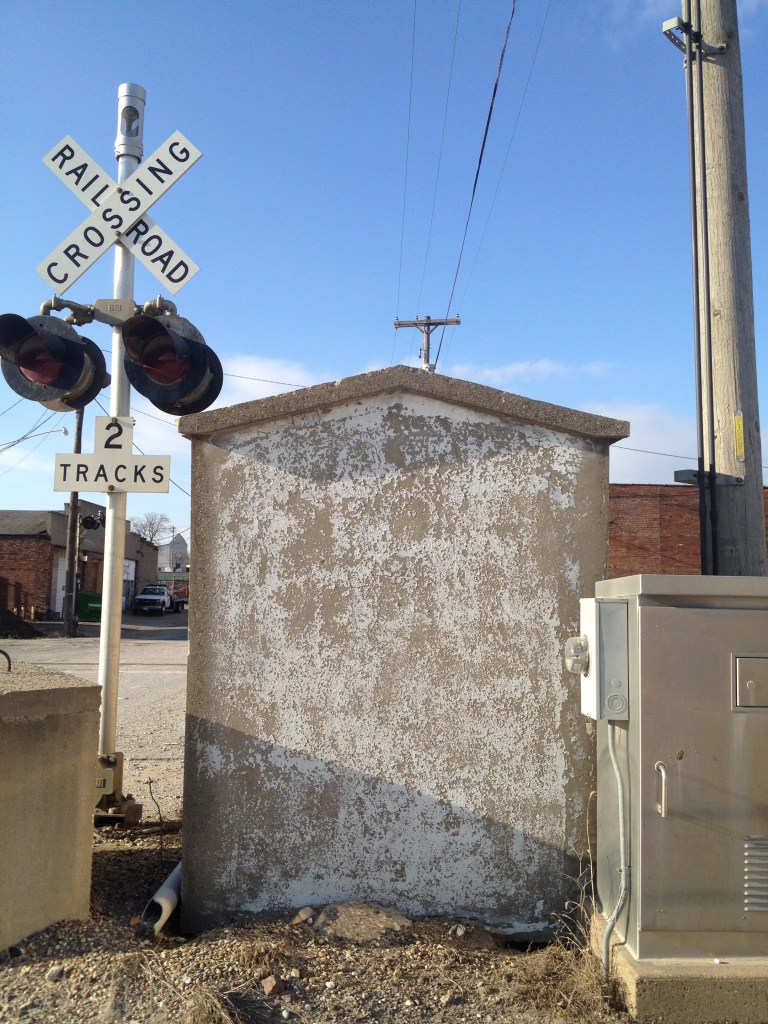
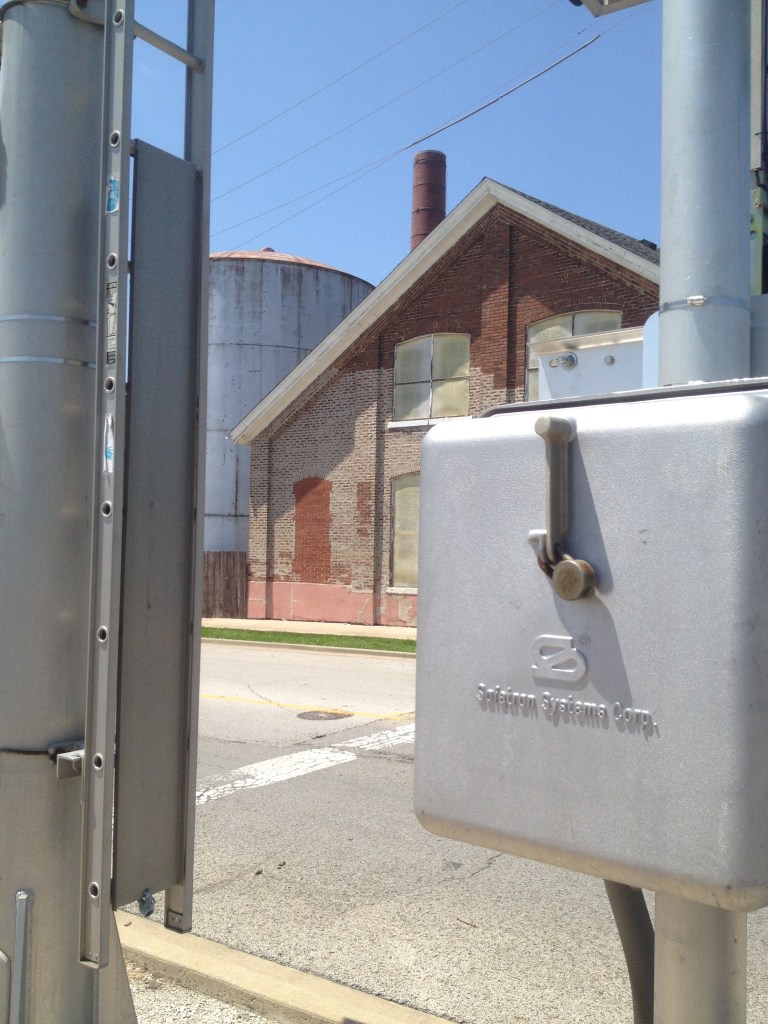

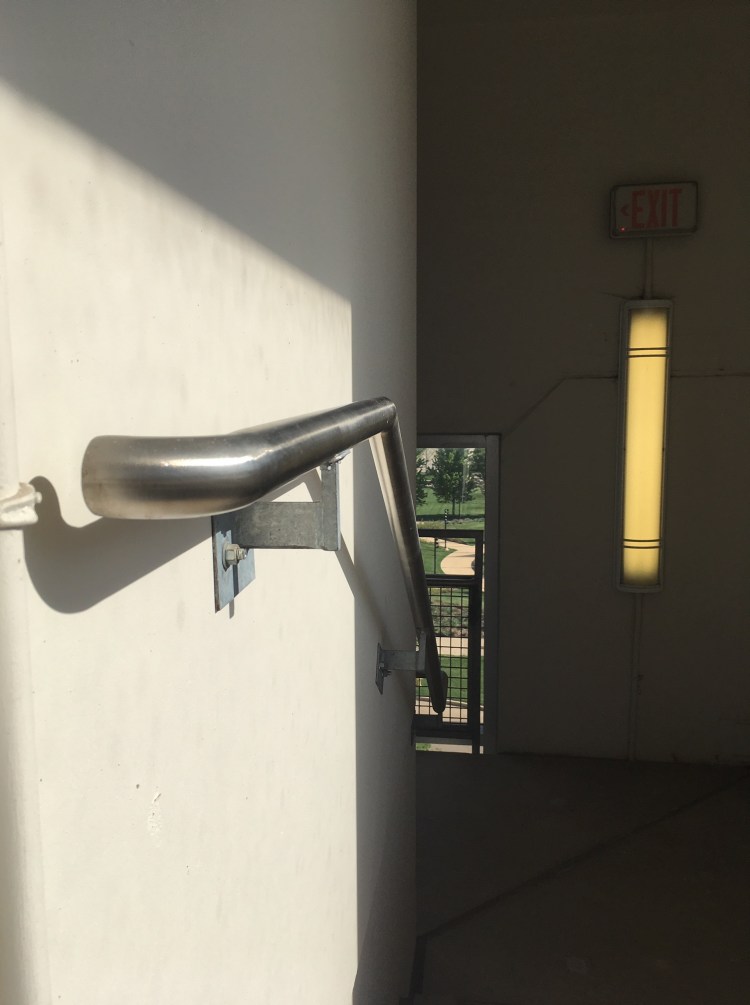
Summer Reading List
Have you ever considered how many great books there are to read? If the printing presses stopped today, there would surely be several life times worth of joyous reading to get lost in.
This amazing possibility, which I have given some thought to, usually brings to mind a companion thought: If I was a trust fund baby, and did not have to work eight or nine hours a day to support myself, I would set two goals to occupy my time.
1: To eat three meals in every city of the world. One at the most famous restaurant, one at the newest, trendiest restaurant, and one at the most renowned food cart out on the street.
As best as I can tell, without making a career out of researching this and only visiting cities of one million or more, there are 267 cities across the globe to eat in. If you eat one meal a day, spent four days traveling there, and to the next one, and did this continuously with out a break, you could accomplish this culinary world tour in about 5.12 years. That is an ambitious time frame no question about it, but possible for the motivated globe trotter full of youth, cash, and enthusiasm. However, it would be an awkward fit with my second goal.
2: To make a list of every book that caught my attention as ‘great’ and read each one one the shaded portico of my tile roofed, stucco walled villa over looking the ocean in the south of France. (Think of Cary Grant playing John Robbie in To Catch A Thief, replace the rosebushes with stacks of books.) I could definitely milk that for a lifetime and then some.
Where am I going with this? To the nine book summer reading list of course.
If you find yourself sitting in an Adirondack chair overlooking the gently rippling waters of a mountain lake in upstate New York, of lounging in a beach chair under an umbrella at the ocean in the south of France, you may need a good book to read before dinner at the lodge, or a long night of roulette at the gaming tables. Here is a list to help you out.
Just one qualification, these titles may appeal more to men then women, though I have known some to be read and enjoyed by female readers.
KITCHEN CONFIDENTIAL – Anthony Bourdain

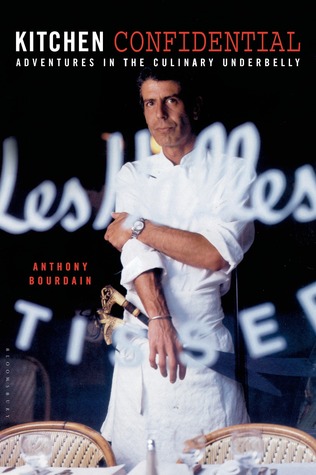

Here it is, the food lovers, restaurant goers, gourmet and gourmand’s essential summer reading. Take it from a chef, this is the way it is in the kitchen. No heavy philosophizing, no post existential deconstructionist, Freudian polluted musing on what it means to devote your life to the craft of cheffing. No, just the a chef reliving the glory days in full story telling mode of the highest order. He is the modern bard of the kitchen, New York version of Francis Parkman exploring the lore and legend of the cookhouses and galleys that crank out millions of meals a day, yet remain virtually unknown to the dinning public. You don’t have to of worked in a kitchen to enjoy the ride.
THE LAST COIN James P. Blaylock

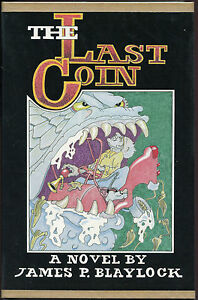

This novel’s unlikely hero, and his know-it-all side kick, are written with much humor. So much in fact, that I laughed out loud dozens of times. Blaylock has honed his skill for writing maniacal dialog. He is right up their with the likes of Stanley Elkin and the Marx Brothers.
He also has a skill at weaving an equally maniacal plot, a conspiracy of biblical proportions and cosmic consequences, that works rather well for a mystery/adventure book that seems to have the primary purpose of making you laugh.
Reading through the first few chapters I thought the humorous style made the novel a bit shallow. But, as I got deeper into the book I changed my mind. These characters are struggling to save the world, or dominate it, no matter how hapless their actions are, or how handicapped by their own foibles they may be.
Perhaps the author got his inspiration from real life? Blaylock’s characters, just like humans, lack sufficient knowledge of the complex situations they find themselves in, but think they have it pretty well figured out. So they go along and make plans to change the out come of their situations; which only work half as well as they intend them to. If a being of vastly higher intelligence were watching the workings of our world, with a similar view of events as the reader has in this novel, it would find most of what we do just as hilarious as Blaylock writes his characters.
If you are looking for a few good laughs and a mystery to puzzle over, you found your next read.
FOOD IN HISTORY – Reay Tannahill
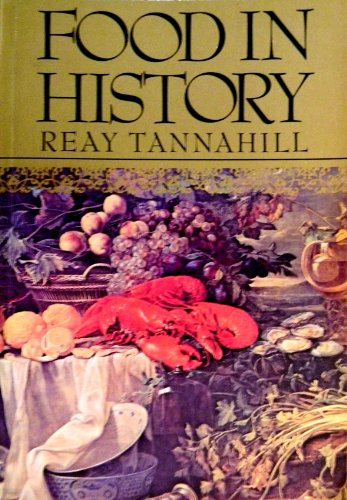

Essentially, the history of food is the history of culture and of human existence in general. This book approaches it’s subject from that prospective. The author touches on multiple aspects of food down through the ages and how it has shaped societies.
Obviously, food effects everyone on this planet; we are what we eat in more ways then one. Yet, most people know next to nothing about the thing that sustains them and its history. Considering how important food is, and every aspect of it, I would think it wise to be knowledgeable on the subject. Tanahill’s well researched and authoritatively written classic is a great place to start.
THE TWELVE CAESARS – Suetonius
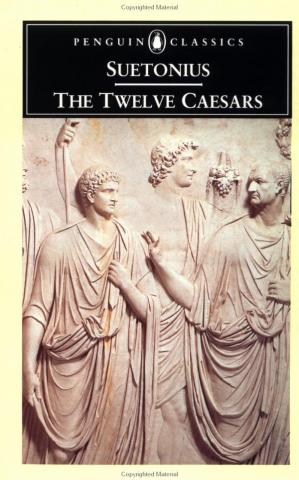
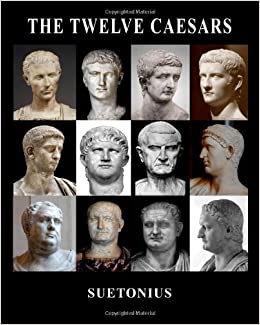
If TMZ, bought Oxford Press, these kind of history books would be all they would publish.
Did you ever want to have a learned, high brow, aristocrat stoop low to dish the dirt on the Greatest Emperors in western history? Then this is your rag to read. It is easy to read, and easy to relate to even though it was penned two thousand years ago.
After all, gossip is gossip.
But I did learn two things from this book, absolute power corrupts absolutely, and Jesus Christ came into the world at the right time to save us all.
THE ARMS OF KRUPP – William Manchester



If you are going to read this entire book on your vacation, make sure you have a month and no plans to do anything. This is as thick as an old fashion telephone book, but a hell of a lot more interesting. Manchester must have done a massive amount of research to write this. It definitely paints a full and detailed portrait of one incredible family of industrialists.
There is a tone of ridicule that surfaces every so often in this book. It is actually funny at times, but I am not sure if Manchester intended it to be that way. It makes me think that he had a contempt for the entire Krupp clan, which he did not have the will power to keep it to himself for the duration of writing these 700 pages. Why would you write a massive tome about a subject you disdain? (Because his publisher offered him a wheel barrel full of green backs to do so?) In any event, this is a very enjoyable book. To follow the history of this family is to follow the history of the steel industry, the arms industry, as well as the history of Germany and Europe, from a behind the scenes perspective.
THE PERFECT STORM – Sebastian Junger

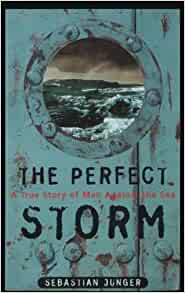

My brother-in-law, a fabulous writer and wit, told me I might like this book. He was right, a white knuckle sea adventure that old J Conrad and Melville would not be able to put down. It is written with a powerful, streamlined style that moves along at a fast pace and keeps you engaged. The most chilling thing about this is that it is true.
THE PINE BARRENS – John McPhee


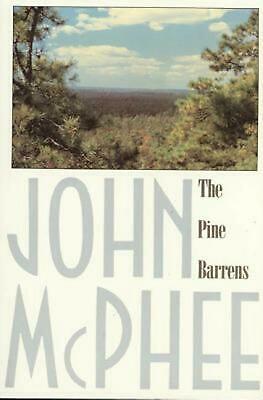
I picked this book, The Pine Barrens by John McPhee, up from Barnes and Noble when I first moved to the Archipelago. It was obviously positioned to sell, being displayed on a table at the front door of the store. It was the first book a shopper would see once they entered. Why B&N displayed it so prominently I have no clue. It was not a new addition, the author had not been interviewed on TV recently, and no new documentary was made of the guy. Strange.
However, I had driven past the pine barrens of New Jersey several times, but never penetrated its foreboding boundaries. I was always rushing to get to the sunny beaches of the Jersey Shore. Perhaps it was my fate to encounter this book.
So, I thought a peek between the covers of this slim volume, might be of interest for a moment or two. There might be some historic tidbit or nugget of nostalgic information worth reading. I had no great hope of finding anything worth laying out money for. Even though the writing was rather plain, it drew me in so I bought it.
Little did I know that McPhee is not just an author, he is a word sorcerer, a grammatical spell-caster, a literary genus in every sense of the word. I never read an author, before or since, who could write an engrossing, intensely interest book about a topic, that on the face of it, is boring to read as an IRS form or one of Biden’s speeches.
How could a writer make something as dull and tedious as thousands of acres of pine trees exciting? Just the title of it ‘ The Pine Barrens’ brings to mind a landscape of mind-numbing monotony. I will leave it to you to find out how; I don’t want to give anything of this book away.
This is definitely a classic in my world. Just writing about it makes me want to dig it out and read it for the third time.
THE BRIDGE OVER THE RIVER KWAU – Pierre Boulle

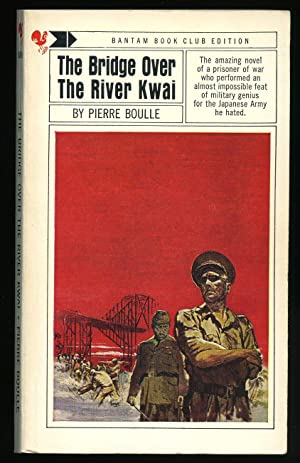

One Friday night my friend and I were having a few beers at Peter McManus Cafe on 7th avenue in downtown Manhattan. I was complaining that I had read a string of mediocre books and was losing faith in the writing talent of the human race, or, I was loosing my knack for finding enjoyable books. The next time we went out drinking he gave this book to me.
It is an odd novel in the fact that it reads like a long narration of Boulle describing the novel he wants to, or was going to write. Maybe that oddness, that strange narrative style, is what made it work so well.
THE CURSE OF LONO –
Hunter S Thompson & Ralph Steadman
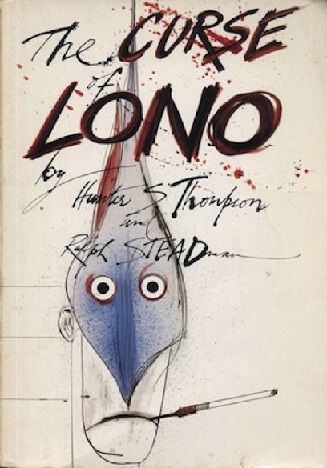
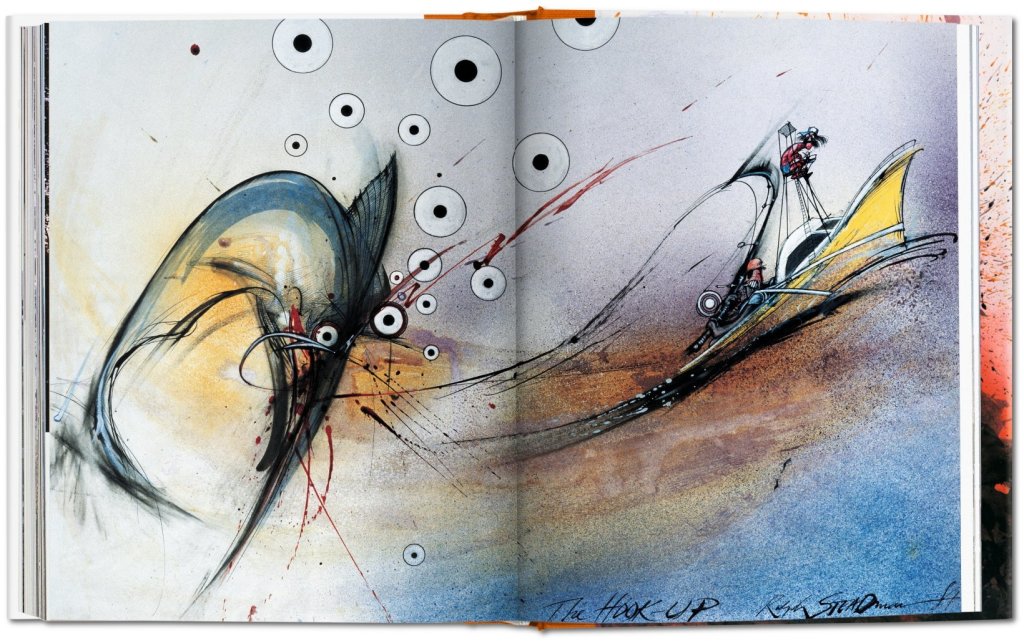

I saved this book for last because I do not want to scare the faint of heart. The combination of Hunter S. Thompson and Ralph Steadman can permanently injure the physic centers of those unfamiliar with their twisted world view.
I don’t approve of what was Thompson’s lifestyle, or much of his politics, but I do admire his writing style. It is a strange and powerful literary elixir for sure. He has a rolling, stream of consciousness narrative with a dark edge of paranoia that puts him in a separate class of American writers. When I read the darkly rhythmic, alliteration, of Poe’s The Raven I think of Thompson. For me, he achieves the same effect, not with words, but with the repetition of ideas and images.
In The Raven and Curse of Lono, there are two common themes. Poe classic poem examines the narrator’s obsession with his lost love and how it adversely effects his thinking. Thompson shows the same effect through personal observations on his constant efforts to procure, and us, recreational chemicals; or more accurately, the gleefully abuse of said chemicals. This may done inadvertently on Thompson’s part due to his compulsive honest with his audience.
Both authors touch on a second theme as well; how larger, cosmic forces are at work to manipulate and antagonize the narrator in the Raven, and Thompson on his travels to, and around Hawaii.
They are kindred spirits in method and subject.
Steadman’s illustrations are a perfect match for Thompson’s writing. Whoever hooked these two up should have gotten a casting award at the publishing equivalent of the Oscars.
If you want to step into one man’s intellectual maelstrom, and ride his run away roller coaster, whirling dervish, tarantella inspired commentary, then Curse of Lono is the dark door to enter.
There you have it, your summer homework assignment.
Happy reading!
Smoky Lentil Soup



On the 19th day of April the nights were frosty again in the prairie archipelago, and, we had a morning snow storm, as if to emphasis the point. Two weeks prior we had one day with a high of 80 degrees. This made me realize that I still had time to post a winter soup recipe. Here is my spin on an old classic. ( Look under the soup tab. ) I have been using this recipe, in one form or another, since the 1980’s when I graduated from cooking school.
If you are not a meat eater, I have a few suggestions to keep it delicious without the smoky pork bits – ( we aim to please at Prairie Beacon! )
No matter how bad your day gets, cooking can make it better.
I hope you enjoy it!
SPRING CELEBRATION IN STAMPS








HAPPY EASTER
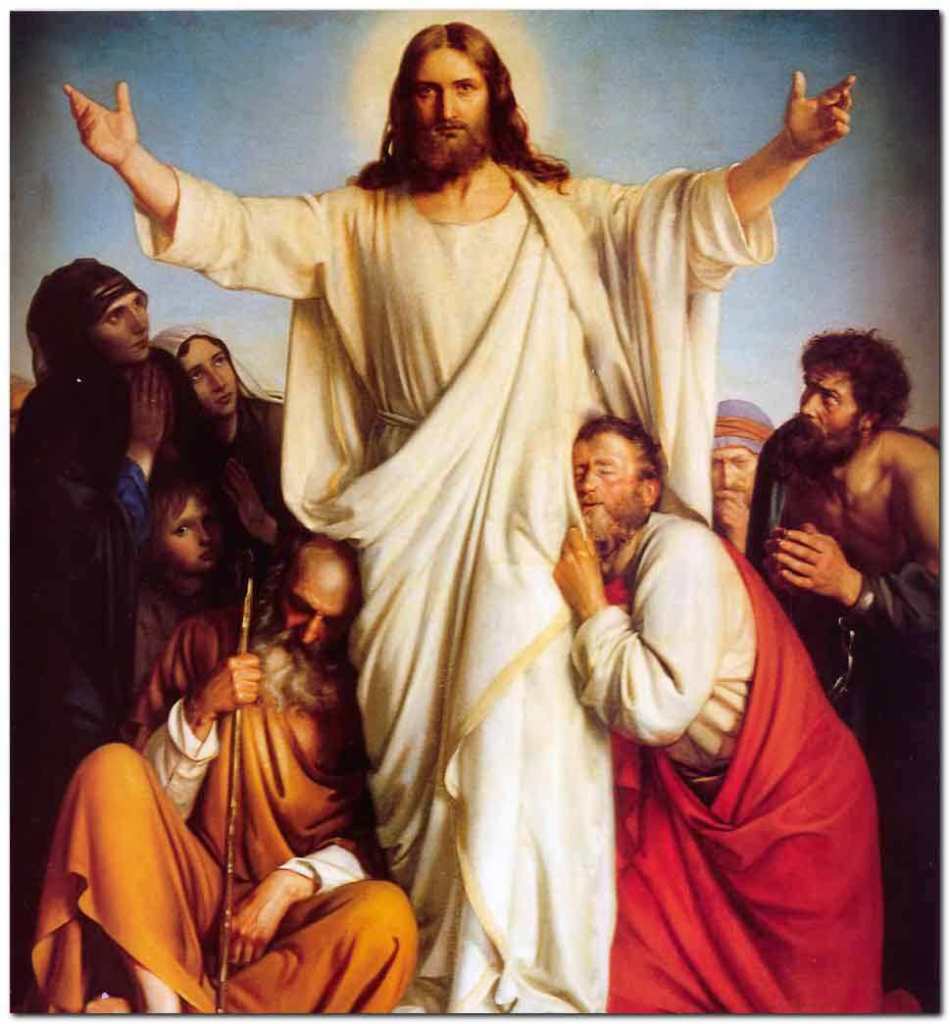
“Salvation is found in no one else, for there is no other name under heaven given to mankind by which we must be saved.”
acts 4:12
REJOICE !
Reflections on being a Father
1
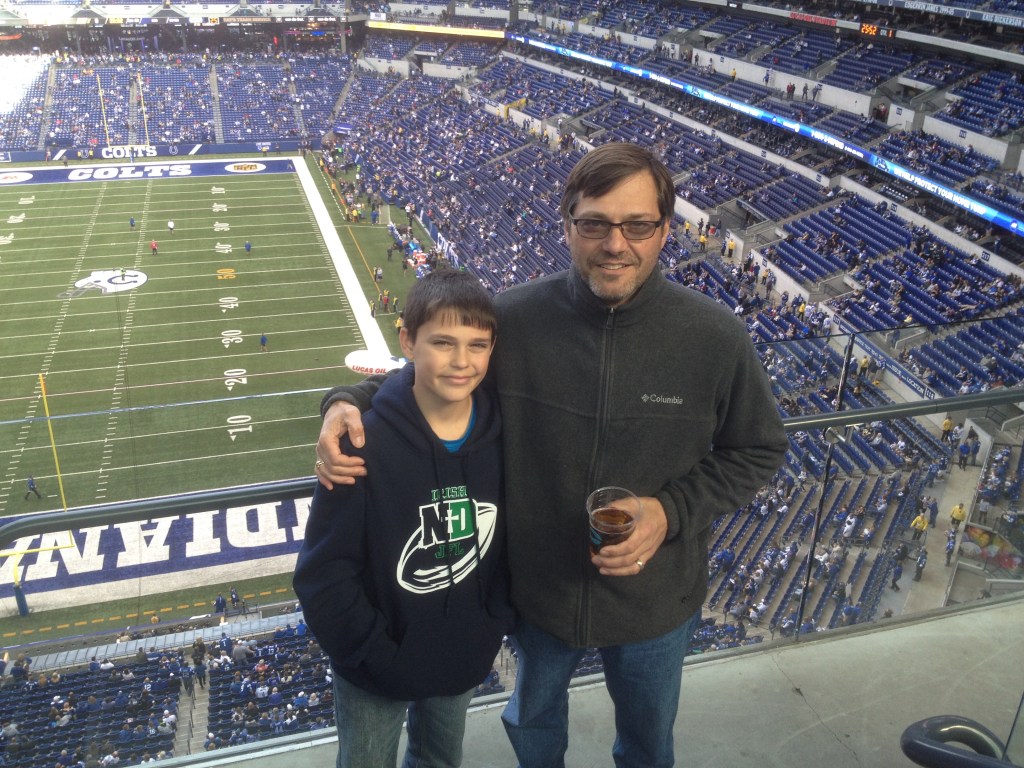
There are few things more important for a boy to become a man then his relationship with his father. A father is there to develop in him all that is good, minimize what is bad, and sooth what threatens. There are few things more important to make a man complete then to do this for his son.
2
One responsibility of a father to his sons and daughters, is to show them a constructive example of power and masculinity by always taking responsibility for his actions, building bridges between people, and above all, defend what is right and just.
New Dessert Recipe

Bananas 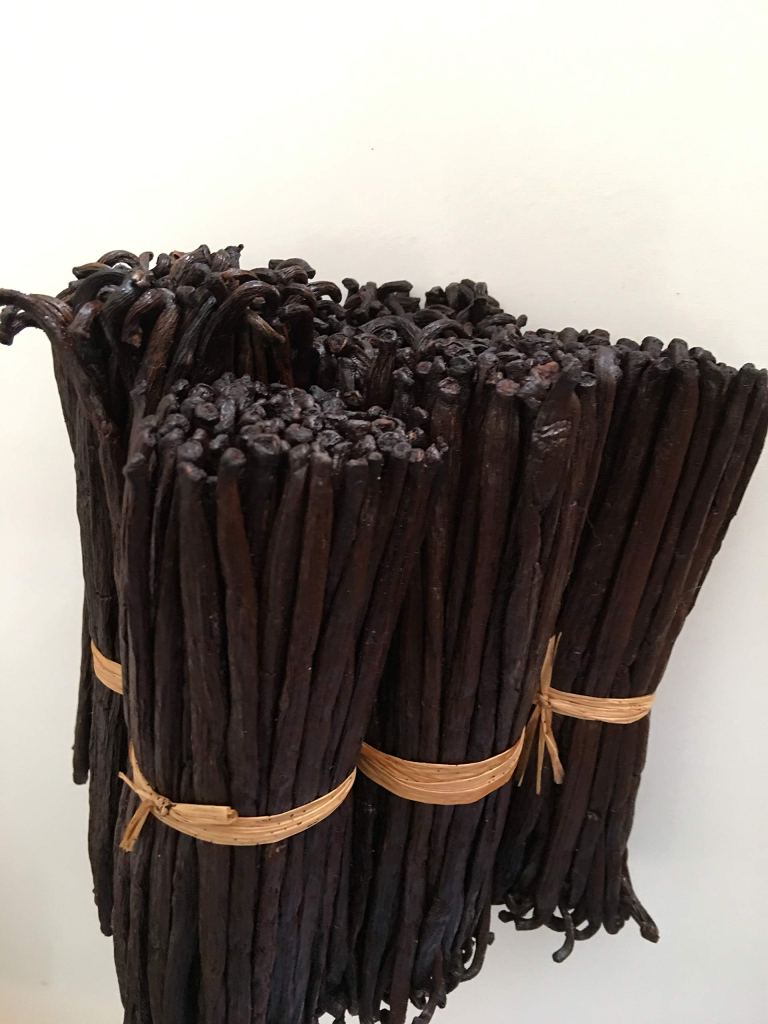

What do these three ingredients have in common? They are part of the Banana Creme Anglaise recipe added to the dessert page.
Check it out!
Often Copied, Never Duplicated

RUSH HUDSON LIMBAUGH 1951 – 2021
American Patriot
God bless you Rush, you will be missed.
Thoughts About The Mind, Change And God
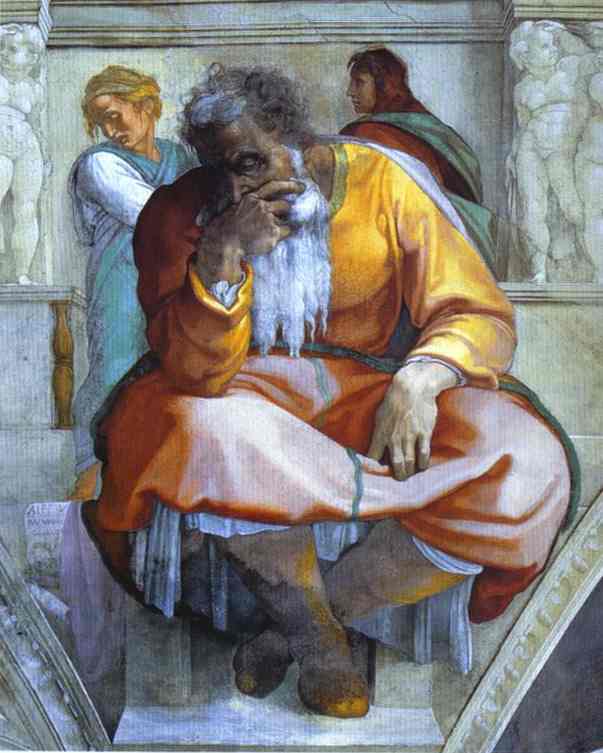
Writing in my journal this morning, I realized that the first mystery we encounter is our own mind.
We use it continuously, study it at length, yet we know so little about how it works.
It is the greatest, unsolved mystery and it is what we are!
Neuroscience cannot be an easy field of study. The complexity of the brain is that of the entire universe, if it was residing in a space the size of a coconut.
What little I know of how the mind works is strange indeed.
Consider this; the universe makes countless stars and planets, black holes and nebula, based on it’s enormous, ever increasing scale. It is so large we will never know its’ limit.
But the mind creates a universe of infinite size within itself. Can we count the number of thoughts, memories and awareness we made, found and lost? We also do the same in the minds of others. Yet the brain is infinitely small in comparison to the universe, and never changes in scale.
The contradictory nature of the brain, and our relationship to it, led me to think that perhaps, contradiction is what the physical universe is based on.
If we did not have the contradiction of two forces working in opposition to one another, there may never be change in the universe.
If the the universe did not change then time would not exist, or the history of anything for that matter.
The universe needs some form, some level of contradiction.
So, is change the only constant in the universe?
It maybe, but to say that seems like a contradiction too.
What if at some time, past or future, the constancy of change has or will, itself change.
Would that have to happen to make true the statement that the only constant is change?
Which lead me to yet another thought; change is not the only constant, the nature of God, the God of Abraham, maybe the only true constant in the universe.

Consider the characteristics of God.
He is eternal in nature. He always existed, exists at this moment and will exist for eternity after this moment – simultaneously. He is pure existence.
He resides inside and outside of time as the prime mover, the being that created all that is.
The added bonus of being eternal, and the creator of all things, is that he has knowledge of all things and at all times in which they exist, have or will.
If this is the true nature of God, then change is not the only constant in the universe, God is.
Over time, all things change but God does not.
He is the unchanging thread that runs through the center of an ever changing universe of time and space.
Tomato Soup w/Potatoes and Peas


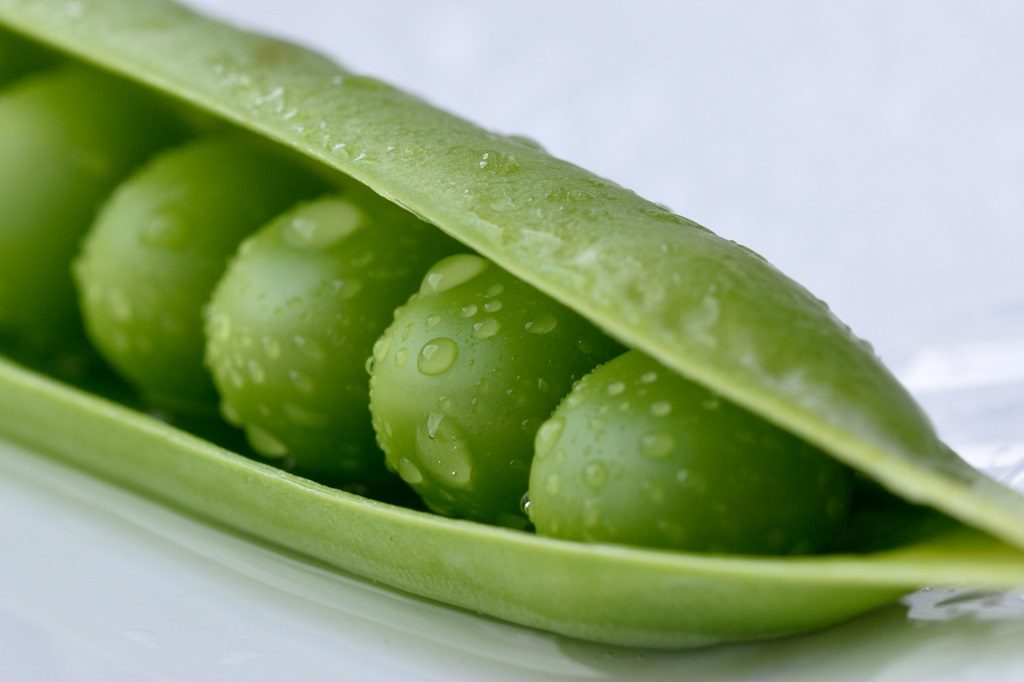





I was in the mood for tomato soup the other day, but I wanted to make it differently then my usual recipe. To get inspired, I resorted to the method I used when I was a professional chef. I opened up the refrigerator and looked over the ingredients. I just let my mind wander over the items on the shelves. As I thought about their aromas, textures, and tastes, ideas bubbled up in my imagination and I wrote down the out line of this recipe.
This is what I came up with. I hope you try it and enjoy it!
2ea. 28 oz cans of tomatoes peeled in juice + 3-4 ounces of water.
3ea. Cloves garlic
4-5ea. Yukon Gold Potato
1ea. Medium Size Carrot
1ea. Large Yellow Onion
4-5T Olive Oil
4-5T Vegetable or Soy to brown potatoes in
3ea. Bay Leaves
1ea. Large Oregano Sprig
3ea. Large Basil leaves
1/4 Bunch Flat Leaf Parsley
2oz Green Peas
Ingredient Prep: Puree tomatoes, peel and dice very small the carrots and onions, peel and cube large the potatoes, peel then crush the garlic, rough chop the oregano and the basil.
Cooking Instructions:
- Brown the crushed garlic in the olive oil. Set aside when done
- On a medium heat, lightly saute the carrots and onions in the same oil, stirring constantly. When done add back the browned garlic, also, the pureed tomatoes, oregano, and basil leaves. Bring to a simmer. Spoon off most of the foam that may rise to the top of the soup. Cook for 15 minutes.
- While the tomatoes are cooking, brown the cubed potatoes in the vegetable oil. Work them frequently so they don’t stick. After the tomatoes have cooked for 15minutes add the the browned potatoes and peas. Cook until the potatoes are soft.
- The last five minutes of the cooking add the flat parsley, stems and leaves. You can tie it in a bunch so it will be easy to remove later. Make sure it is completely submerged.
- Season to taste. Remove the parsley when serving the soup.
- A toasted slice of crusty Italian or French bread and lite red wine, are a perfect match.
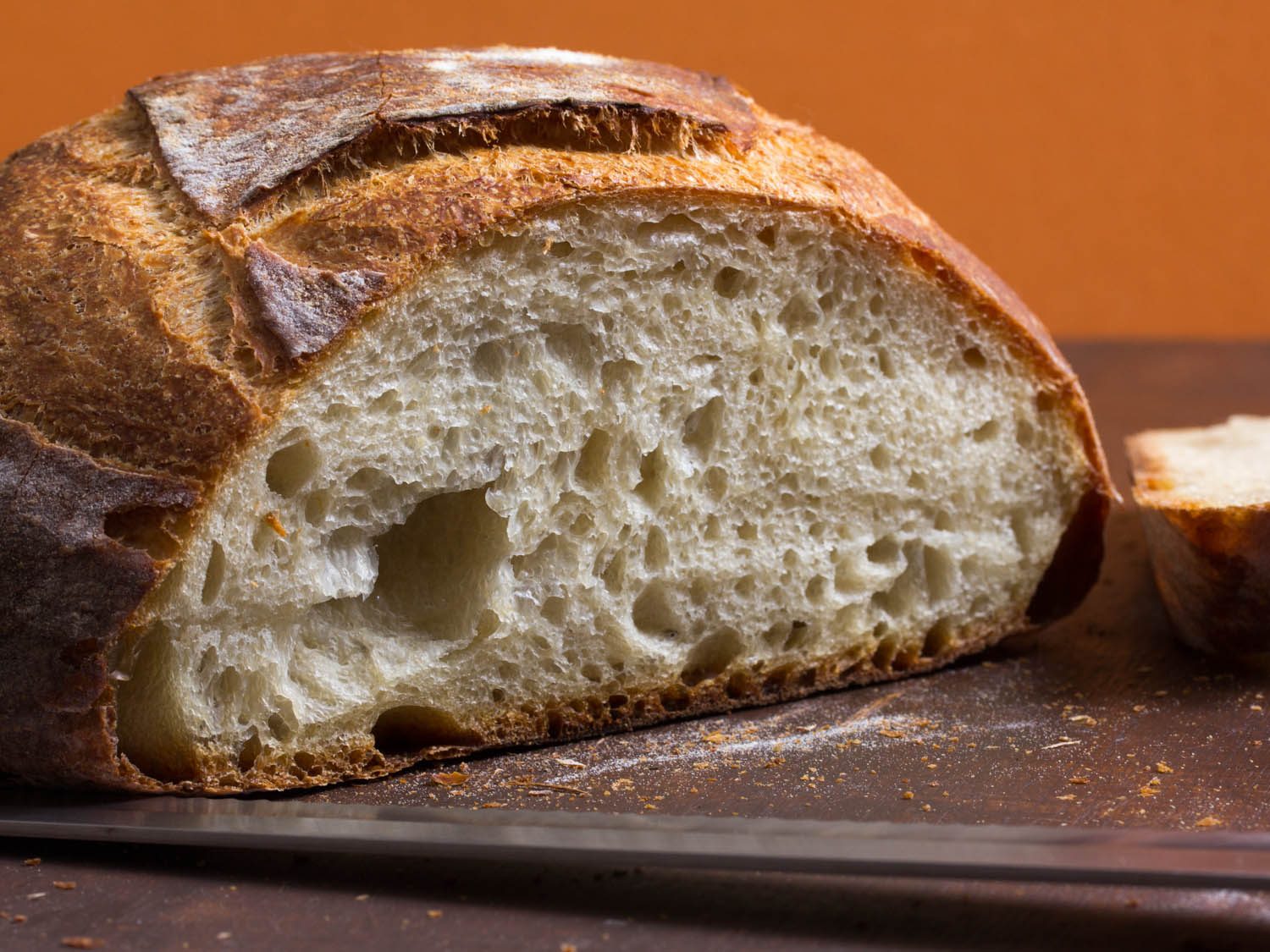
Notes on Coffee Before Sunrise
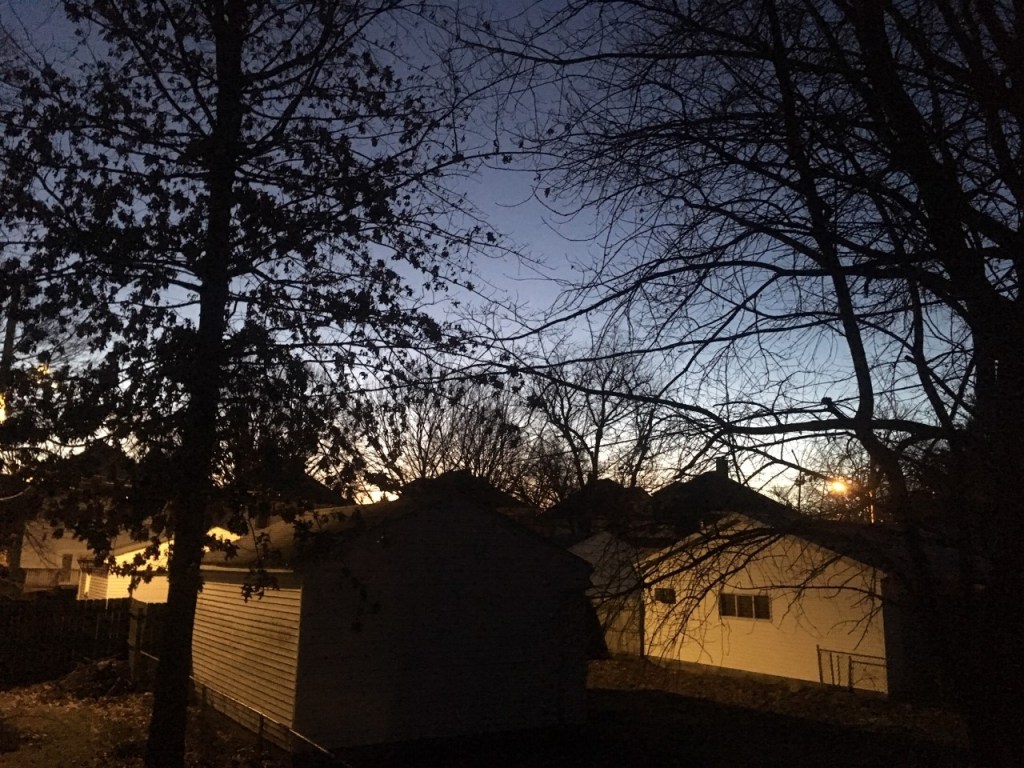
Crows calling
in the deep blue/black, star filled dawn;
invisible among the bare tree crowns and frosted roof tops.
Restless, wrathful
the dark id side of night’s sweet slumber.
A drunken mob fleeing
from what they have done
searching for another.
Fleeing above the here and there house lights,
the glittering pearl sparkle in a black
ocean vast but fading
before the rising tide of morning.
The Lessons of the Seasons

Winter has made the Archipelago a barren landscape of ice and snow. Gone is the smell of summer rain, the microbial magic in the dew covered soil of the garden and the floor of the woods. The carefree bird song and warm summer breezes no longer play like music in the leafy crowns of the trees outside my open window.
This morning I saw the grey squirrels huddle on the bare branches. I watched their desperate digging deep into the lean times of January, to find one small acorn. A meager meal buried beneath Octobers fallen and forgotten colors.
It is easy for my mind to turn gloomy and my heart to grow empty when the world is cold and dark. My world becomes very small when the divide between warm shelter and the frozen landscape outside is sharply defined.
Prayer has always gotten me through these bleak and barren months. It is my hour of laying in the grass and watching the clouds roll by, which I carry with me through the day.
But watching the squirrels digging in the snow I was struck by the fact that the change of the seasons could be thought of as four lessons on the full arc of a human life.
Spring is our youth, a time we learn about what we are and what the world around us is. We watch, do and learn, take instruction from those who came before us and discern how these two halves fit together.
Summer is the first season to go out into the world and use what skills, talents, and wisdom we have developed in spring. Still learning but mostly doing to accomplish.
Autumn is a time to collect up and store the results of applying our talents and wisdom in the long days of summer work.
Winter is the lean time of old age and death. The harvest of our efforts, which we developed in spring, applied in summer, gathered and stored in autumn. What we have accumulated is the foundation of our comfort in old age. It determines our place in what lay ahead.
“As long as the earth endures, seedtime and harvest, cold and heat, summer and winter, day and night will never cease.” Genesis 8:22
“He has made everything beautiful in its time. He has also set eternity in the human heart; yet no one can fathom what God has done from beginning to end.” Ecclesiastes 3:11
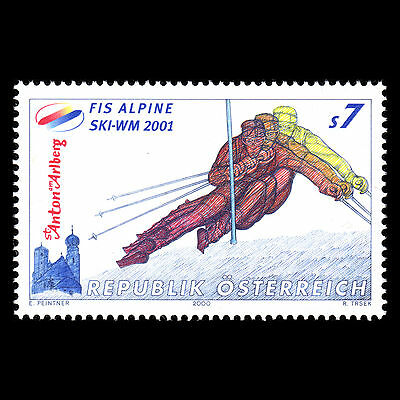
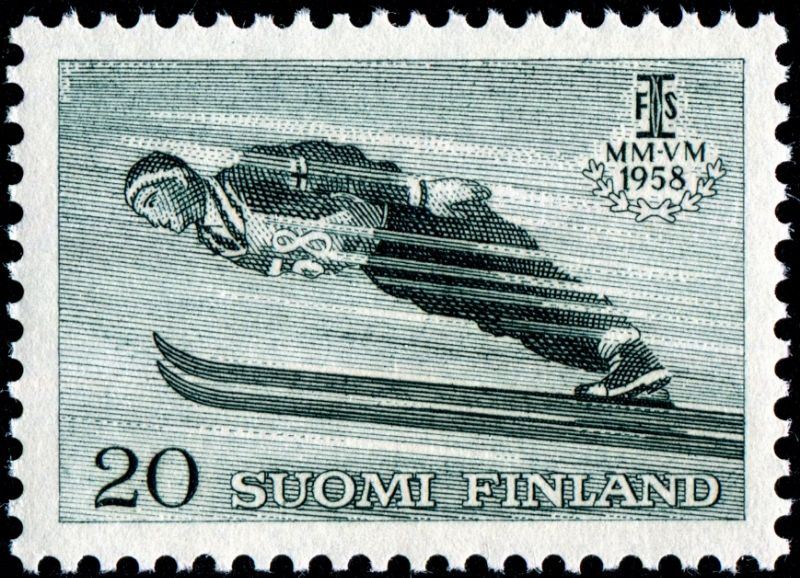
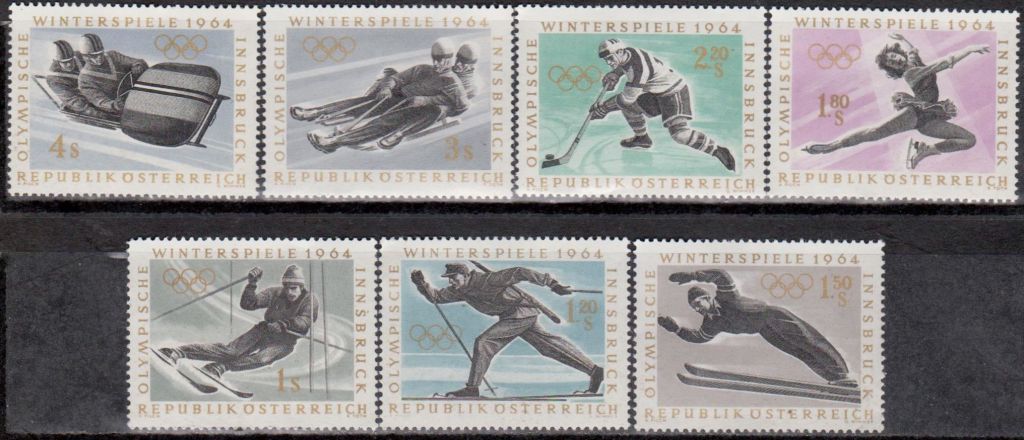
Winter Celebration in Stamps










Notes on Separation
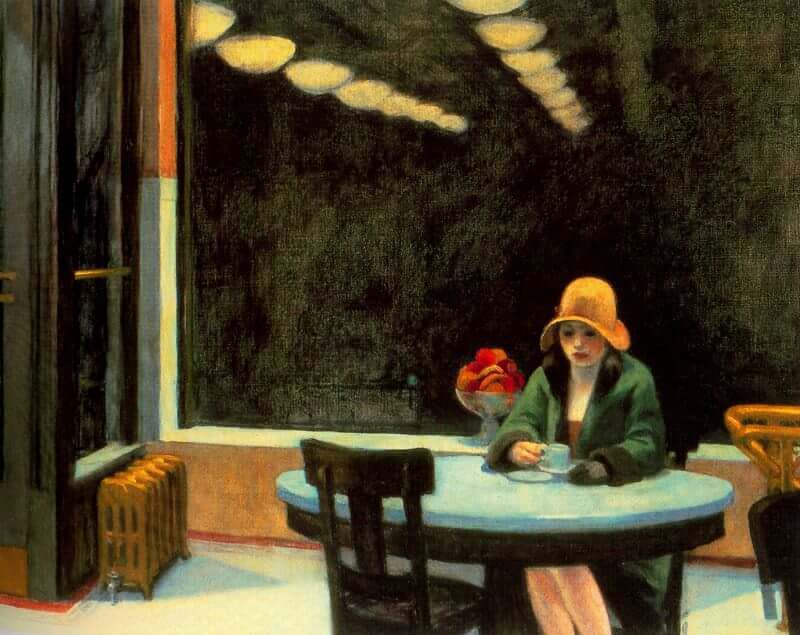
Most often, we don’t know what we really have until it is gone.
I was reminded of that when my adoring wife left the Archipelago to visit her mom; who was recovering from dental surgery. We enjoy each other’s company and spend a lot of time together. If someone’s absence is going to leave an empty space in my life it would be her’s.
Texting and telephone calls can connect two people, but it is no replacement for being together in the same room.
When I was writing this, a similar situation came to mind. It is not on the same level as my sweet heart leaving town, but it did change my thinking about lose. A small change of thinking, but one that made a big difference.
One time I had dropped off my car for repairs at the mechanic’s garage, which is on the other end of the city from my house. I had to take the bus back home. A ten minute trip by car turned into a 40 minute trip by slow poke public transportation; with the added bonus of unwanted entertainment from a few ‘colorful’ passengers. On the ride, I realized a few items were needed from the grocery store for dinner. For that, a two minute car ride to the store would be a fifteen minute walk. As the bus lumbered along the emotional space of lose, created by not having my car, just got bigger and emptier.
For that entire day my life was defined by what I did not have. It had become the context for what was missing; which was not right. When I finally got home I was determined never to think that way again. I would never define myself exclusively in negative terms.
The root of my attitude change was not the lack of independent transportation, but a lack of appreciation. I lost sight of the fact that I had many other good aspects to my life beside my car, because I was focused on the aspect I lost. Consequently, I created that empty emotional space and put myself in it. It was unnecessary and I did not enjoy it either.
Being the practical sort, I made a mental list of all the positive aspects of my life. The next time I moved my thinking into that emotional space of lose, I would use it to remind myself of all the good things I had.
After I made this list I found that the most positive things on the list, and the ones that made the biggest difference for me, where the people I had relationships with.
Seeing that I had a good number of people who were a positive influence in my life I wanted to make sure they knew I appreciated them. I made it a point to show them that more often.
Over time I realized that showing appreciation was reaffirming my love for them. It acknowledged a positive bond between us which gave me joy in good times and strength in hard times.
Even after this emotional change, I still miss my wife when we are apart for a few days. But appreciating her every day, and all the other good people in my life, made that lonely space much smaller. A part of appreciating is focusing on the time I had with her and not pine over losing time with her.
Like anything you want to change in your behavior, it is a process of improvement. I have to work on it everyday to make that space as small as possible, and I don’t have to be an example of not really knowing what I have until it is gone.
After making that list I came up with a recitation; a point to focus on to keep me moving in the right direction. These kinds of reminders work well for me.
Improvement is the first step to perfection, as long as you keep walking.
Thoughts on Creating

In the past, when I wrote something that received compliments, that for me was a rare and beautiful creation, I felt really good about it. But that joy was mixed with feelings of anxiety too. Now that I had set the bar on a higher peg than usual, by working and achieving what I set out to do, I felt I had to continue that level of performance, or surpass it.
That anxiety arises from the fact that inspiration does not come along everyday. To consistently connect to the deepest, truest levels of imagination and creativity, and pour that out across the page, has a time table of completion I have little control over.
Lately, I have come to terms with this anxiety. I now see it as the natural state of the healthy, creative mind. It is constantly embroiled in the battle between mediocrity and perfection. The creative mind exists to dig into that deeper level, struggle to perfect the creation it makes from what it finds there, and put it out into the world for others to experience. That is the particular instrument God has made them to be.
To embraces this understanding, and fight that battle with gusto, is to live the creative life to the fullest.
A New Day

There was a glorious sunrise over the Archipelago on the seventh day of Christmas.
Vibrant shades of crimson colored the sky behind the branches of the leafless trees and the angles of the rooftops still filled with night and silence, the dreams of sleepers in their beds.
When I opened one of the small windows in the dining room to look at it, a lone crow was calling in the distance.
I watched it fly for a moment, a fragment of the fleeing night against the morning colors and the curling columns of woolly white chimney smoke.
Morning time, the deep time when the quietude of the world pours into the mind and the soul. It connects me with what is important in my life. What I often overlook in the busy day that follows.

That moment made me realize that I am blessed.
That all things in my world are in their right place.
That the start of that day, and every day, is another opportunity to improve, perfect, accept, forgive or achieve.
That I should be grateful for each day and take advantage of every minute.
Thoughts On Christmas Day

Two thousand and twenty years ago Christ was born during the era of the Roman Empire.
Even in the best of times, life for most was difficult beneath the crushing weight of tyrannical rulers who were to be revered as gods.
The state was the center of a citizen’s life and war was the ways and means of its’ prosperity.
But in the darkest hour of night is when the brightest light will shine.
On that day the God of Abraham, Issac and Jacob had set His light in that darkest hour.
Now is the time to follow its brilliance, for the Savior of the world, the King of Kings, lays beneath it!
He is the one true God.
His word is the center of our lives
His love is our prosperity.
Rejoice, repent and follow Him, for the kingdom of heaven is at hand!
A Blessed Christmas To You and Your Family

“For God so loved the world, that He gave His only begotten Son, that whoever believes in Him shall not perish, but have eternal life.”
John 3:16
Thoughts On The Shortest Day Of The Year
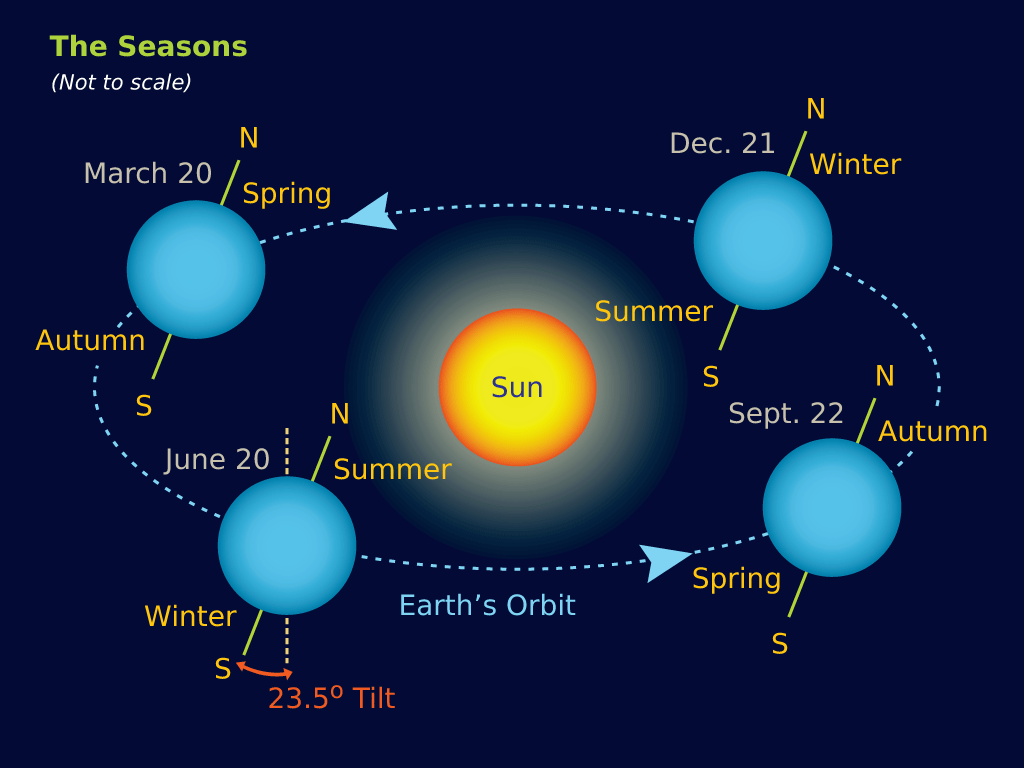
Since the longest day in summer, night has been reaching further and further into day as it makes itself longer and longer.
Until yesterday.
Now on the longest night of winter, day has it’s turn to reach further and further into night, making itself longer and longer.
Every year the same dance between day and night, light and dark, hope and despair. Lived out against a backdrop of clouds coming and going, leaves blooming and dying, the constellations rising and setting round and round the immobile star of the pole.

We grow and harvest our crops by this dance, set our clocks to it, measure the length of our lives with it. We are creatures of habit by design. Driven by cycles, some we know and some that remain hidden.
We stand at the center of turning cycles, concentric in design, ceaseless in motion. Some we dance with moment to moment, others turning so slowly that our time to dance will never arrive.
Big or small, fast or slow, known or hidden, these are the invisible gears that move our lives through time and space.
Post Cards From The Archipelago – Glass and Light #4
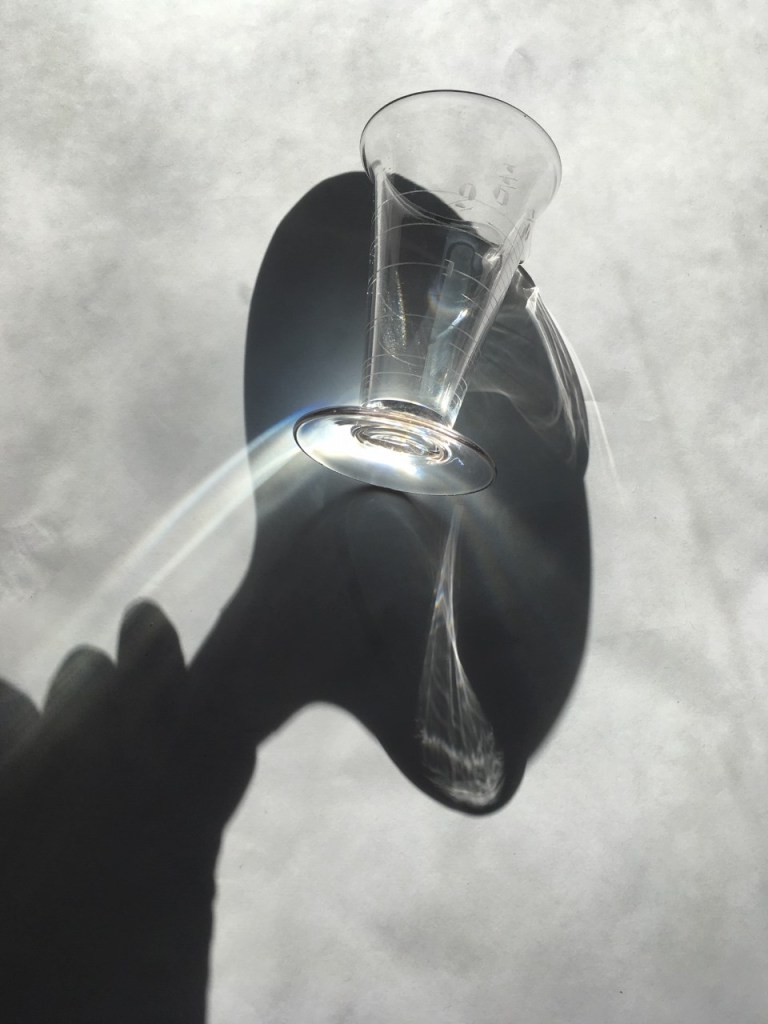


A Day In St. Louis – Part 2

After the art museum we decided to have a late lunch and ended up in a calzone shop in the Tower Grove neighborhood; Sauce On The Side. Nothing like good food and good beer to keep a hungry tourist going! I will say this, I was not hungry after eating that calzone, it was big.
Next stop on our day trip was the Missouri Botanical Gardens. Since it was too cold to see the landscaping and the flower beds, it may not have been the best choice. Also, I was not sure if the varieties in the greenhouse were extensive enough to make the price of admission worth while. However, it was Rebecca’s idea so I did not share my thoughts. But on the ride over she talked about the full size tropical trees in the green house, which changed my mind.
When we pulled into the parking lot I saw that the new, ultra modern visitors’ center was still under construction. Judging by the architect’s renderings I saw online after our visit, we would walk though a small part of that new structure. Despite that area being simple in design, the interior was an interesting division of vertical and horizontal space. The first room evoked a sense of vertical spaciousness, with it’s tall walls, large windows and the light colored materials used in its building. The next room, where the ticket windows are, opens up horizontally and achieves that same open feeling but in opposite direction. I hope this engaging division of the interior space is used through out the entire building. If so, there might be another building in St. Louis to make my favorites list.
The old visitors’ center is next to this building and is slated for demolition. Currently, it houses a Dale Chihuly glass chandelier; which will be relocated in the central glass atrium of the new structure. If you are in the city when the new visitors’ center is completed, just seeing that chandelier is worth a trip over there. I have seen many of Chihuly’s glass sculptures and they never fail to impress and amaze.
The path we took to the indoor garden, or the Climatron, gave me an interesting view of the grounds exposing the layers of architecture that were added over the hundred a fifty eight year history of the institution.
When I left the new visitors’ center, a modern space designed with modern thinking and built with contemporary materials, I was confronted with the old greenhouse, a vintage structure built in the early 1900’s. Its tall windows with their multiple rows of small glass panes, and set in a rough exterior of dark red brick and white mortar, had a vivid contrast to the tall seamless expanses of glass set in the shiny metal walls of the visitors’ center. In one respect, the new visitors’ center was an updated version of the old greenhouse.
Then I approached the Climatron which was a short distance up the path.
When it was built, this structure was also ultra modern in every way. Now it looks dated and old fashioned in its own way.
It is a geodesic dome with a design sensibility straight out of the green movement of the 1960’s. To put it in a cultural context it has California commune and Bucky Fuller futurism written all over it. It reminds me of the biosphere space station from that forgotten 1972 Sci Fi film Silent Running.
Even its’ name, Climatron, has a 60’s sci-fi feel – Ultron, Atavachron, to mention a few others names from the distant past of my childhood.
Seeing the Climatron immediately after the old brick building was not just a vivid contrast but a jarring one. Unlike the first architectural contrast I encountered, the shape as well as the materials used to build this unique dome like structure, were completely different from the long brick green house of sixty years before.
One employed spherical proportions in its design and an intricate aluminum exo-skeleton framing triangular acrylic panels for its construction. The design and the materials developed in the 20th century.
The design of the other was based on square forms and constructed with small blocks of baked earth stacked up and held in place with mortar and supporting traditional steel roof beams and window frames. Everything that went into making this structure is has been used for centuries.
Probably the only architectural feature these two buildings have in common are the shape of their doors.
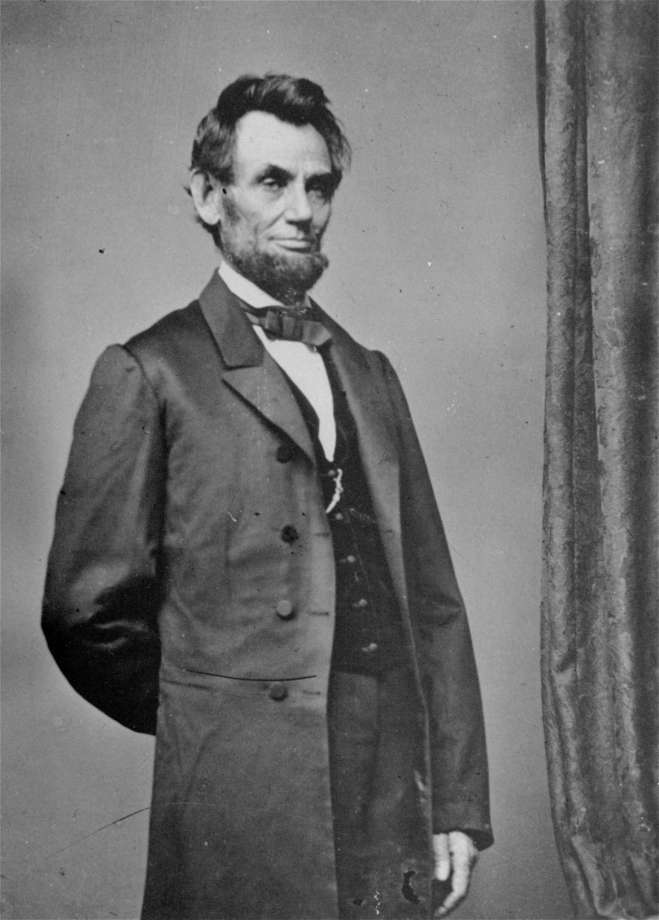

It was like looking at Abe Lincoln standing next to Captain James T Kirk. (!)
It also made me think that advancements in technology and engineering continually change the look of everything; just as much as the changing design sensibilities of the next generation of designers and architects do.
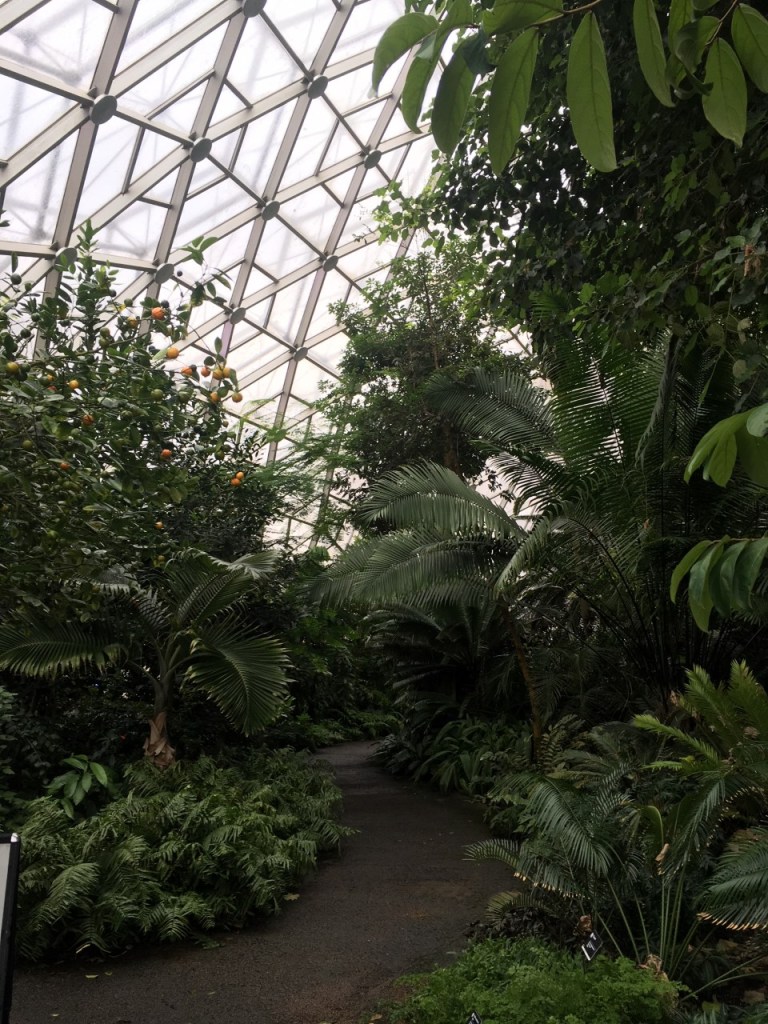
Stepping into the conservatory the dry, chilly air of late autumn was replaced with the heavy, moisture laden air of the tropics. We were shaded by full grown trees and surrounded with dense green foliage replete with strange and wonderful flowers, the likes we had never seen before. Flowing through this super sized terrarium was a stream with a waterfall as well as small pools supporting a variety of water plants. I even saw a big gecko clinking to the side of a tree like a garden decoration and heard a bird calling in the canopy above.



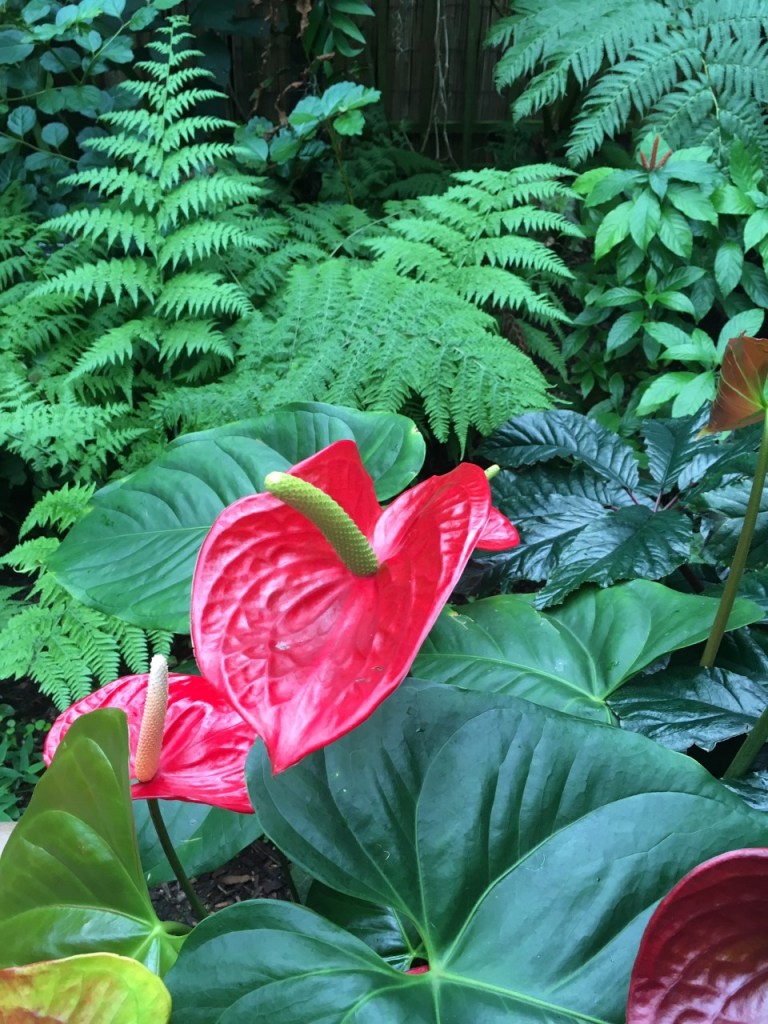
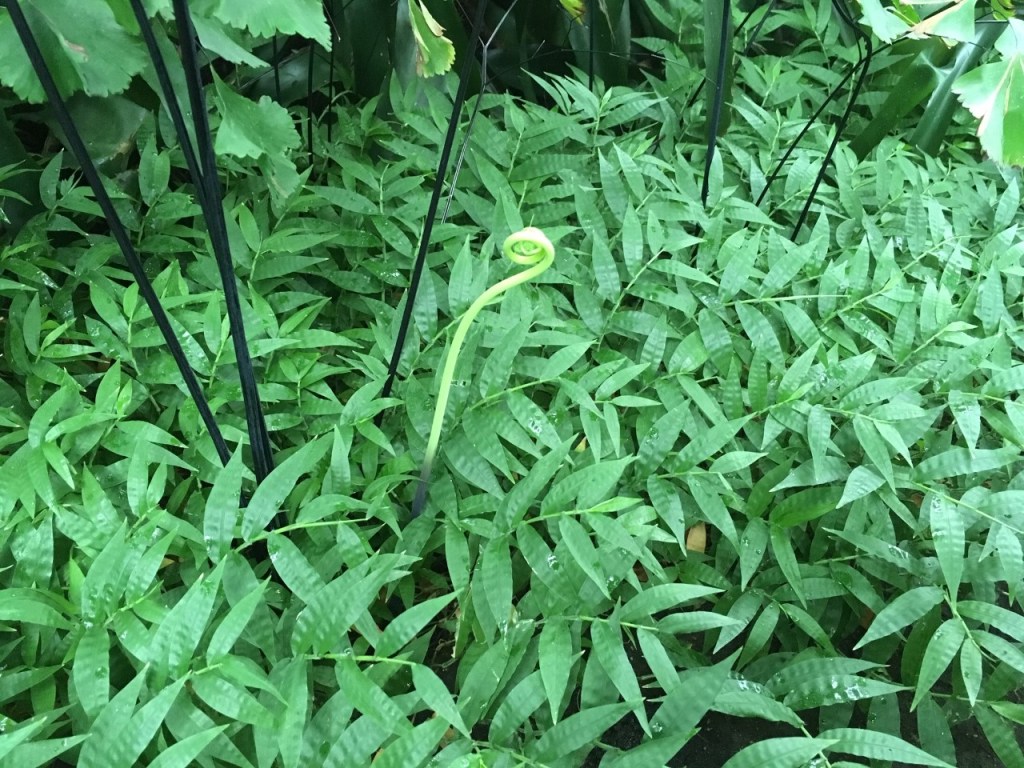
For the better part of an hour we walked the path at an unhurried pace and stopped frequently to take photos. Beside us, there was only four visitors roaming through the place, which made me feel like I was exploring and not just visiting.
After our visit to the botanical gardens we had some time before our dinner reservations at a sushi place named the Drunken Fish. It is near Forest Park, not far from the art museum. It is also near the De Baliviere, a neighborhood packed with lovely historic houses and majestic old trees. Several blocks of this area comprise a gated community and the streets are considers private property. It also has two private swimming pools and two private tennis courts exclusively for the use of its residences.
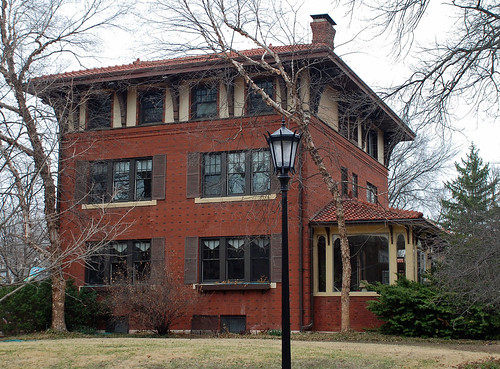
This area was made fashionable for residential living by the 1904 worlds fair; which was located in Forest Park.
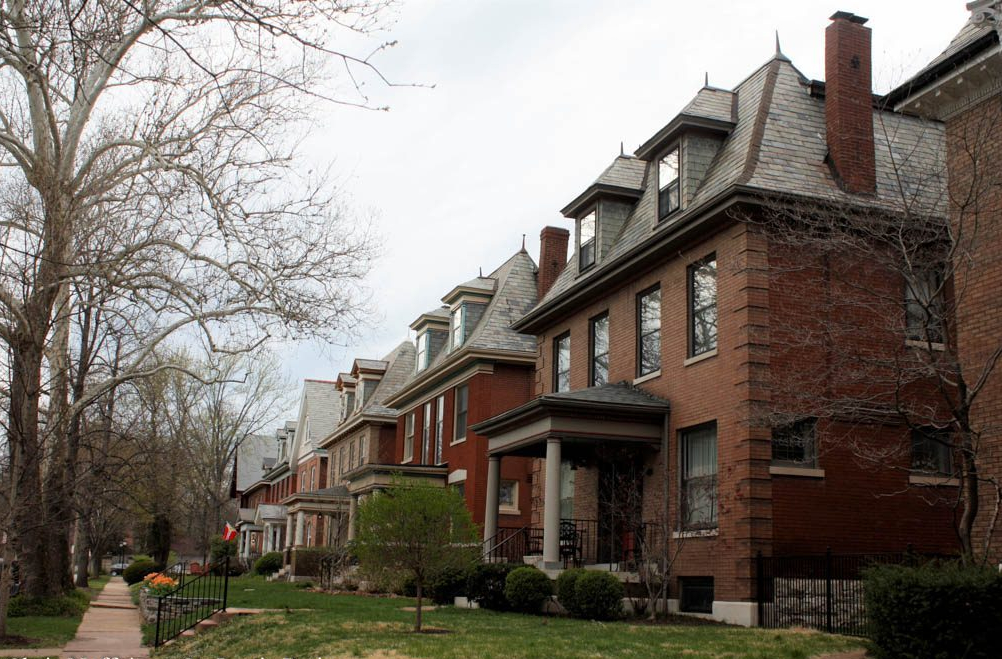
When we were done driving around and had our fill soaking up the grand architecture of this charming community, we decided to skip dinner and head home. We were still full from lunch. We also had a three hour ride back and I did not want to do that after a long day of site seeing.
On the ride home the big city quickly gave way to a landscape of barren corn fields stretching out under a wide blue sky. We did not talk much but then we did not need to. We were still thinking about our urban adventure, the amazing art we saw, the jokes we laughed at and the good food we eat together.

It seemed we both wanted to make that time in St. Louis last as long as we could.
Everyday holds something incredible, we just have to look for it.
Post Cards From The Archipelago – Glass and Light #3
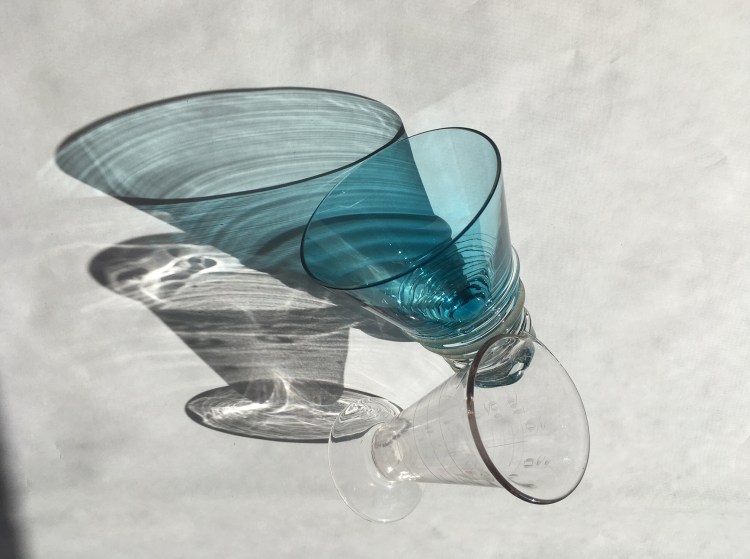
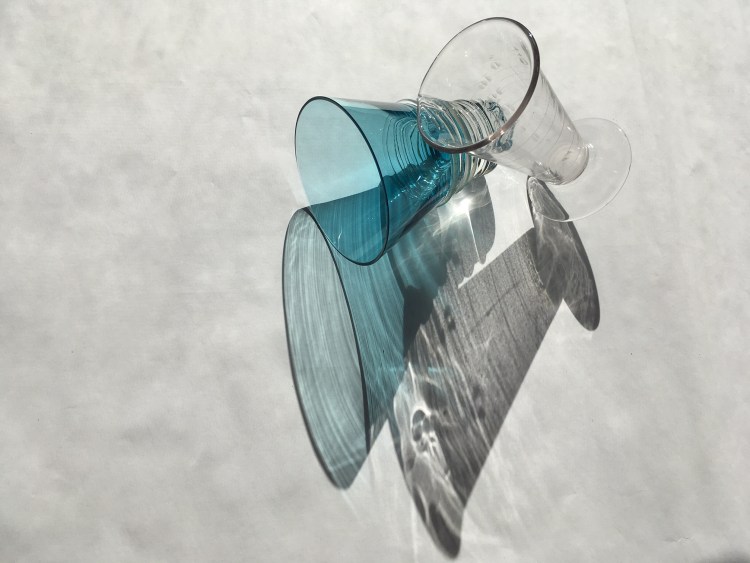
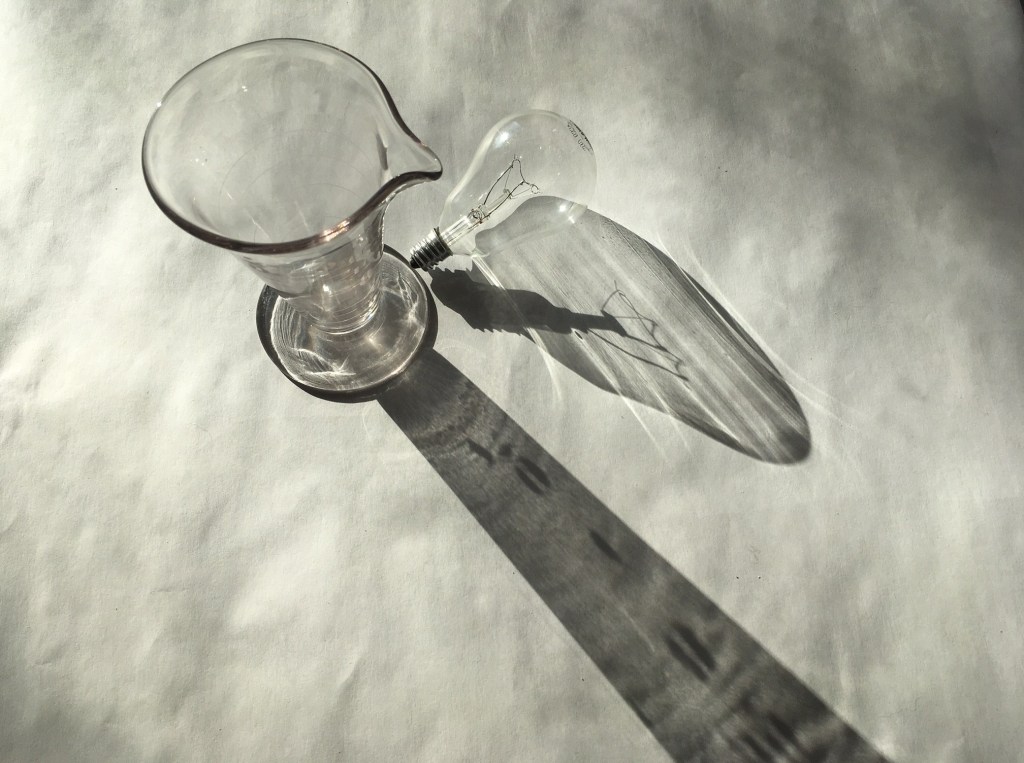
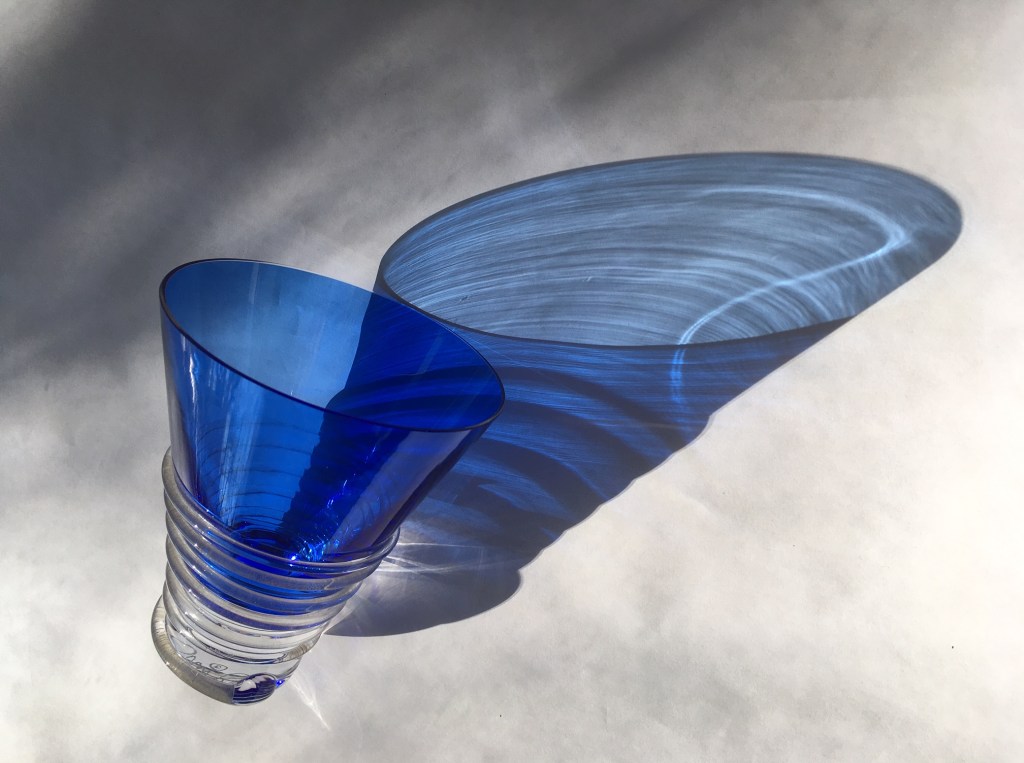
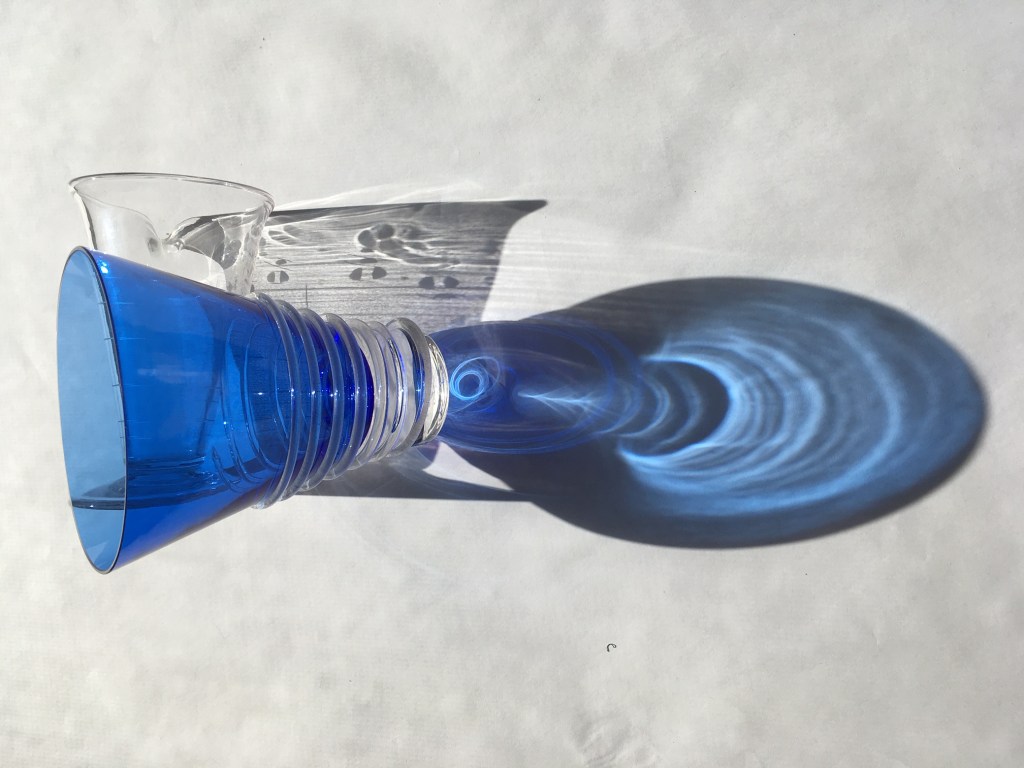
Post Cards From The Archipelago – Glass and Light #3
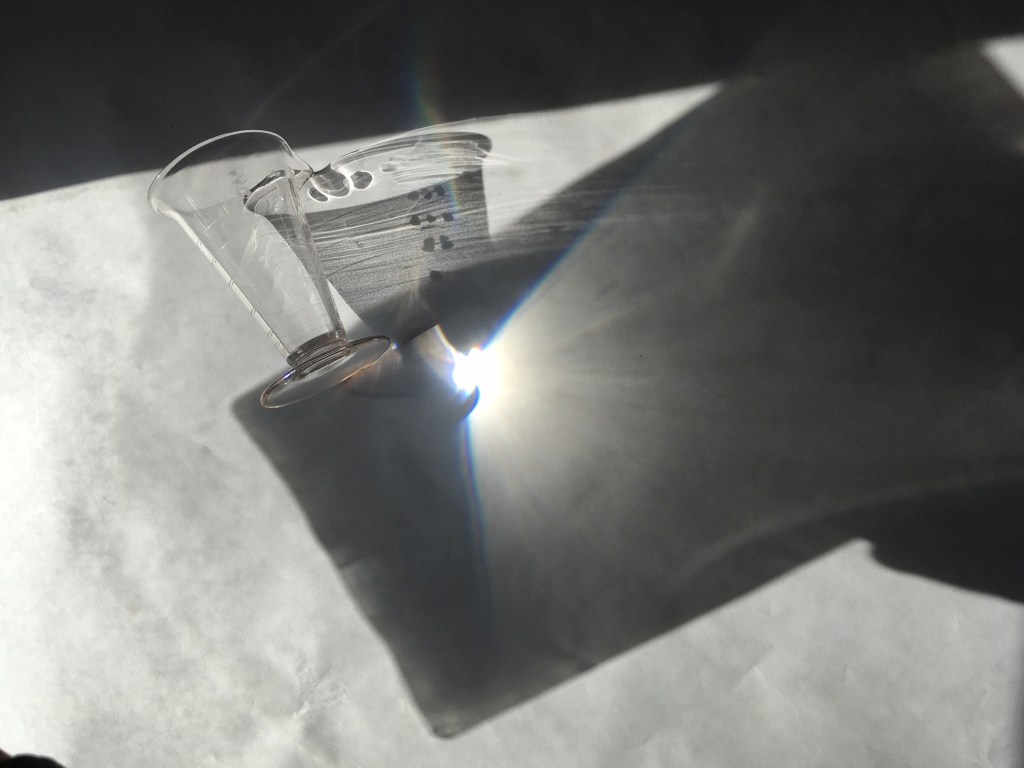
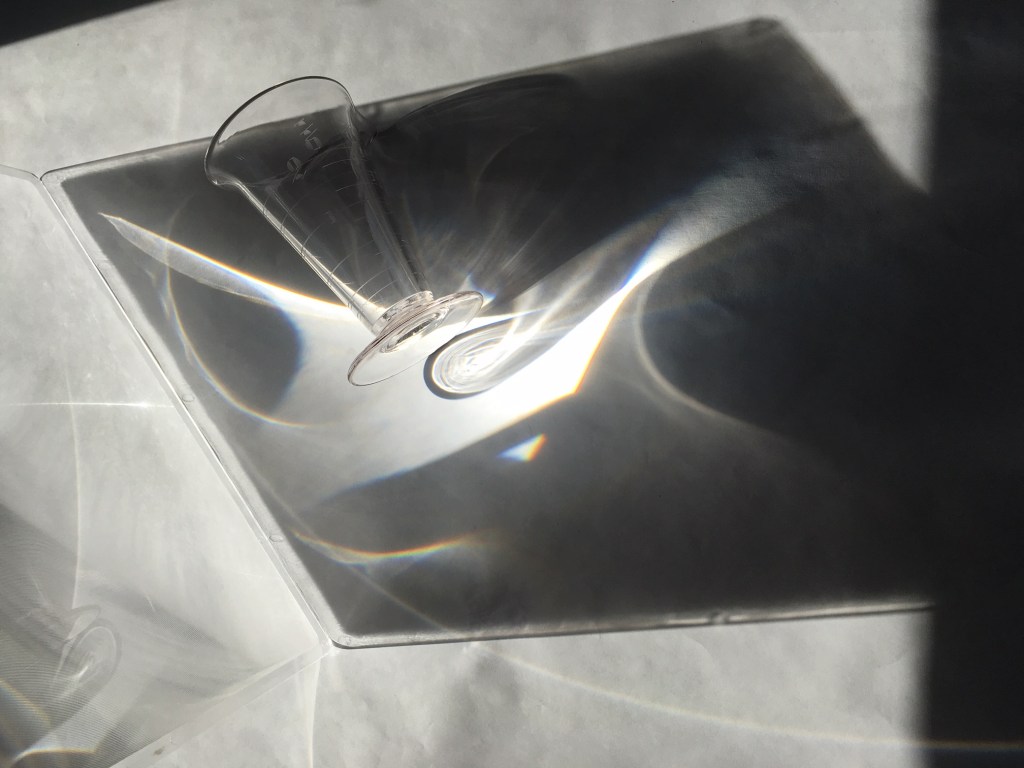
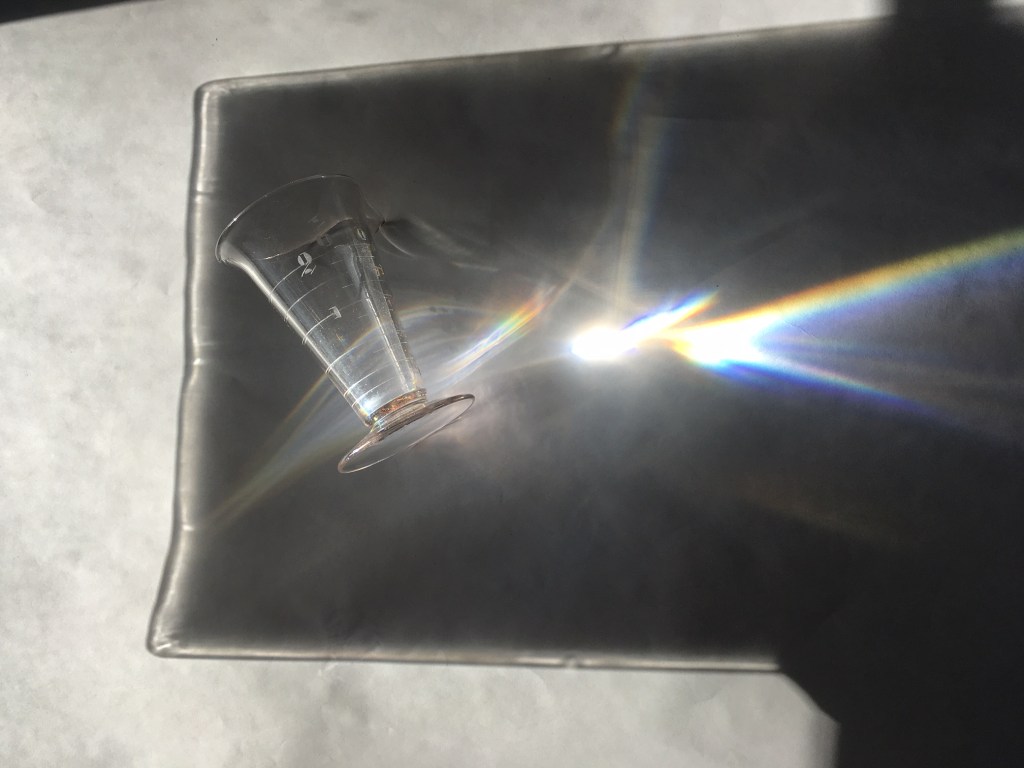

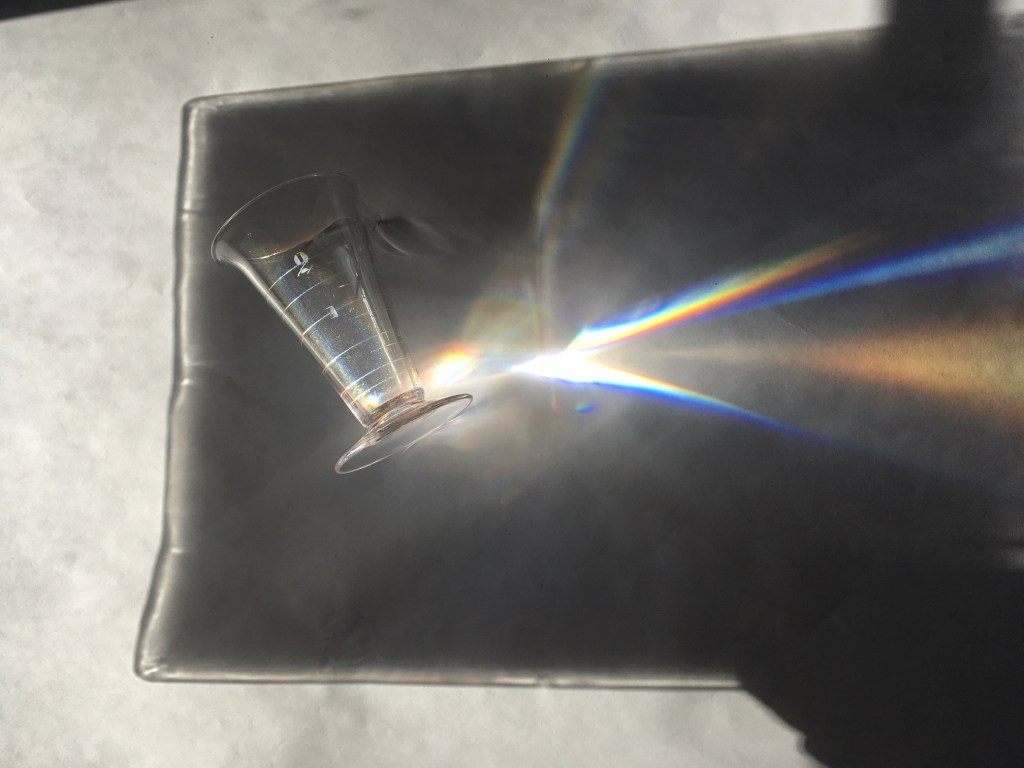
A Thanksgiving Celebration through American Stamps
But first, a significant document from our founding as a nation.


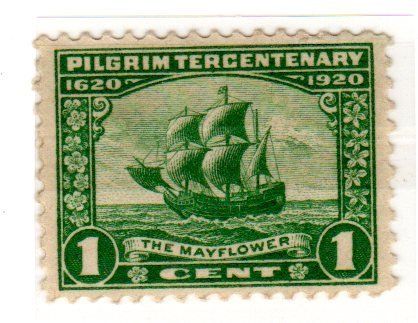


Happy Thanksgiving and thank you for visiting.
The New Pioneer Spirit
An acquaintance owns a store in a high crime neighborhood on the Archipelago island of Decatur.
He immigrated to America from the middle east looking for economic opportunity and a better quality of life. He is not so different from Decatur’s original settlers of the early eighteen hundreds. Though he does not live in a log cabins of his own construction, the wooden building his business is housed in is almost as old as those original cabins.
I call him an entrepreneurial pioneer for another reason too. It can be tough enough to run your own business when the neighborhood is generally safe. But you need the old fashion pioneer’s spirit when surrounded with the heightened crime issues of his location.
A few years ago, he opened up his store in the morning and stepped into the scene at the beginning of this video below.
During the night, while they were closed, a vehicle ran into the side of the building those merchandisers refrigerators are located on.
He realized this when he stepped up to the glass doors and saw daylight streaming into the walk-in behind them, through a very large whole in the wall of the store.
If you listen carefully to the audio, other cars are passing by the store during the accident.
As far as I know the driver was never apprehended and the insurance company never fully compensated him for the damage. Fixing that hole was a very big expense for them to pay for.
It has been three years since that incident and he is still there operating his store. Every so often I drive by and I see some improvement to the property. Recent projects include a new roll down security door and new black top and striping in the small parking lot.
The big hole in the building is gone but not forgotten. The new siding from the repair job, which does not match the older siding around it, will mark that unfortunate event for years to come.
It also marks his determination not to give up on his dream to have a better life in America.
It is a testament to the fact that what he has now is better then what he had in the past and he embraces that and continually works to improve it.
Even in the land of opportunity, he realizes that there is no replacement for positive determination and honest work built on hope in a brighter future.
My relatives that immigrated from Italy had that same view of their new home. They too believed that what they had in America was better then what most had in the world and they were quick to defend it.
In these turbulent times we should be too. We should sing it’s praises, thank God for it’s founding principles and work to build it up.
There are many groups that don’t sing the praises of this nation and don’t embrace our system; a system that offers plenty of opportunities for those who are willing to pursue them. Their goal, their daily struggle, is to tear down what we have built as citizens of this country.
If we believe those that would tear it down what could they replace it with that is better for all?
Five thousand years of civilization has given few, if any, examples of a governmental system that can provide so much opportunity and personal liberty to so many.
As a nation, we must continue the work of the founders to secure our individual liberties, our economic prosperity and our national security. For over two hundred years the founding documents have allowed us to do that. Building on the principle found in those documents will serve us well for another two hundred years and beyond.
Happy Thanksgiving and God bless America.

A Day In St. Louis

My daughter needed a break from her studying at university. After talking with her about it, we decided to take a day trip to St. Louis; just her and I. The St. Louis Art Museum, the building and the grounds as well as the collections, was the main attraction for our pocket- sized vacation.

A few years back we did a family trip there so this was our second visit. We both agreed it ranks high on our list of favorites.
When I stepped in side I was greeted with the mysterious echo of voices rising and falling through the spacious central hall. They had a wonderfully mystical quality and I stood there for a minute just taking it in.
We knew from our past trip that our level of enjoyment for this museum was comparable to the The Art Institute of Chicago and The Metropolitan Museum of Art in Manhattan; two institutions we use as standards by which all other art institutions we visit are compared to.


The size and depth of what is on display cannot compare to these other behemoths but visiting every room will definitely occupy your entire afternoon and you won’t be disappointed. (The St. Louis has 34,000 objects catalogued, Chicago has 1,000,000, New York, has 2,000,000.)
Being an avid reader of Roman History I would have been happy with more than just one room of antiquities. But the artifacts on display were perfectly preserved in every detail and matched the quality of any I had seen in the past.
These busts of unknown, but well-to-do citizens, date from the Imperial period.


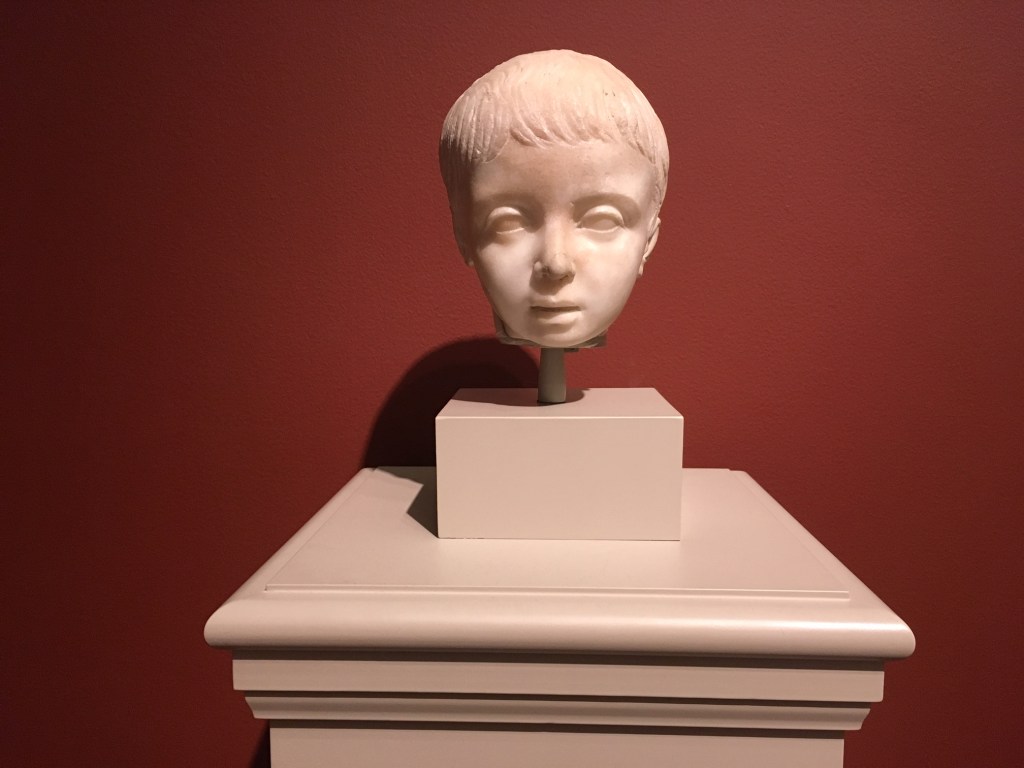
The examples of tableware were striking in the fact that they were well proportioned, especially the blue bowl. No aspect was exaggerated for the sake of originality. Any decoration was minimal, a relevant symbol of it’s purpose, and well integrated. There is a sense of practicality which in my reading of that culture, is at the very heart of it.
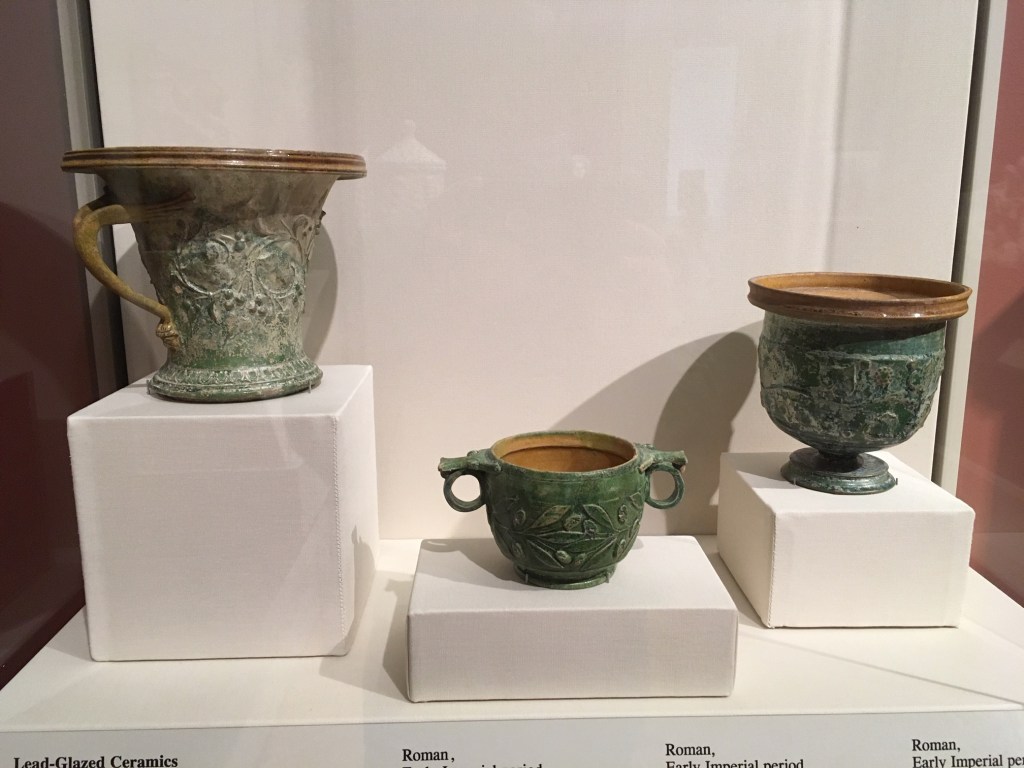
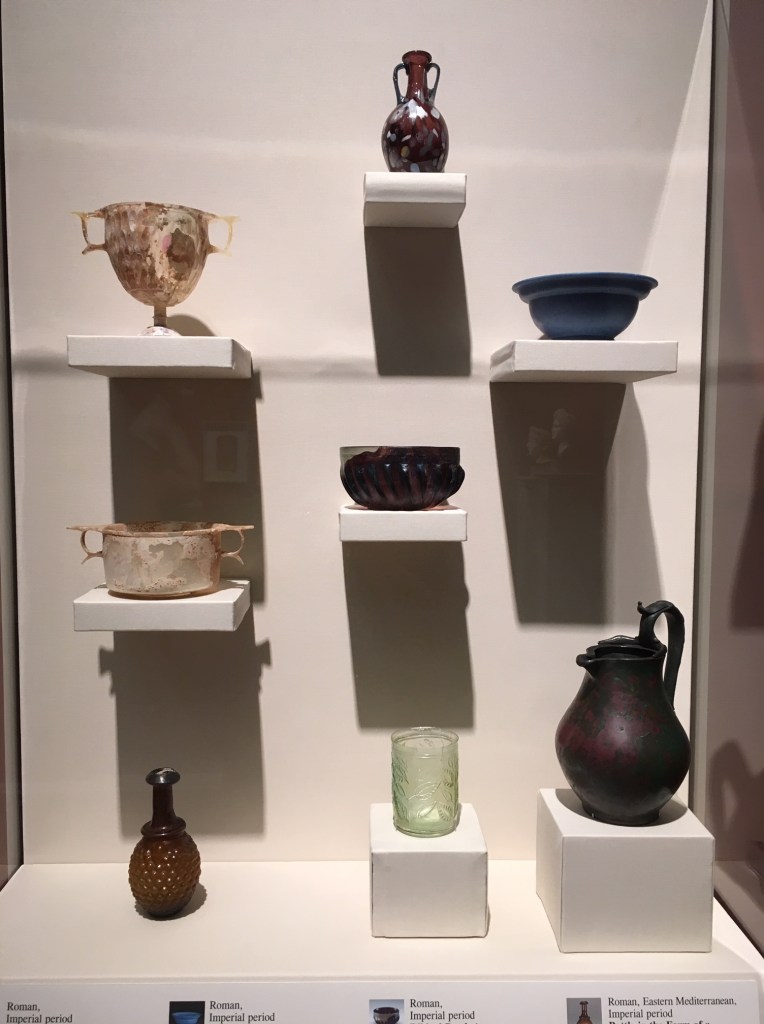
Below are Etruscan earrings dated from the fifth century BC. The level of detail and craftsmanship in this jewelry was impressive. I often think of ancient cultures as not being as sophisticated as modern cultures. But seeing all the objects in this exhibit, made thousands of years ago, had reminded me that aside from scientific, technological and economic understanding, and perhaps a few other ares of knowledge, this is not true.
I will say this, Etruscan women must have had strong ear lobes. Those are some big earrings! Evidently, women suffering in the name of fashion is nothing new.
There were modern cultural artifacts, which were a part of the main exhibition – Storm of Progress German Art After 1800. Included were several examples from the Bauhaus design school: form follows function. A combination of useful form bordering on minimalism but incorporates a visual aesthetic based on geometric forms.
Even though the design of these items and the Roman items were separated by two thousand years of history they had definite commonalities.
The design genius of the Romans and the Bauhaus really shone in the three dimensional objects they made. The consumer goods in both exhibitions were so modern in design and construction as to be interchangeable without noticing the difference in the era. There is a repeat of practicality here.
The same can be said for things outside of these exhibitions – architecture. Compare Bauhaus headquarters building and Emperor Vespasian’s Collusion. They both exemplify the same ethos of form follows function. Also, their is no mistaking who built each of them.
The Bauhaus designers, much like the Romans, achieved their greatest artistic success with practical objects put to everyday use.


The building that houses the collections is an art object in it’s own right.

It was designed by the historically prominent architect Cass Gilbert, who also designed the Woolworth building in down town Manhattan, the United States Supreme Court Building in Washington DC, and the state of Minnesota’s state capital building, among other notable morphological master pieces.
Cass sited the ancient baths of Caracalla in Rome as his design inspiration. The original purpose of this building was to house exhibitions for the 1904 Worlds Fair. The museum was relocated there when the fair was finished.
This visit was a much needed invigoration for our souls and we found we had the same outlook on art. It is a search for perfection by the artist, as well as the viewer. This notion of perfection is embodied in all things pleasing to the mind: in a word – beauty.
Rebecca’s notion of beauty is based on natural forms, landscapes, human form, and animal forms, with little deviation.
I am of the same mind and also find man-made and industrial forms beautiful as well – urban buildings, factories, warehouses, and machines. The geometry of these images, as well as the psychological and cultural implications are intriguing to me.
Oddly enough, we both have reservations about abstract art. We can appreciate it for what it is, the artist’s intent or social messaging but are not naturally drawn to it.
Beauty in the classical sense may not have been captured in every painting but the perfection of the artists vision seemed to be. Each room held a different way of thinking about that vision, each painting a different interpretation of that vision.

I made an immediate and deep connection with so many of these paintings. It was like realizing a profound truth in each one. This inspired me to find this kind of inspiration everyday, wherever I am in whatever I am doing. That is living life to the fullest for me.

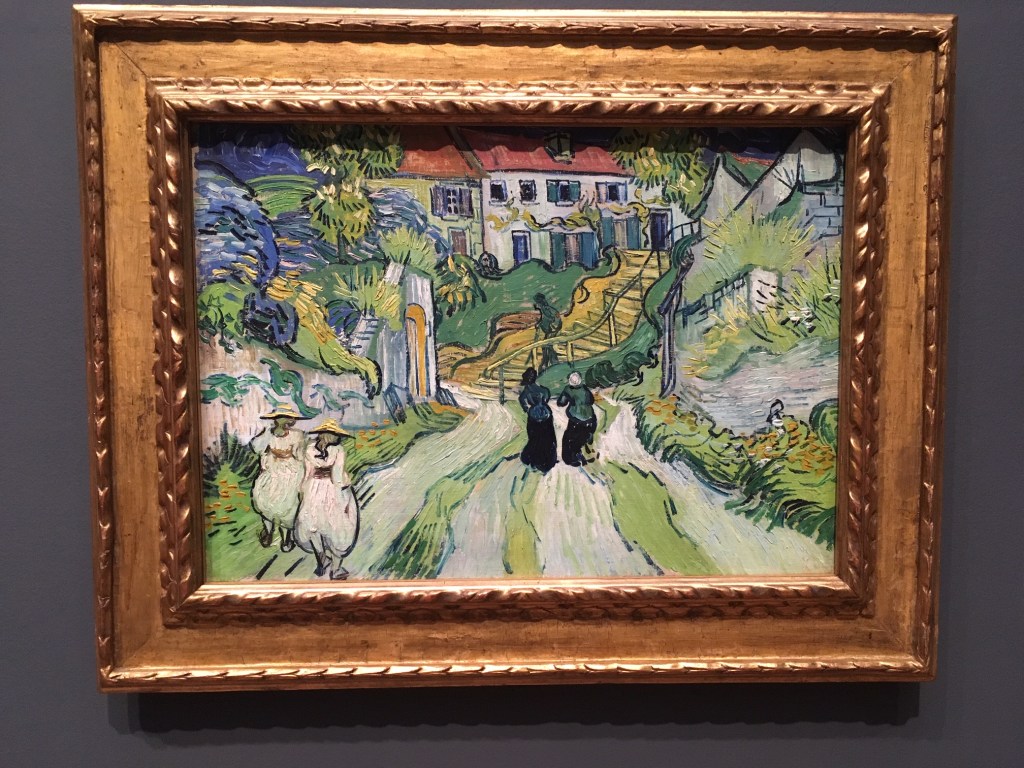
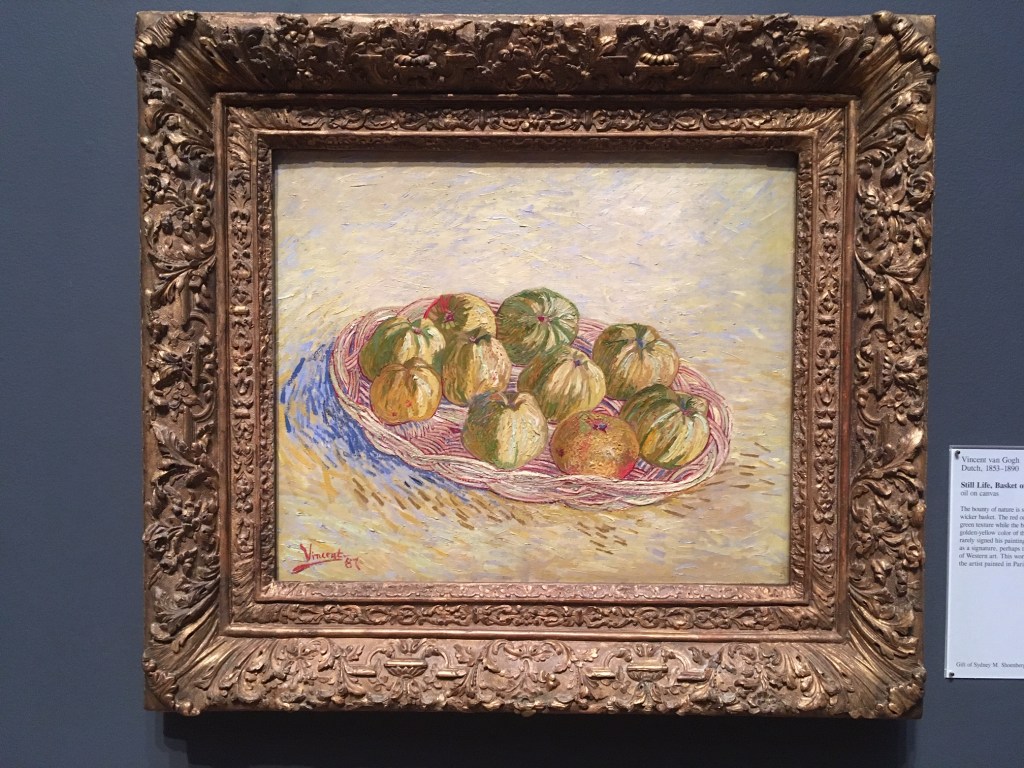
Great art is a gift from one soul to another.
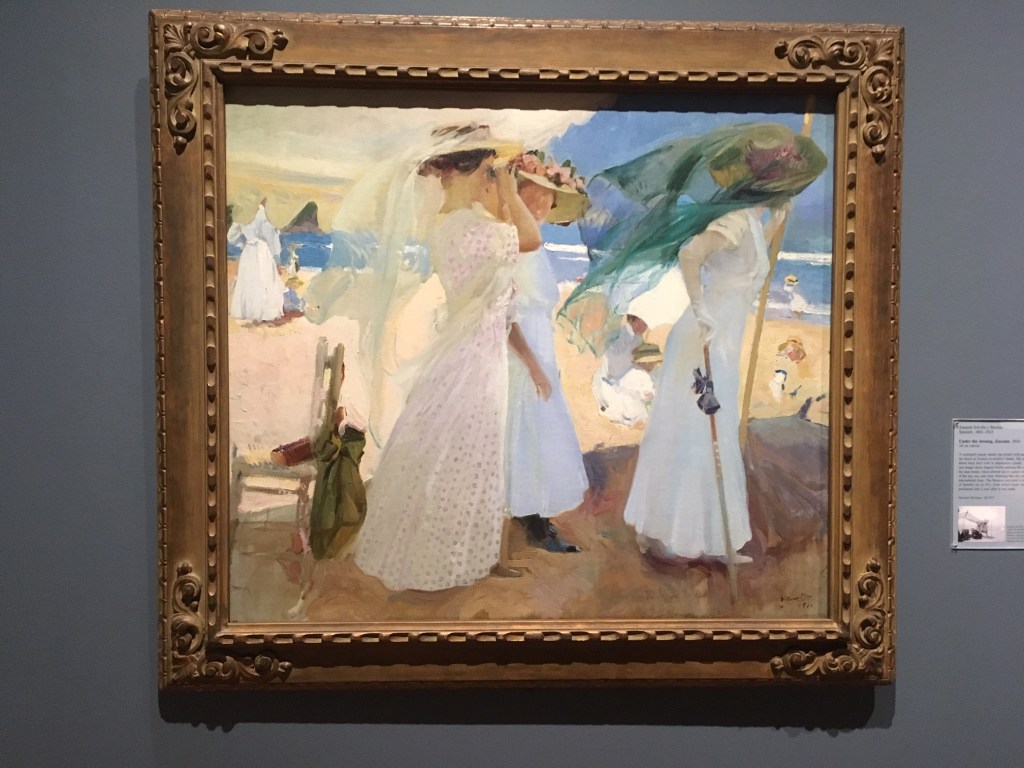
Hours later, when we finally left, we agreed that the spiritual and intellectual invigoration we experienced in our visit was a much needed blessing and we were grateful for it.
That was part one of our excursion to the big city.
Part 2 continues with our time at the Missouri Botanical Gardens.
Post Cards From The Archipelago – Glass and Light #2
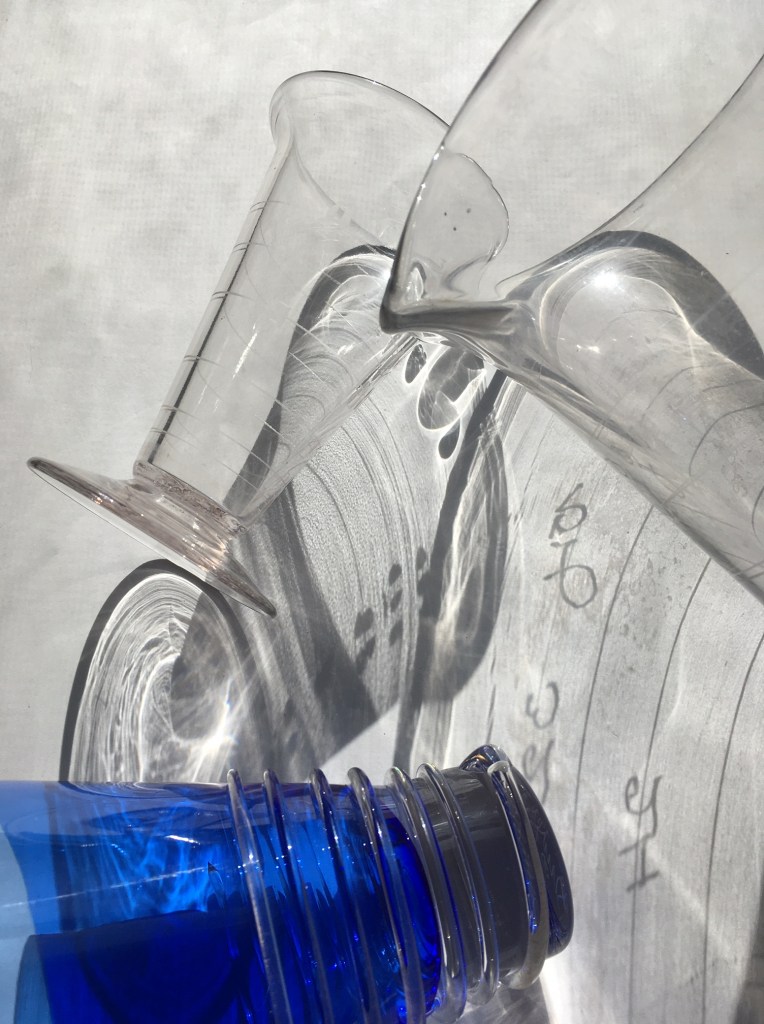


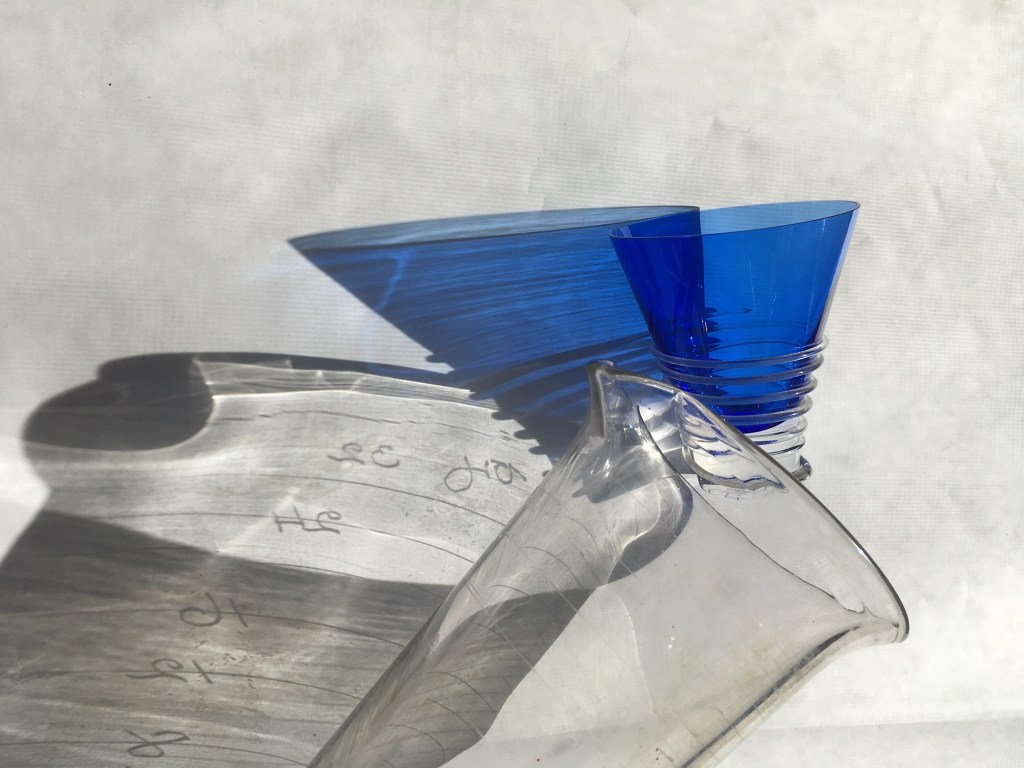
Aurora Borealis
On my way past the dinning room table the midday sun was shining on the curtains. It had a neat celestial look to it which reminded me of the Northern Lights in fast motion. I decided to capture the moment on my Iphone and share it with you.
 Prairie Beacon